How the Liturgical Calendar Orders the Christian Year: A Sustained Spiritual…
The liturgical calendar is the church’s year unfolded: a cycle of seasons and feasts that orders worship, Scripture reading, and communal memory. It connects the principal times of Christ—Advent, Christmas, Epiphany, Lent, Holy Week, Easter, Pentecost—and the long period often called Ordinary Time with the sanctoral rhythm of saints’ days and fixed feasts.
Summary: The church year distributes movable and fixed celebrations, assigns liturgical colors and ranks, and forms a recurrent pedagogy shaping communal life and devotion.
Reader preview: This article explains how the temporal cycle of Christ and the sanctoral cycle of saints work together, how movable and fixed feasts differ, and why the calendar functions as a teaching rhythm for Christian communities.
WHAT THE LITURGICAL YEAR MARKS
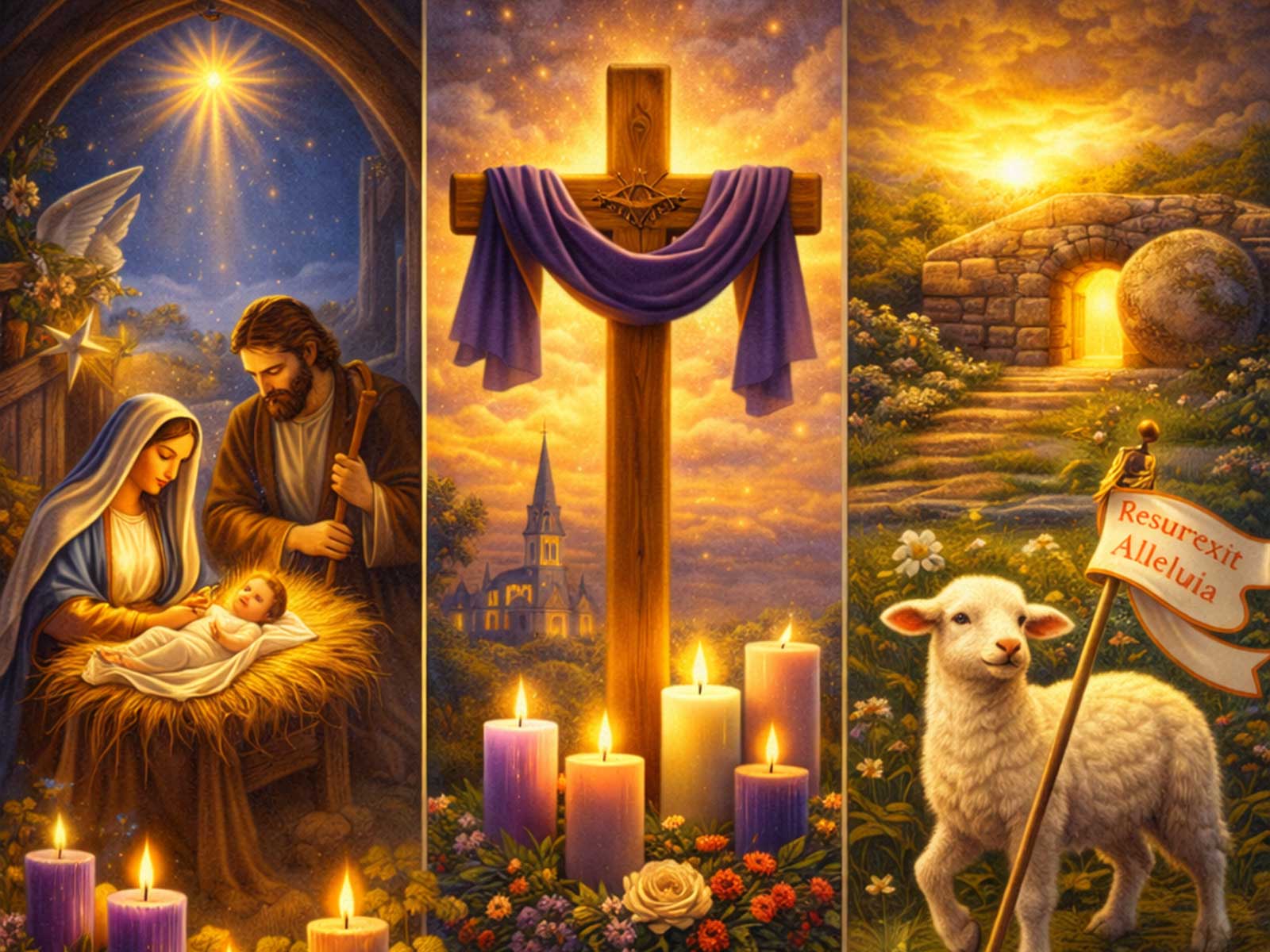
The liturgical year marks central events of salvation history and their ongoing meaning for the church. Major seasons—Advent, Christmas, Epiphany, Lent, Holy Week, Easter, and Pentecost—are focused on the life, death, resurrection, and sending of Christ. These seasons are complemented by Ordinary Time, which covers the rest of the year and supports ongoing formation in Christian discipleship.
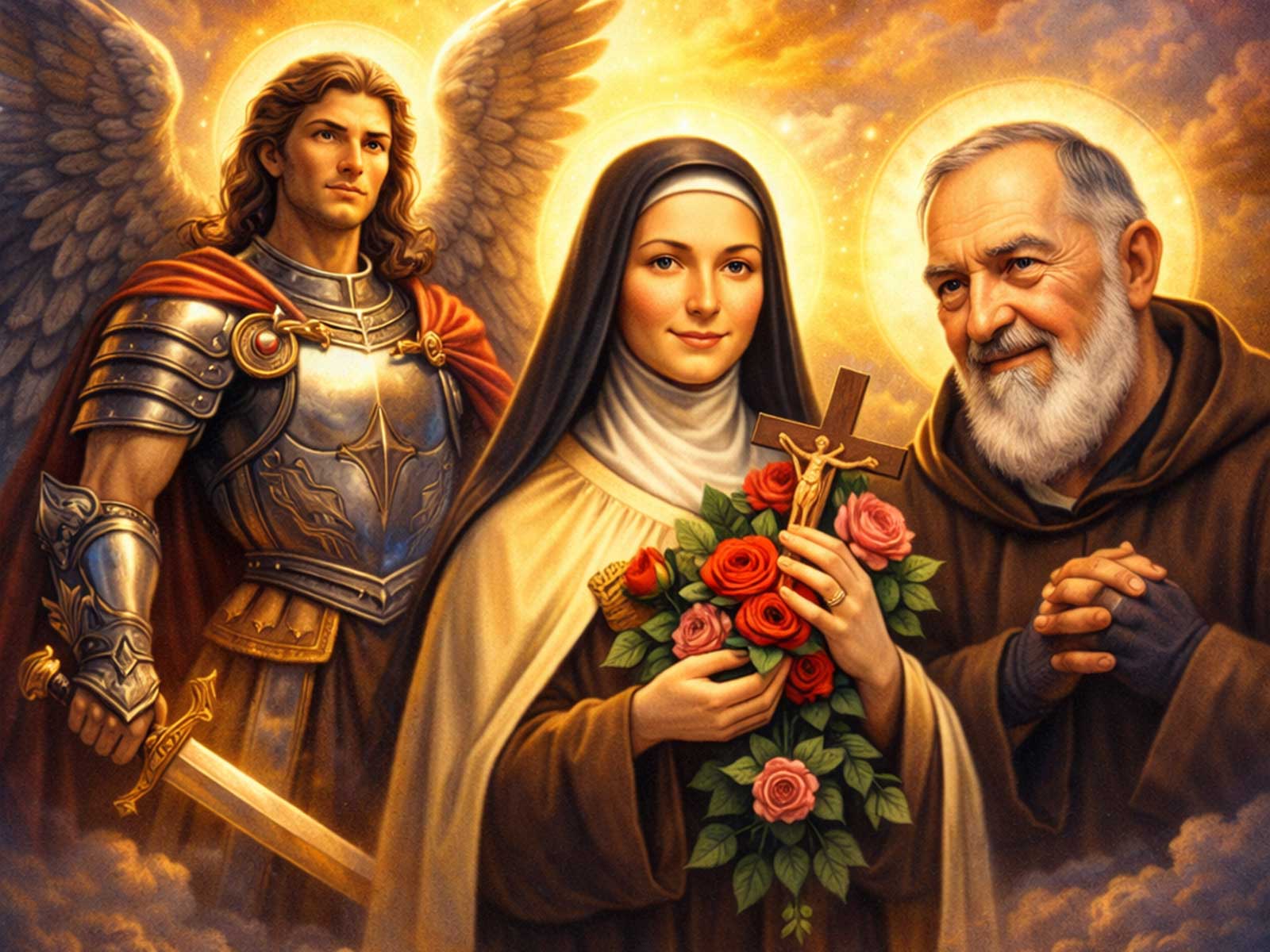
Alongside these temporal seasons, the sanctoral cycle records fixed memorials and feasts for saints and other important days. Together, the temporal and sanctoral cycles ensure that the church’s memory is both Christ-centred and enriched by the witness of holy men and women.
WHERE MOVABLE AND FIXED FEASTS SIT IN THE YEAR
A key structural feature of the calendar is the distinction between movable and fixed feasts. Movable feasts—most notably Easter and those celebrations tied to its date—change year to year. Fixed feasts, such as Christmas on December 25, occur on the same civil date each year. This blend gives the year a rhythm that repeats yet also renews each cycle.
HOW STRUCTURE IS PRESCRIBED AND ADAPTED
The General Norms for the Liturgical Year and the Calendar set out an authoritative structure and pastoral purpose for seasons, feasts, and the sanctoral cycle. National and local ordos then adapt these norms pastorally: episcopal conferences publish proper calendars that determine which celebrations and ranks apply in a given territory. This combination of universal norms and local implementation helps congregations to celebrate coherently while attending to regional needs.
SYMBOLS, COLOURS, AND LITURGICAL MEMORY
The calendar assigns liturgical colors and ranks to seasons and celebrations. Colors such as those used for Advent, Lent, Easter, and ordinary times convey theological and pastoral meanings and shape how worshippers encounter each moment. Ranks—distinguishing solemnities, feasts, and memorials—help to order priorities in public worship and ensure that central mysteries of the faith receive fitting attention.
HOW BELIEVERS EXPERIENCE IT IN PRACTICE: SCRIPTURE AND COMMUNAL RHYTHM
The liturgical year is didactic: it guides corporate reading of Scripture and shapes communal prayer. Lectionary cycles, commonly organised in three-year patterns for Sundays (Years A, B, and C in many Western churches), distribute biblical texts so congregations hear the breadth of Scripture over time. The calendar’s recurring seasons—times of preparation, fasting, celebration, and ordinary growth—form a pedagogical rhythm that supports spiritual formation across years.
ECUMENICAL SHAPE AND TRADITIONAL VARIATION
Most Western churches—Roman Catholic, Anglican/Episcopal, Lutheran, and many Protestant bodies—share the basic seasonal structure and common lectionary practice, even though details differ. Differences appear in which saints are commemorated, particular local feasts, and some pastoral emphases. The broad agreement in seasons and scripture cycles, however, means the liturgical calendar functions as a shared framework for Christian memory and worship across traditions.
HOW THE CALENDAR LIVES ON IN CHRISTIAN ART AND DECOR
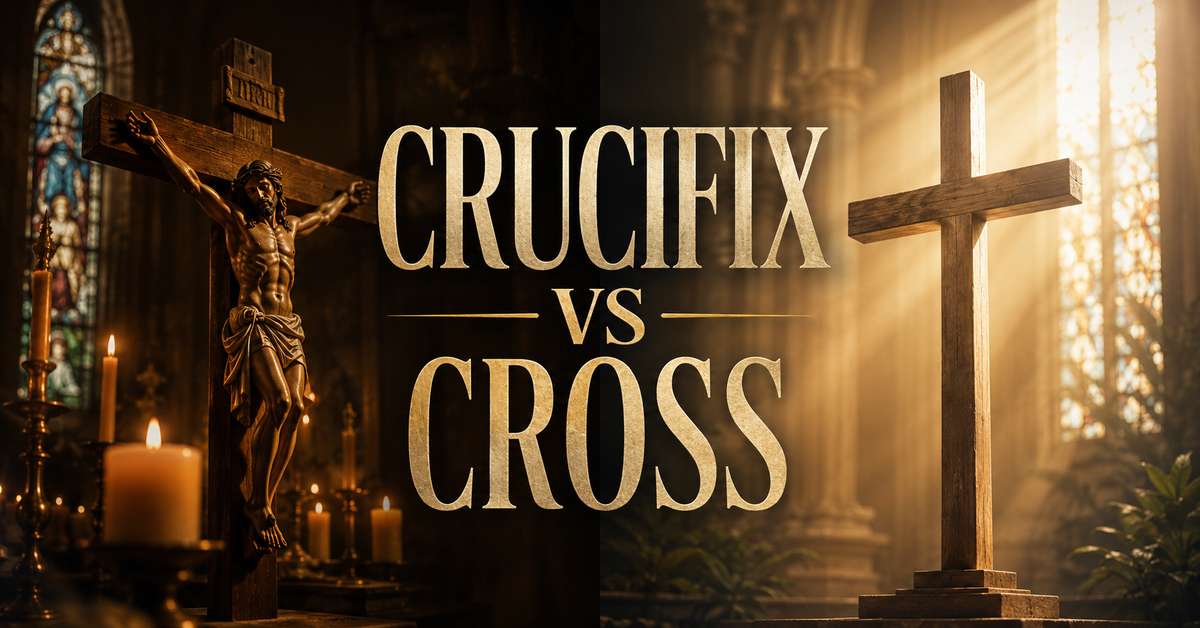
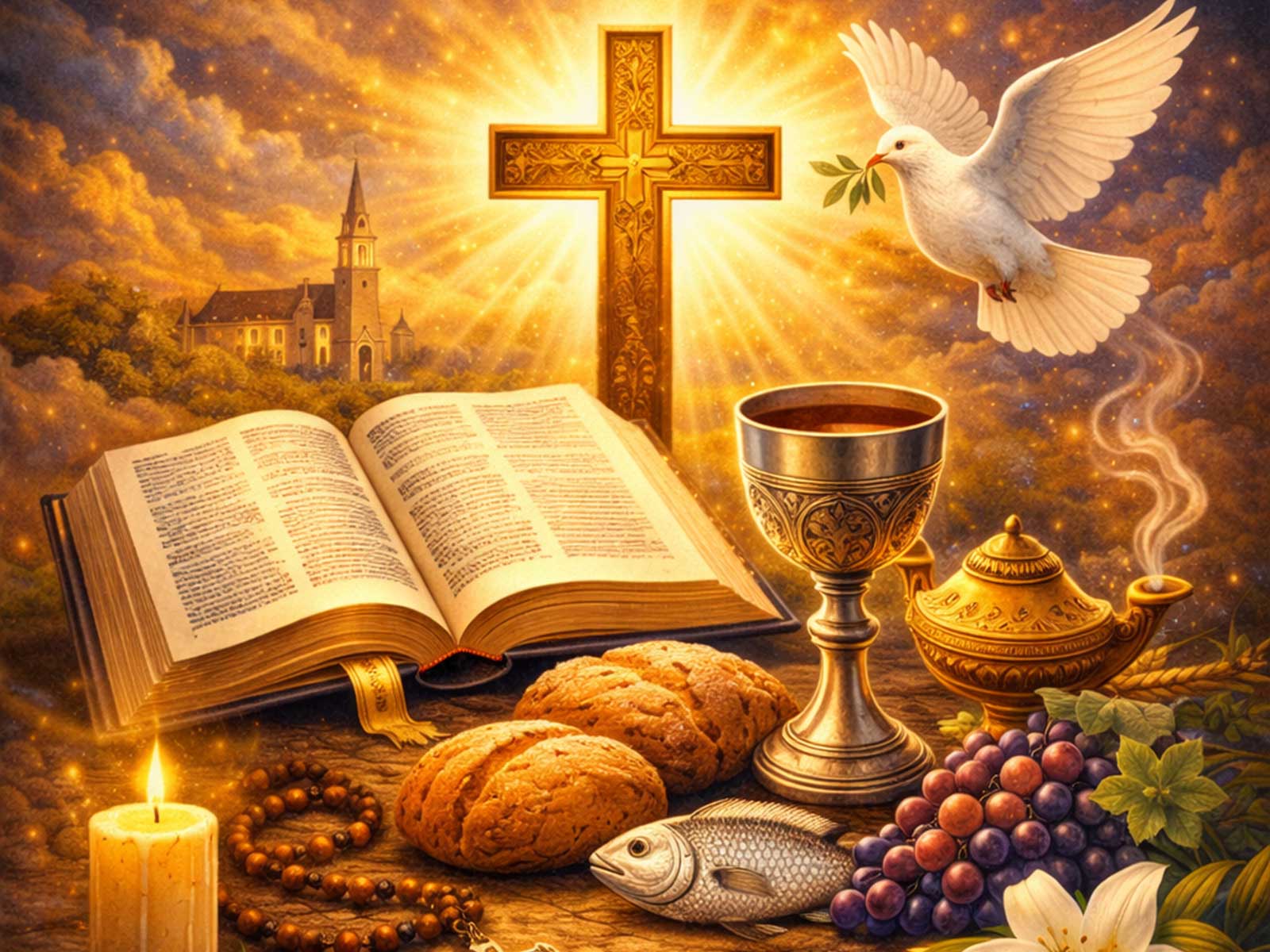
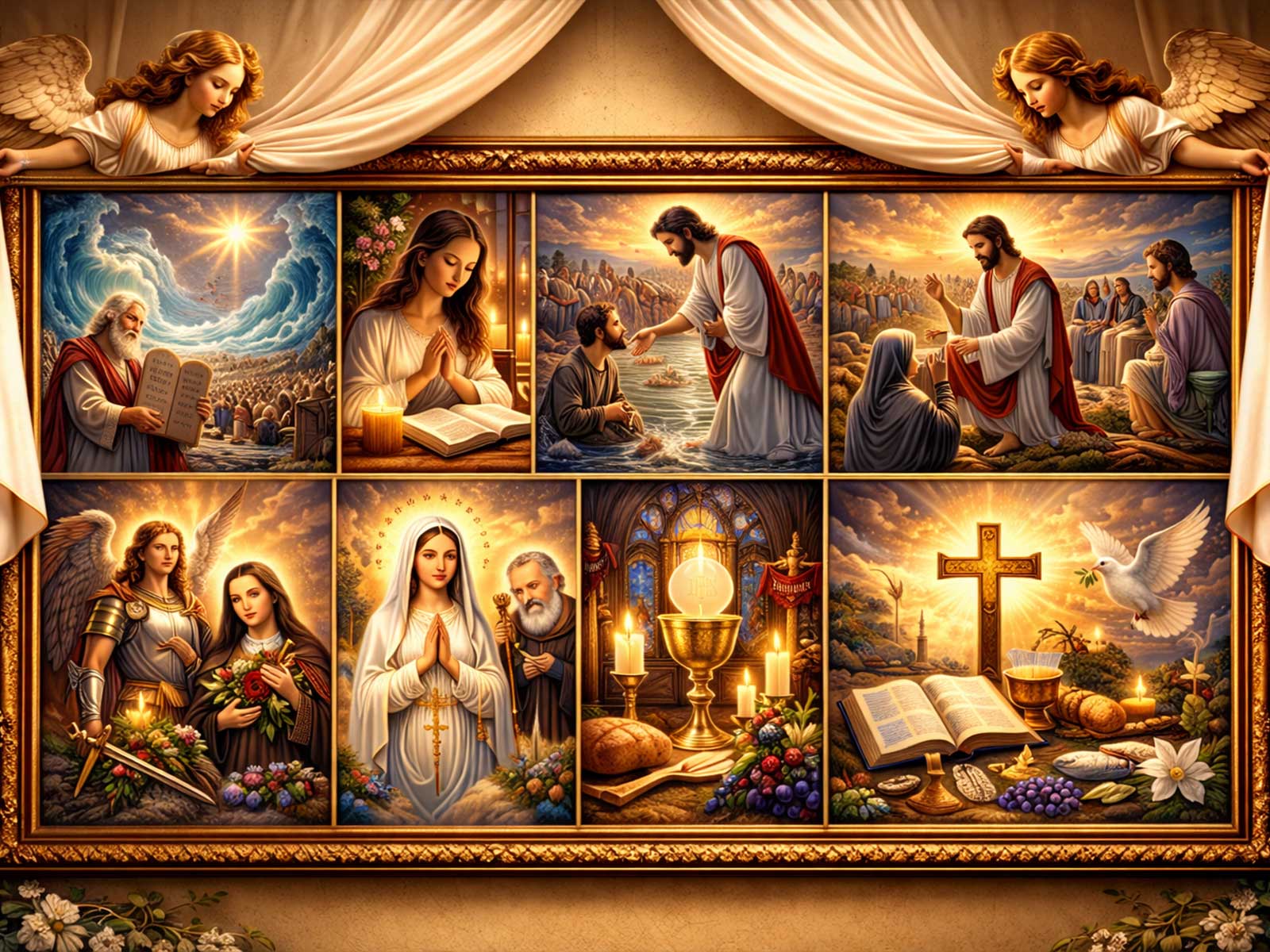
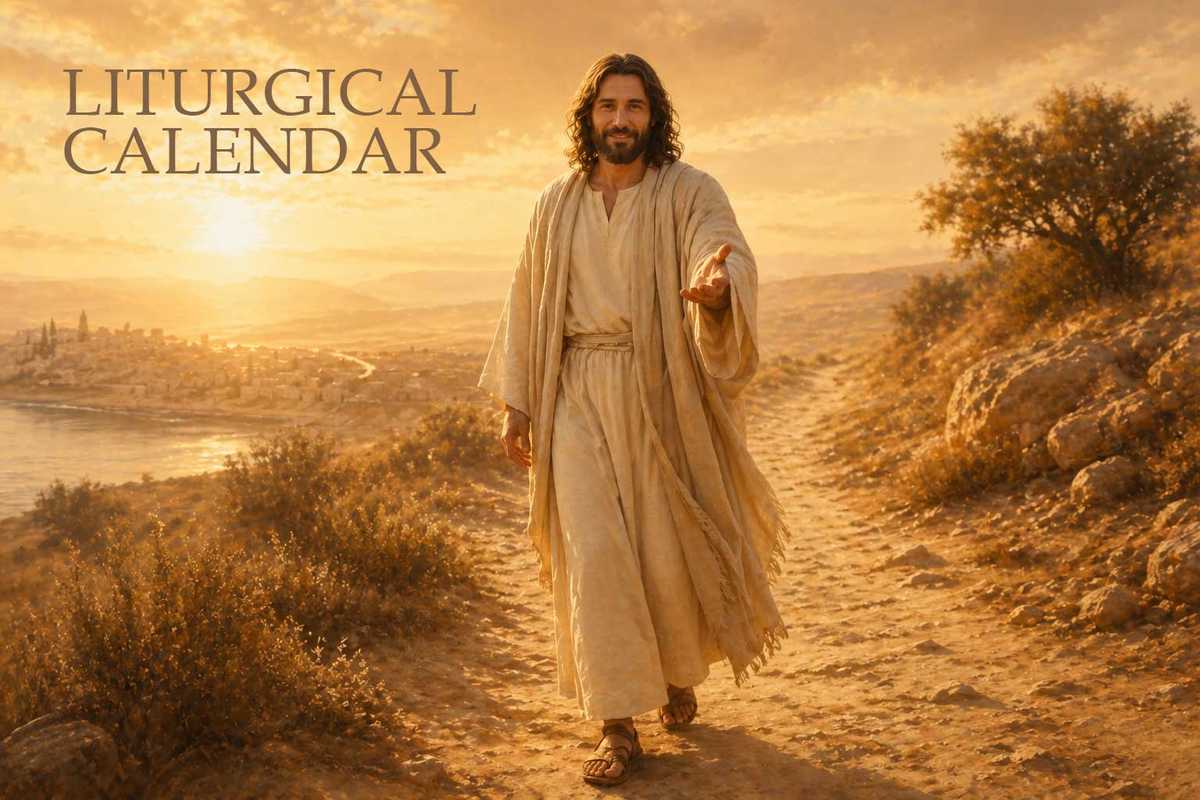
The calendar’s cycles influence art, church furnishings, and devotional objects: colors, icons, banners, and images are changed to mark seasons and feasts, helping congregations to enter the theological mood of the moment. This visible shaping of space supports the calendar’s pedagogical aim by creating tangible cues for prayer, recollection, and celebration.
A CALM FINAL REFLECTION
Seen together, the temporal cycle of Christ and the sanctoral calendar of saints form a sustained spiritual pedagogy. The liturgical year orders time so that Scripture is heard in patterns, core mysteries are repeatedly entered, and the memory of holy witnesses remains connected to Christ’s own life and work. By distinguishing movable and fixed feasts, assigning colors and ranks, and allowing local adaptation of universal norms, the calendar equips communities to remember, pray, and grow across seasons and years.
Author: