St Mary's Church: Why the Figure of the Virgin Mary Still Holds the Heart of…
When a parish is called St Mary's Church or a cathedral keeps a Lady chapel, it points to a long and widespread Christian practice: Mary as a distinct and enduring presence in communal worship, devotion, and church architecture. This article examines why Marian devotion remains central in many churches and communities, focusing on theological grounding, devotional practice, and the power of visual memory.
St Mary's dedications, Marian doctrines, liturgical encouragement, popular pieties, and artistic imagery together explain why the Virgin Mary remains a visible, maternal focal point across Christian communities.
Read on for a concise editorial account of Marian doctrine, liturgical guidance from Vatican texts, popular devotions, the role of Lady chapels and parish dedications, and how images serve as visual memory of faith.
Who Mary Is at the Core
The Catholic tradition, as represented in official Vatican teaching, situates Mary within the mystery of Christ and the Church. She is named Mother of God (Theotokos) and described as 'Mother of the Church' in magisterial texts. Those doctrinal designations shape how communities address and remember her: not as an independent divine figure, but as one whose identity is defined by relationship to Christ and to the Christian people.
Doctrinal Foundations That Shape Devotion
Certain Marian dogmas—affirmed at major moments in the Church's doctrinal history and summarized in catechetical sources—provide theological shape for veneration. These doctrines (for example, the title Mother of God and the dogmatic teachings later formalized in magisterial statements) create a framework in which veneration is understood as distinct from worship and placed in service of Christ-centred faith.
Liturgical and Pastoral Guidance from Vatican Teaching
Papal and magisterial writings encourage a variety of devotional attitudes toward Mary: veneration, invocation, imitation, service, and liturgical commemoration. Documents such as Marialis Cultus and Redemptoris Mater explain that legitimate Marian devotion should arise from the liturgy and lead the faithful toward Christ. The guidance stresses ordering devotion rightly so that Marian piety deepens, rather than distracts from, the central mysteries of Christian worship.
Popular Practices and Parish Life
Popular pieties and liturgical practices sustain Marian presence in everyday parish life. The Rosary, Marian feasts, consecrations, devotions to the Immaculate Heart, and the provision of lady chapels or side-altars keep Mary in the rhythm of communal prayer. These practices do more than honour memory; they provide structured ways for congregations to pray, to teach successive generations, and to express particular forms of intercession and devotion.
Dedications, Lady Chapels, and the Church's Landscape
Across regions and traditions, a very large number of churches and chapels are dedicated to Mary under titles such as St Mary or Our Lady. Lady chapels—small chapels within larger churches dedicated to Mary—are a common architectural and devotional feature in Catholic, Orthodox, Anglican, and some Lutheran contexts. These dedications mark physical and communal spaces where Marian devotion is concentrated and remembered.
Visual Memory: Marian Imagery in Churches
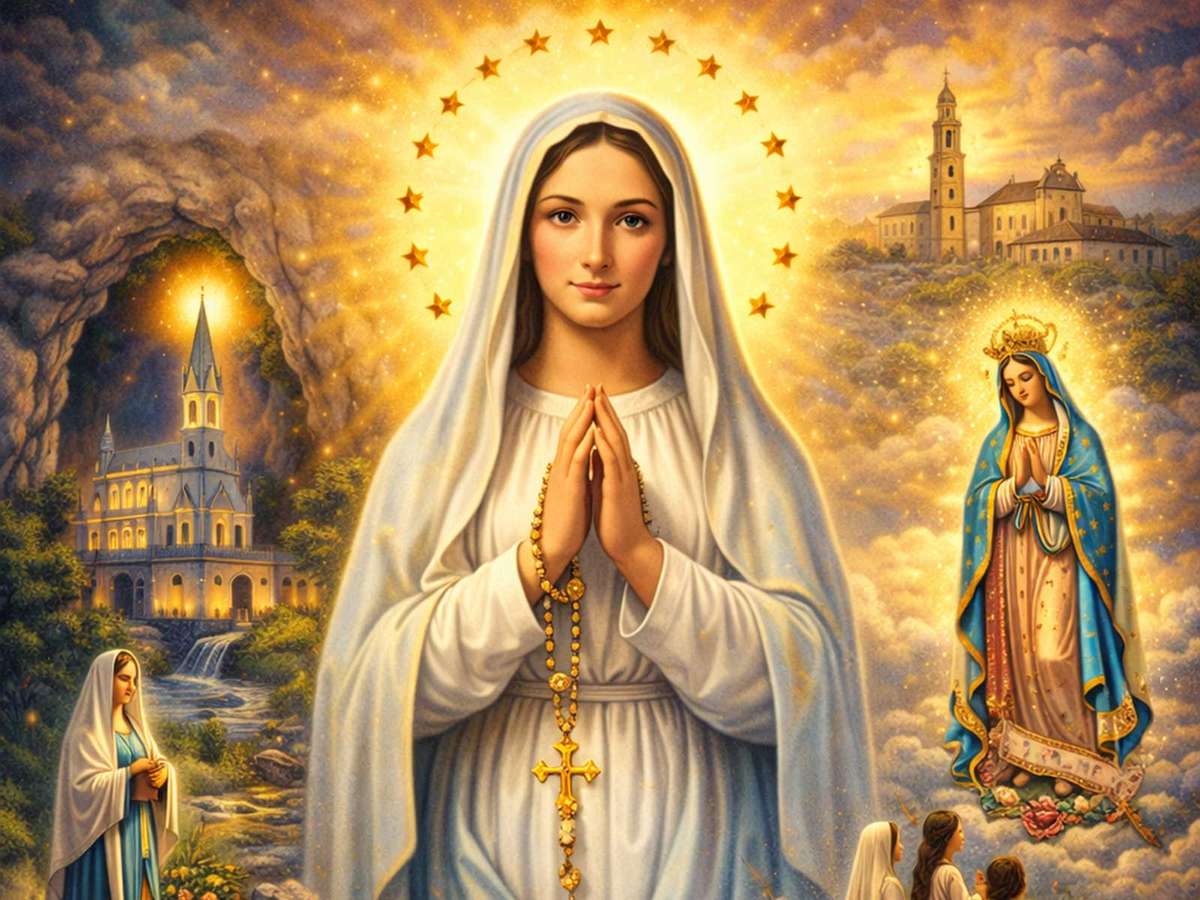
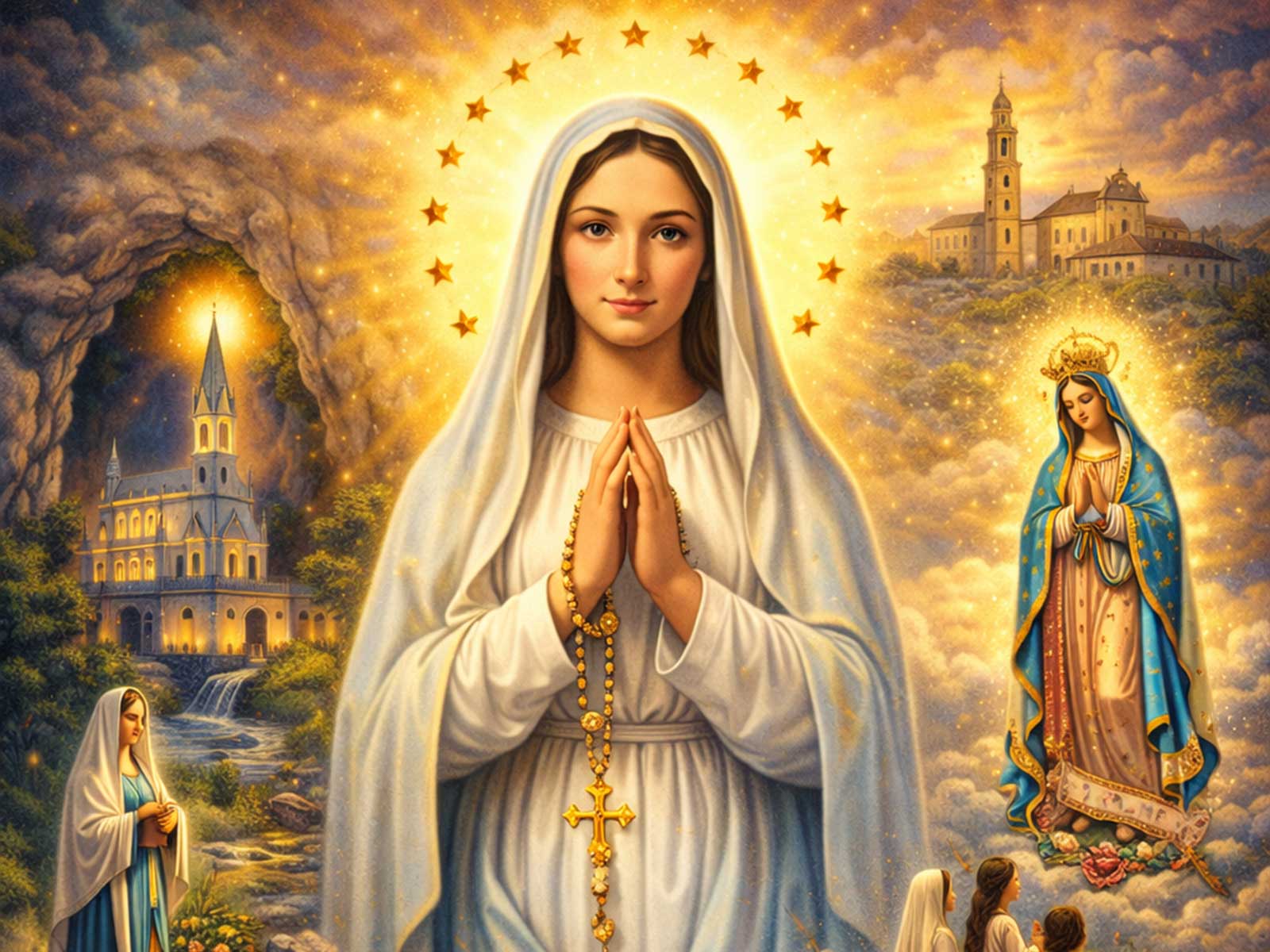
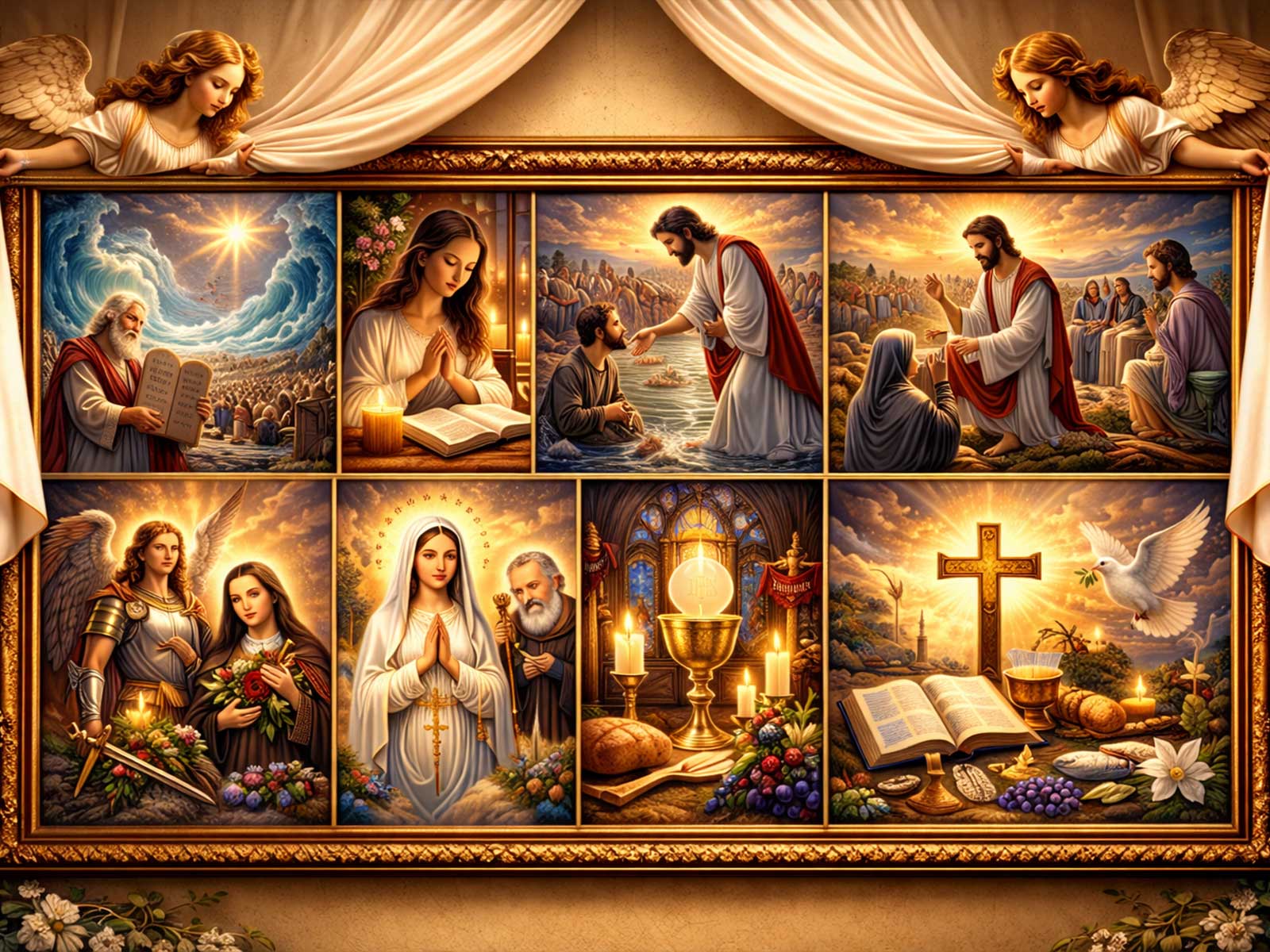
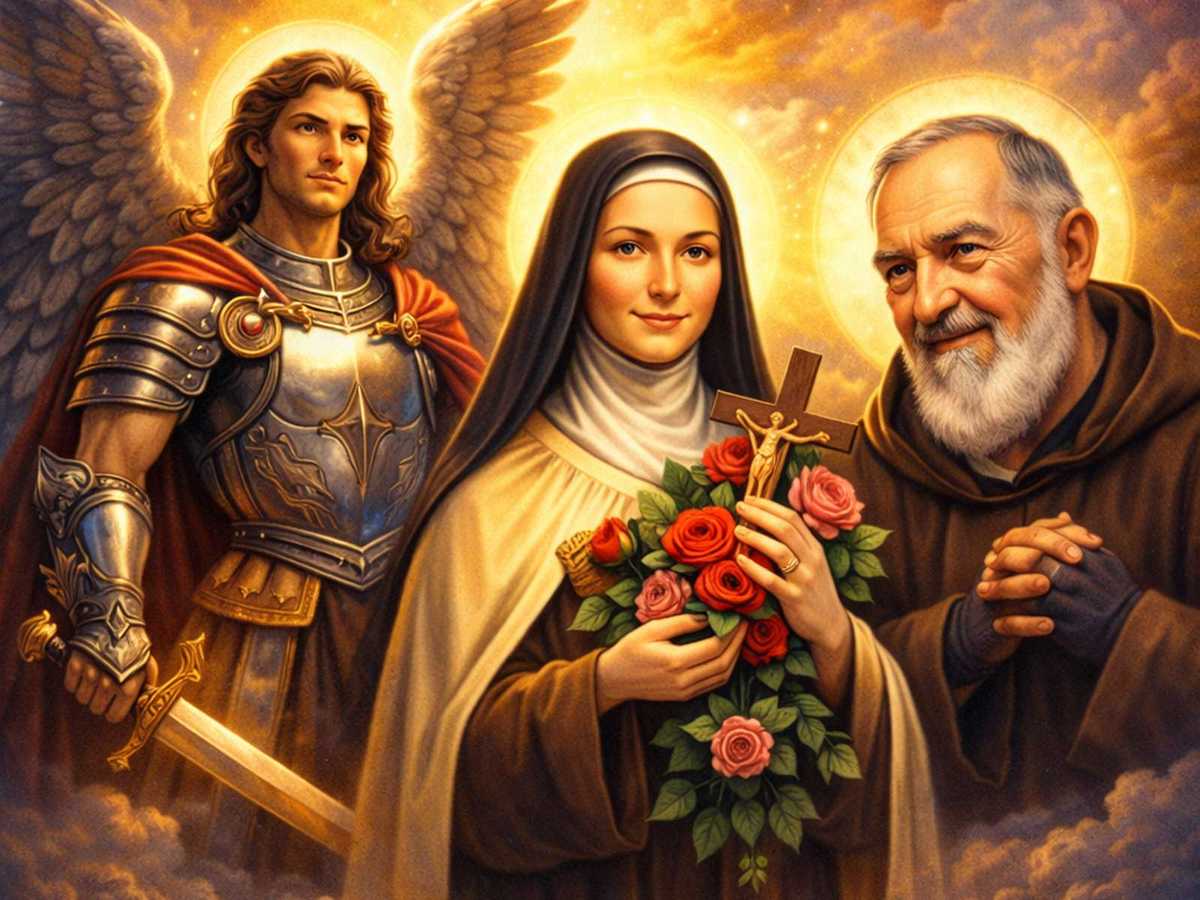
Marian art—paintings, statues, stained glass, and altarpieces—functions as a visual memory of faith. Official and scholarly overviews note that such images teach doctrine, offer comfort, and serve as focal points for prayer. The maternal symbolism in Marian imagery often fosters a sense of nearness and intercession, helping congregations to embody theological ideas in visual and liturgical practice.
Why People Still Turn to Mary Today
The combination of doctrinal definition, liturgical encouragement, popular devotion, and visible art explains Mary’s ongoing presence. Doctrine supplies theological legitimacy and clarity; magisterial texts offer pastoral discipline so devotion remains Christ-centred; popular practices weave Marian prayer into parish life; and art and dedications provide a stable visual language that helps communities remember and express their faith across generations.
Concluding Reflection
In a parish named St Mary's Church, the title is not merely traditional ornament: it points to a layered practice in which theology, liturgy, popular devotion, and visual culture converge. Vatican teachings affirm Mary’s place within salvation history while guiding devotion toward Christ, and centuries of church building and art have made that theological placement visible and accessible to worshippers. That is why the figure of the Virgin Mary continues to occupy a central, recognisable place in so many churches and communities.
Image folder: st_mary's_church_2