All Saints' Day: Remembering the Communion of Saints and Christian Hope
All Saints' Day, celebrated on November 1 in the Western liturgical calendar, honours all the saints — both known and unknown. Far from being primarily a day to memorialize death, this solemnity celebrates the victory of eternal life and the holiness of those already in heaven.
All Saints' Day celebrates saints in heaven, recalls the communion of saints, and stands distinct from All Souls' Day (November 2), which focuses on prayers for the faithful departed.
This article explains what All Saints' Day marks, where it sits in the Christian year, its symbols and liturgical signs, how believers observe it, and why it continues to offer hope.
WHAT THIS FEAST MARKS
All Saints' Day is a celebration of holiness and eternal life. The feast honours all saints — those officially recognised and those unknown to us — emphasising their participation in the victory of eternal life rather than focusing primarily on death. It names a Christian conviction: holiness in Christ is real and shared across the visible and invisible Church.
WHERE IT SITS IN THE CHRISTIAN YEAR
In the Western (Roman) liturgical calendar, All Saints' Day is observed on November 1. Historically, the Western Church fixed this date in the early Middle Ages; a decision in the ninth century extended a November 1 observance across the Church, building on earlier veneration of martyrs and holy men and women.
COMMUNION OF SAINTS AND LITURGICAL DISTINCTION
The feast explicitly recalls the doctrine of the communion of saints: the spiritual solidarity that unites the faithful on earth, the souls undergoing purification, and the blessed in heaven. This doctrine is taught in the Catechism of the Catholic Church and undergirds the theological framing of the celebration.
All Saints' Day is liturgically distinct from All Souls' Day on November 2. While November 1 celebrates the saints in heaven and the Church’s unity across heaven and earth, November 2 focuses on prayer and remembrance for the faithful departed.
SYMBOLS, COLOURS, AND LITURGICAL MEMORY
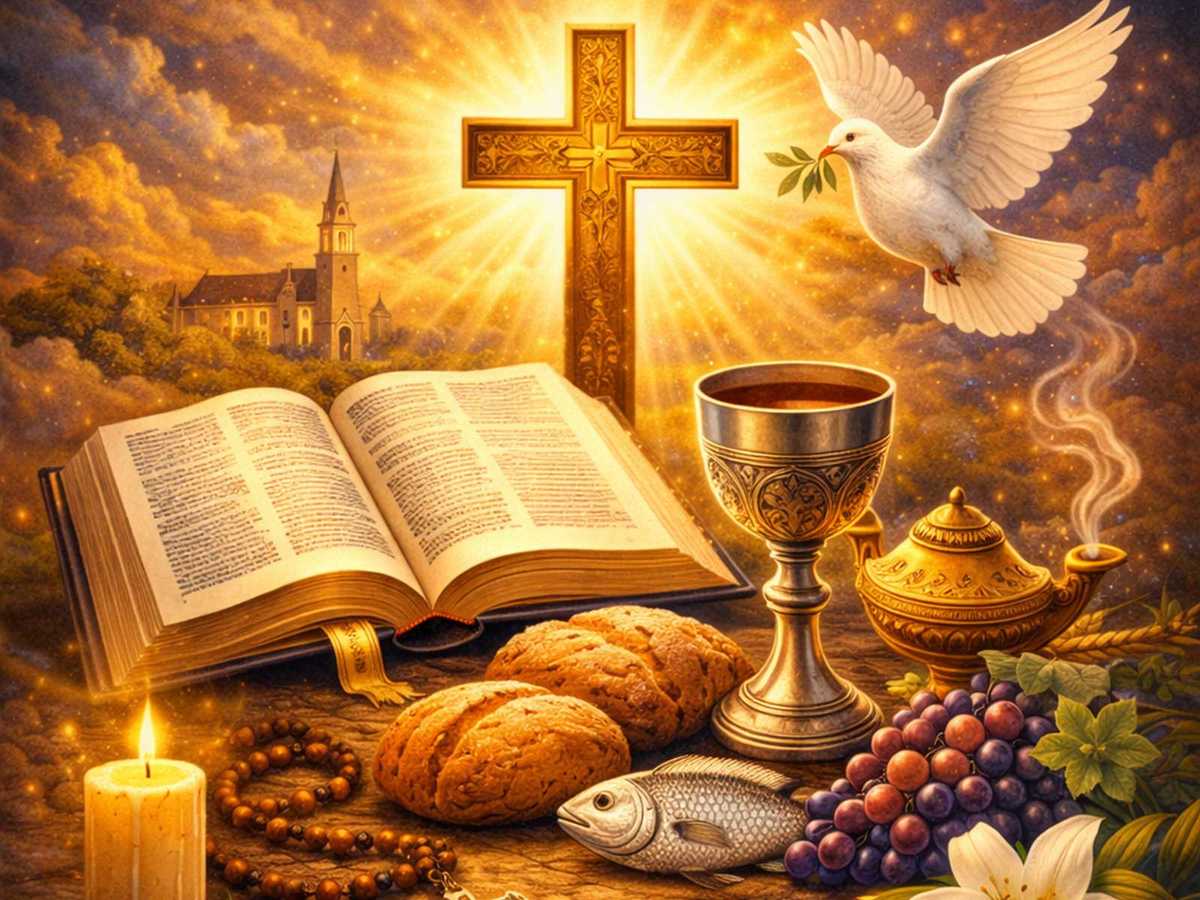
Liturgical signs associated with All Saints include the use of the colour white, which symbolizes victory and life. Readings and prayers for the day emphasise hope, holiness, and the Church’s unity. These signs shape how communities mark the feast liturgically and devotionally.
HOW BELIEVERS EXPERIENCE IT IN PRACTICE
Worship on All Saints' Day often centres on Eucharistic celebration, scripture readings, and prayers that lift up the example and intercession of the saints. Pastoral resources and liturgical guides help local communities prepare liturgies that highlight the feast’s themes of holiness and eternal life.
SCRIPTURE, PRAYER, AND COMMUNAL RHYTHM
The texts chosen for the feast point to the Christian hope in Christ's victory over death and to the call to holiness. Prayer in this season affirms the Church’s continuity across time and the relational bond between those on earth and the company of heaven. Allhallowtide, the triduum from October 31 to November 2, often frames these days together in liturgical and devotional practice.
WHY THIS MOMENT STILL FEELS MEANINGFUL
All Saints' Day offers a perspective that transcends mourning alone. By celebrating those who share in God’s life, the feast opens believers to consolation and hope. It invites Christians to remember that holiness is not remote but a communal reality that shapes prayer, memory, and aspiration.
HOW THE FEAST LIVES ON IN CHRISTIAN ART AND DECOR
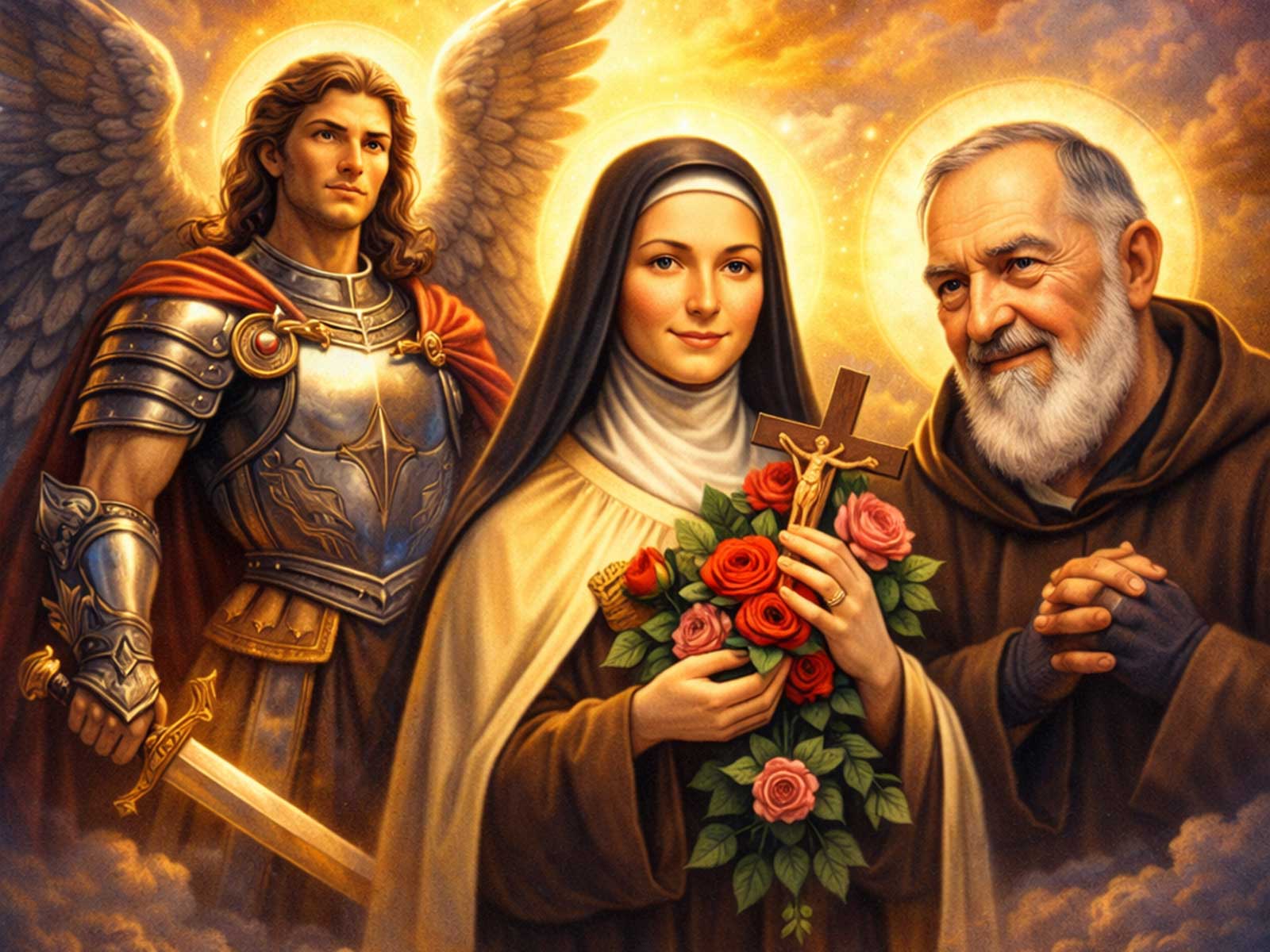
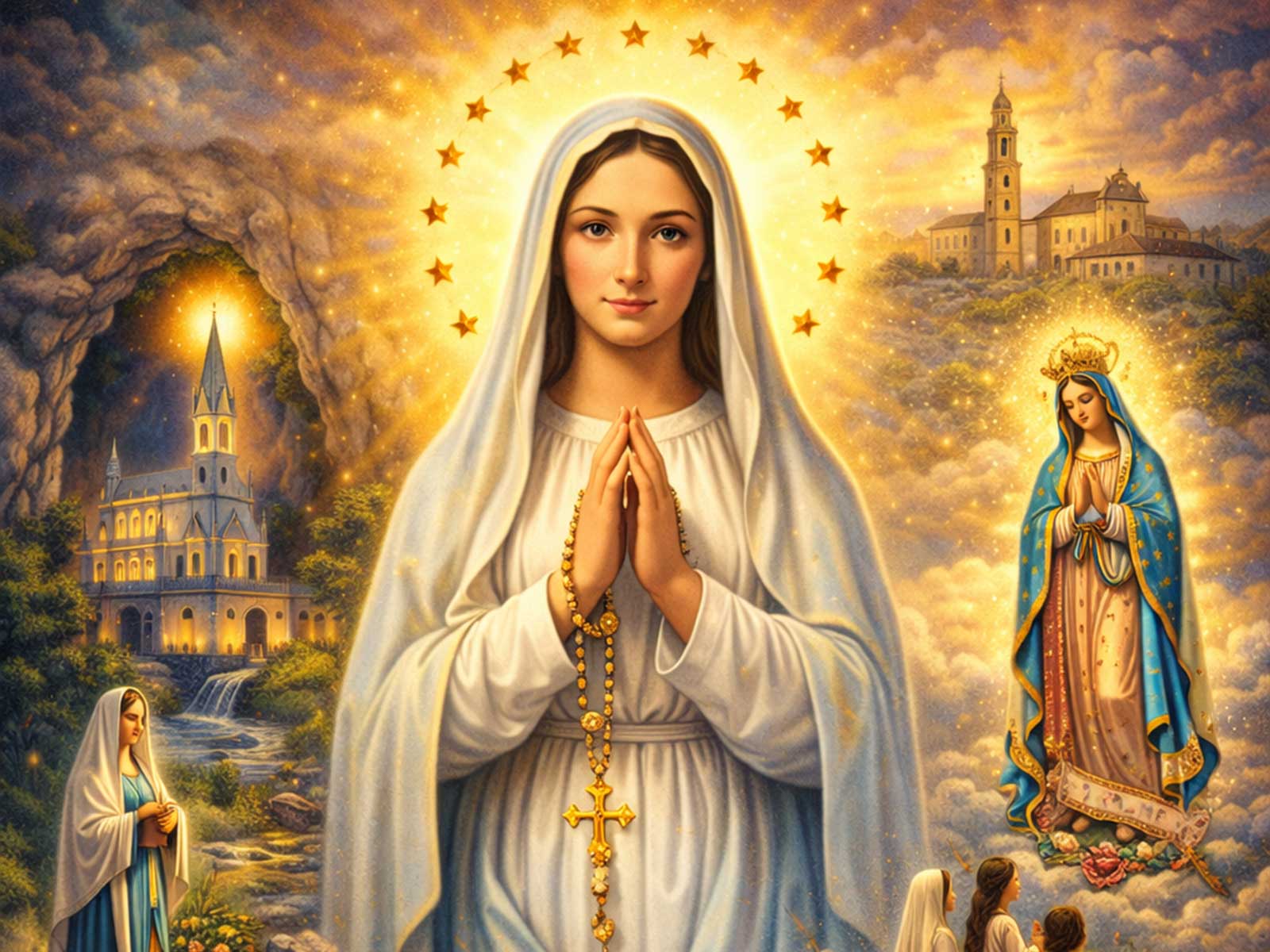
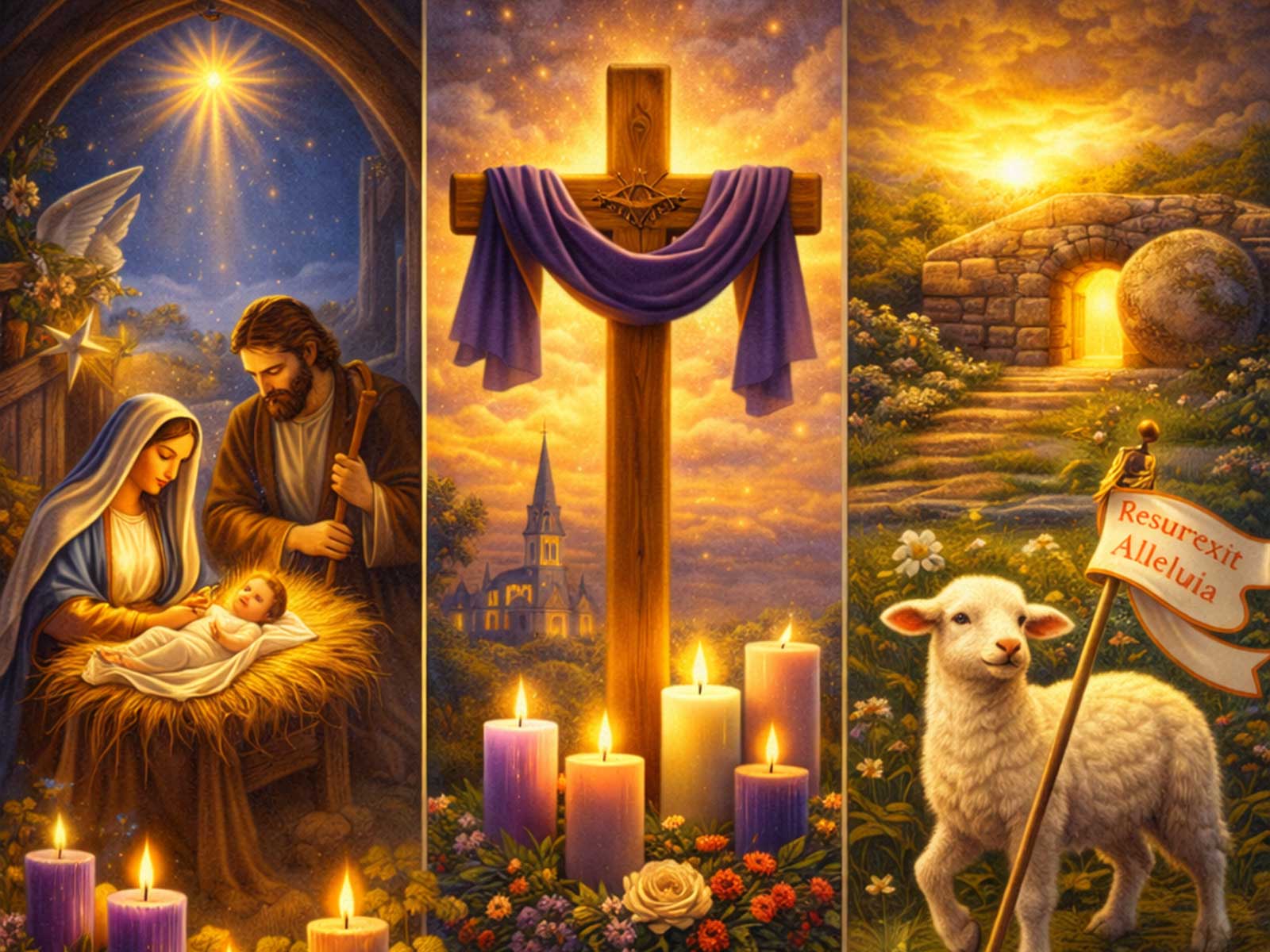
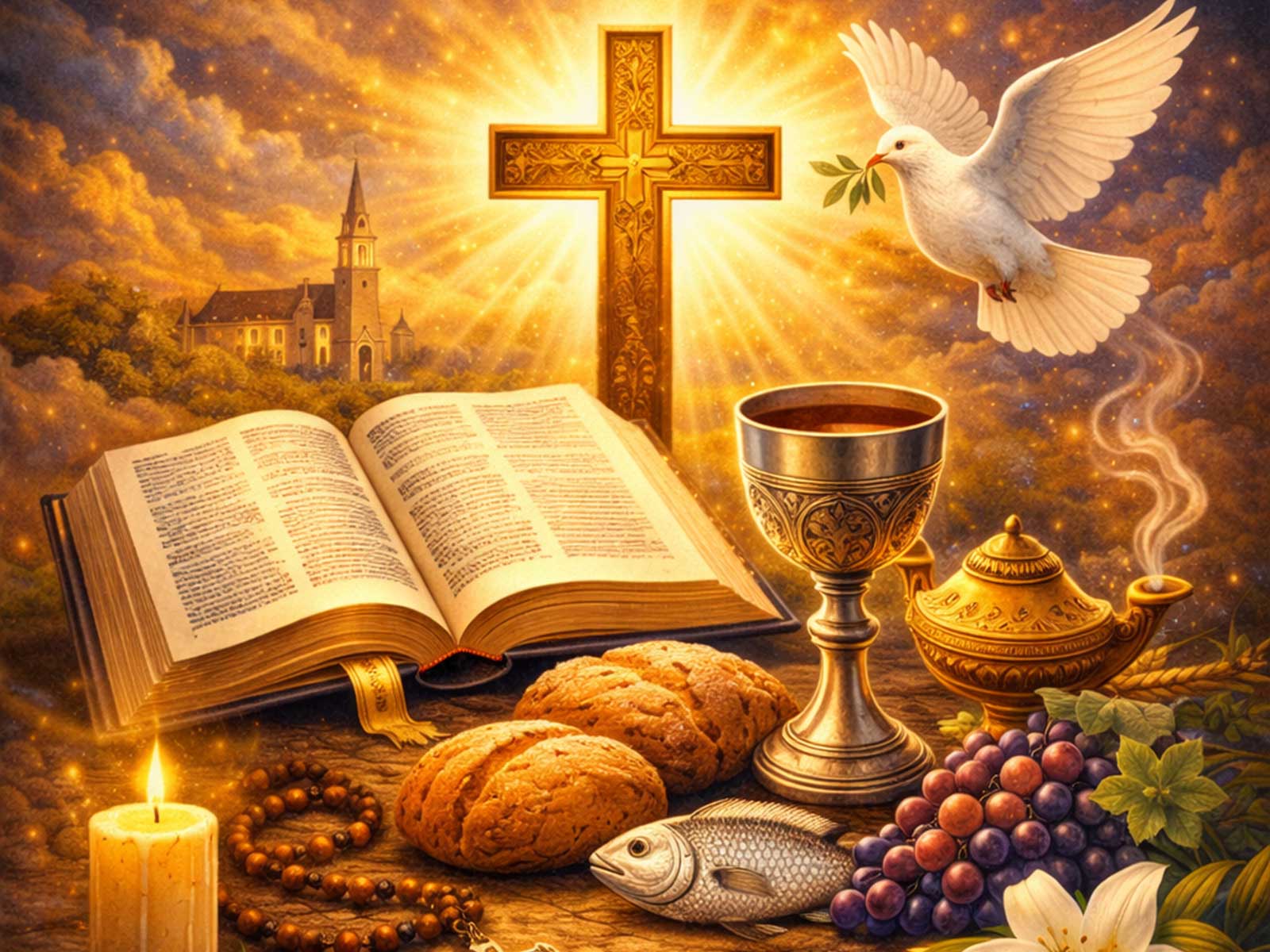
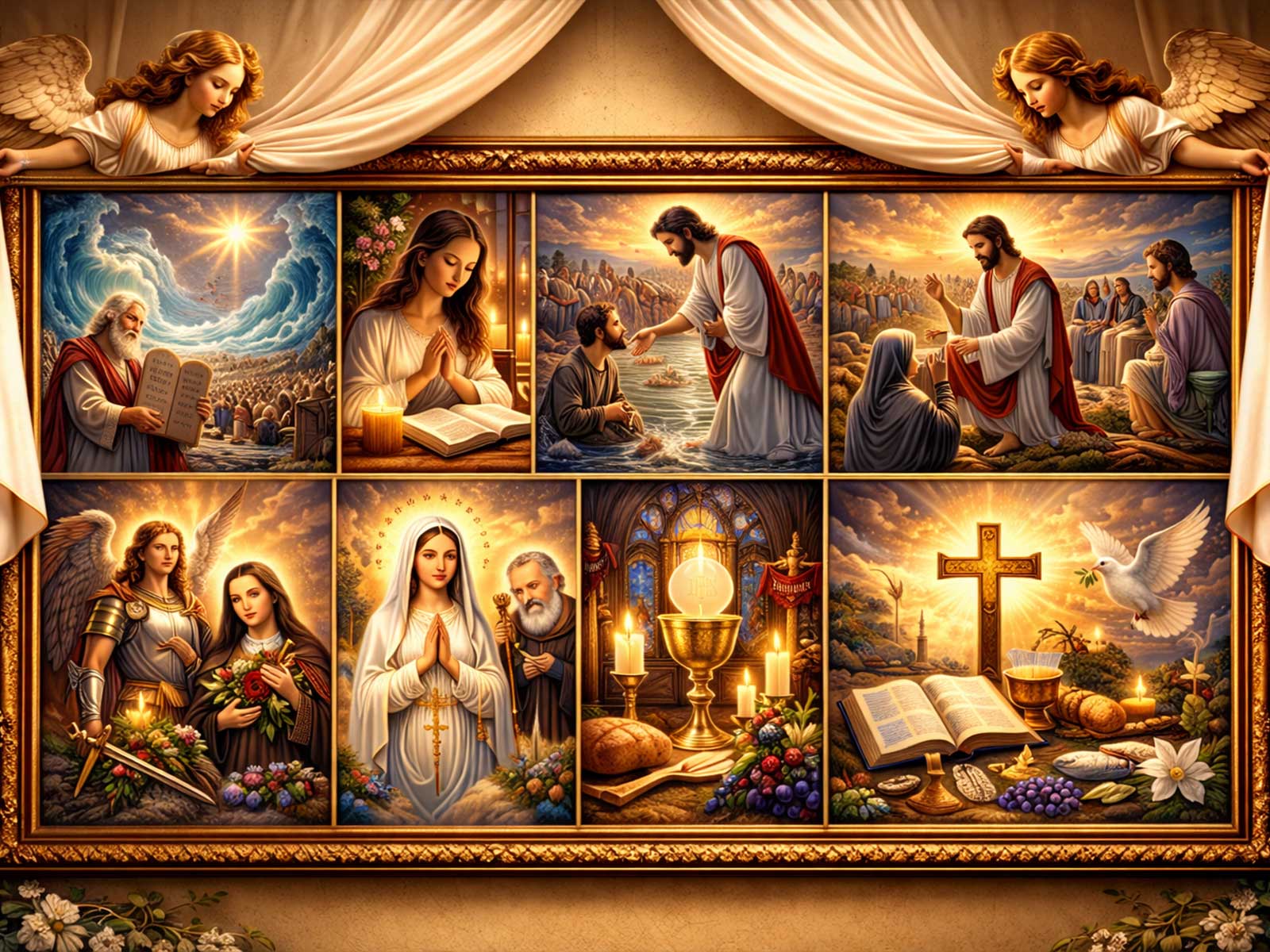
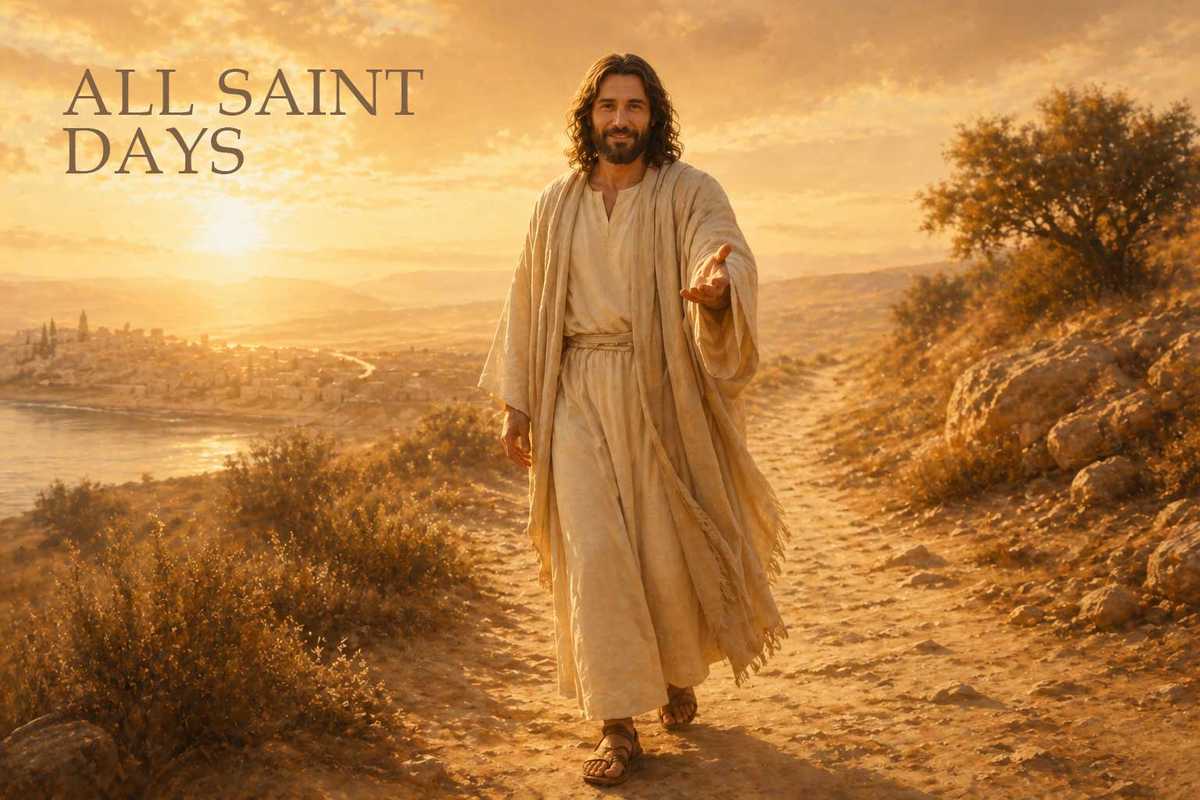
Artists and churches often evoke the themes of victory, light, and community when depicting saints and heavenly scenes for All Saints' Day. The liturgical use of white and iconography that emphasizes glory and communion help worshippers imagine the theological truth the feast proclaims.
A CALM FINAL REFLECTION
Observed on November 1 in the Western Church, All Saints' Day stands as a luminous reminder of the communion of saints and the promise of eternal life. It calls the faithful to celebrate holiness, to remember the Church's unity across heaven and earth, and to live with hope shaped by the reality of Christ's victory.
Sources: Vatican; Catechism of the Catholic Church; Vatican News; USCCB.