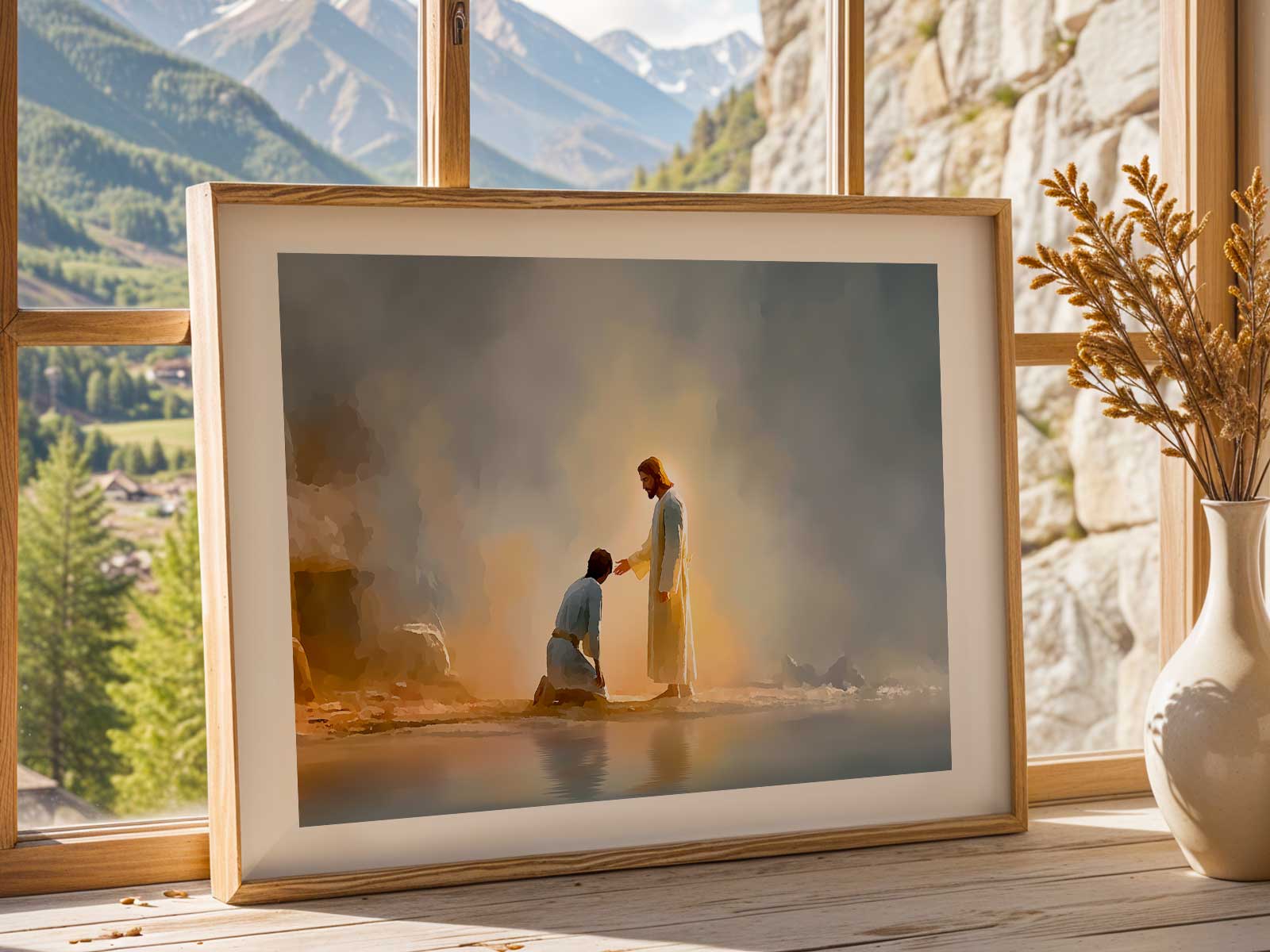
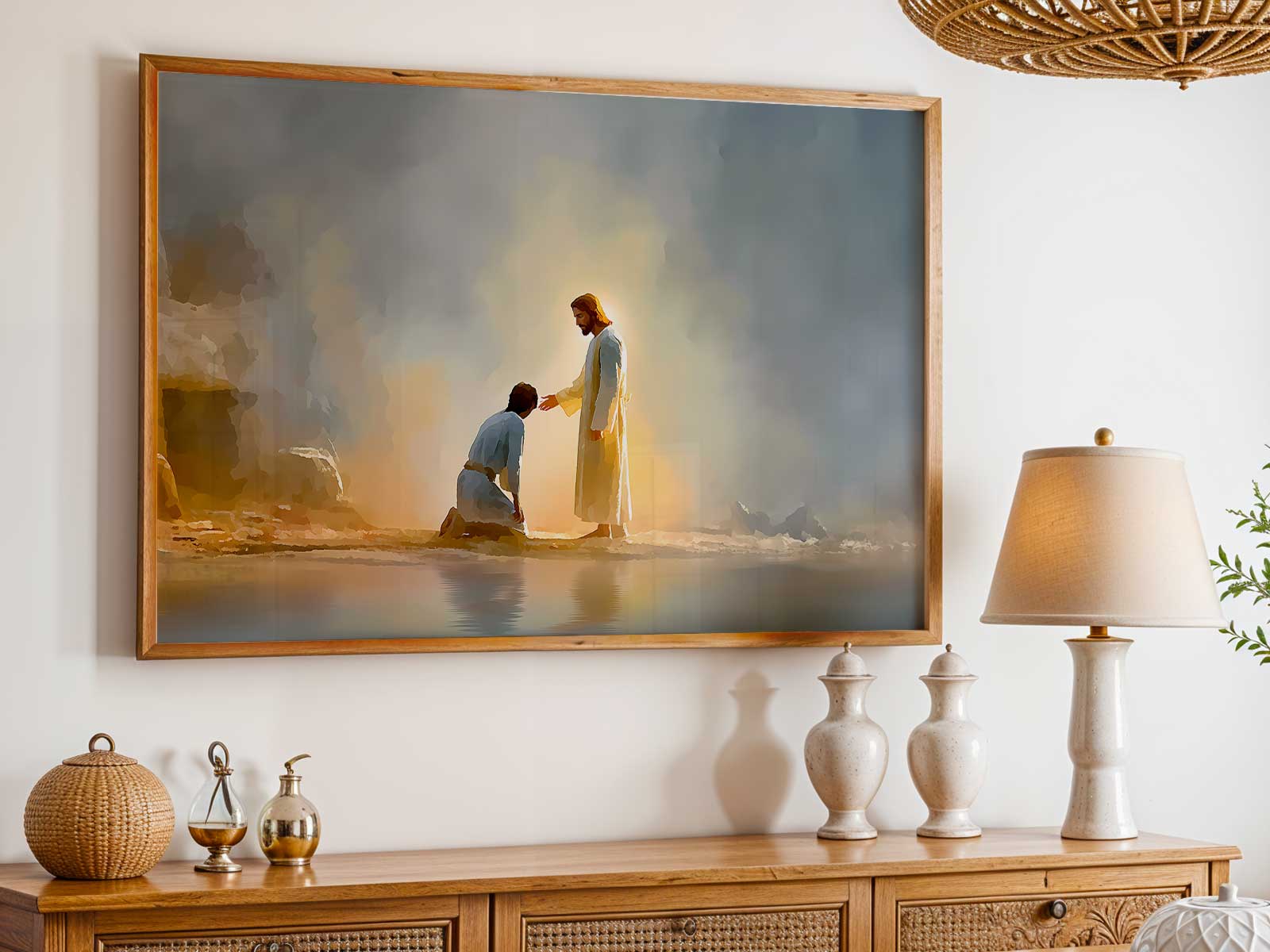
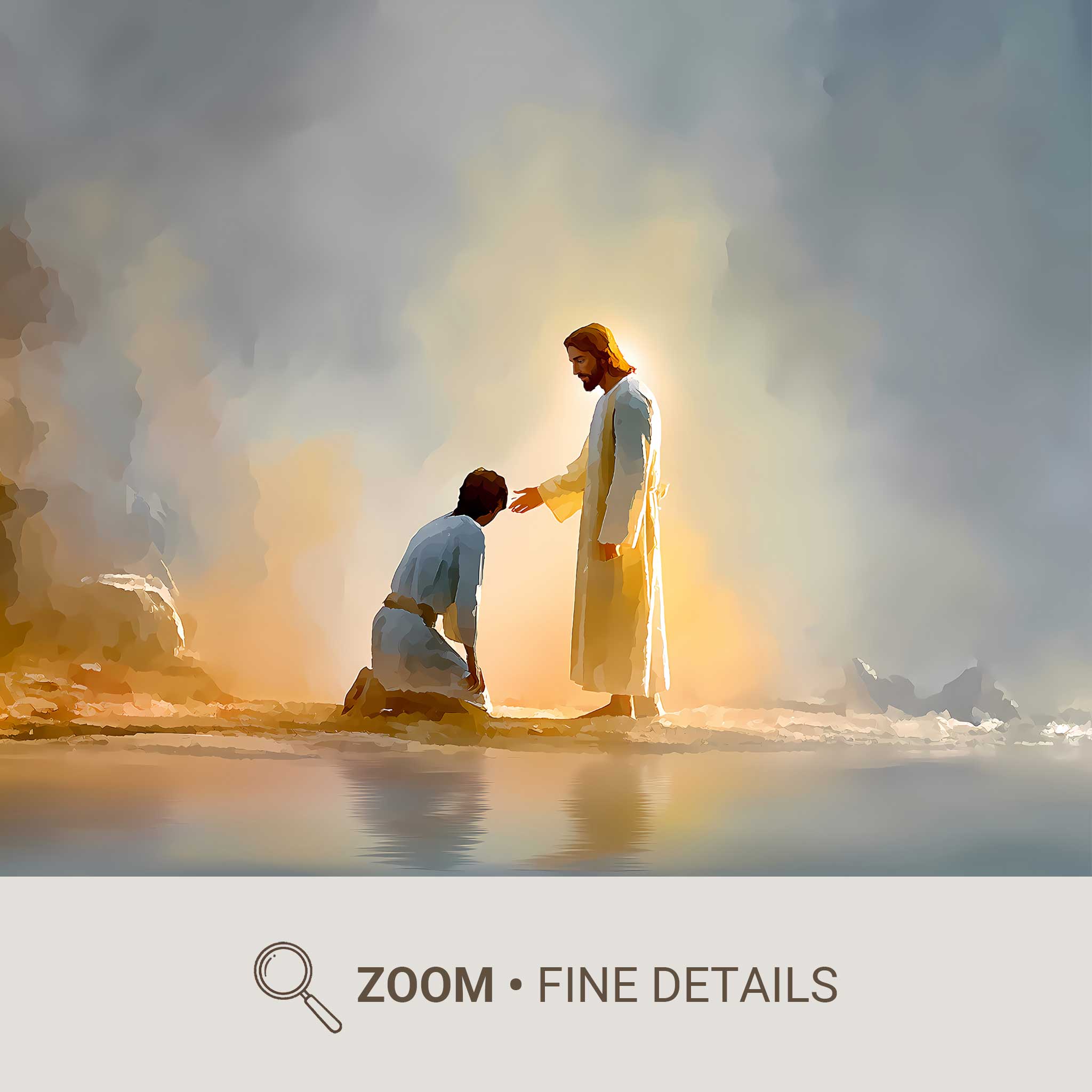
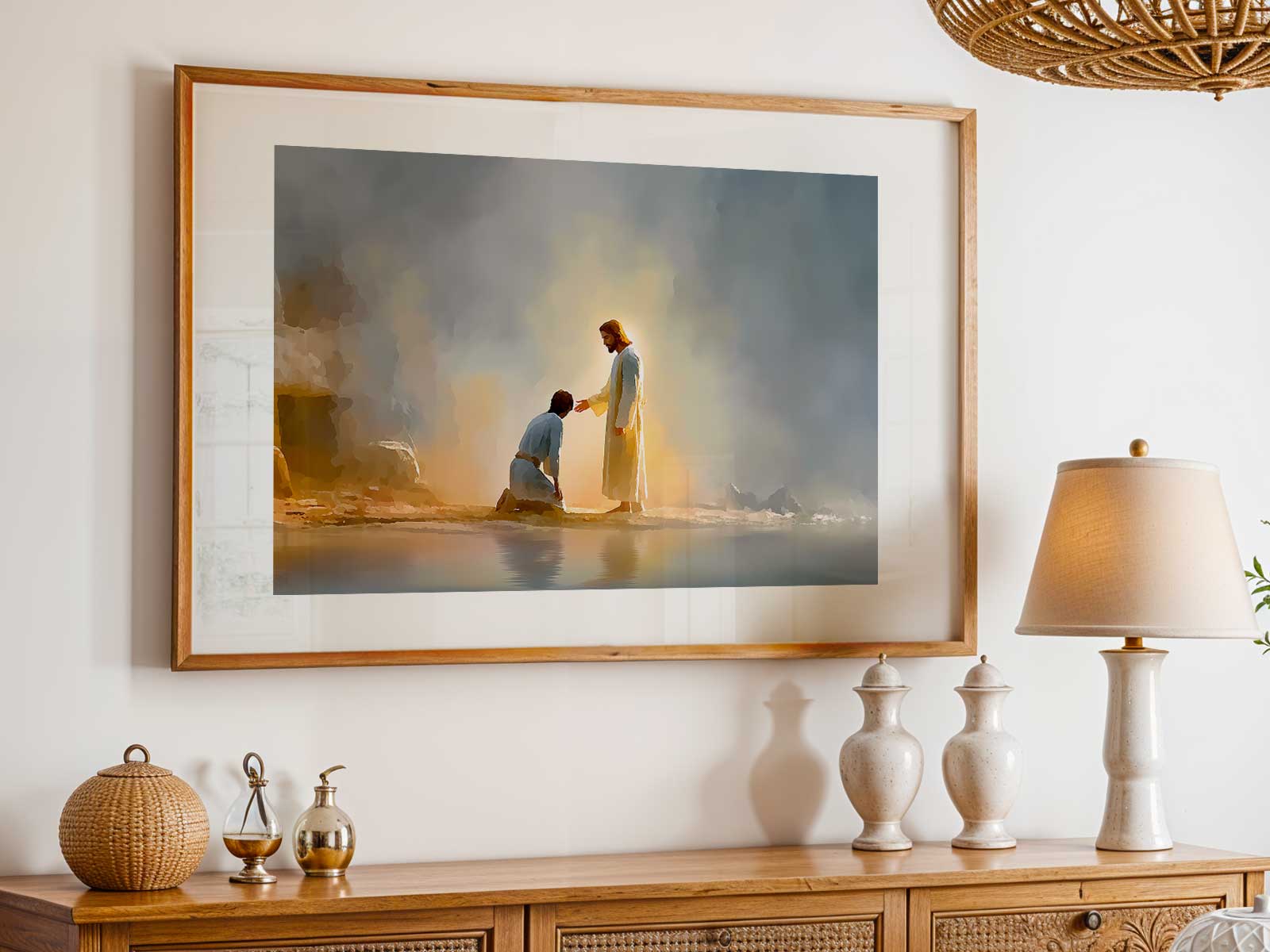
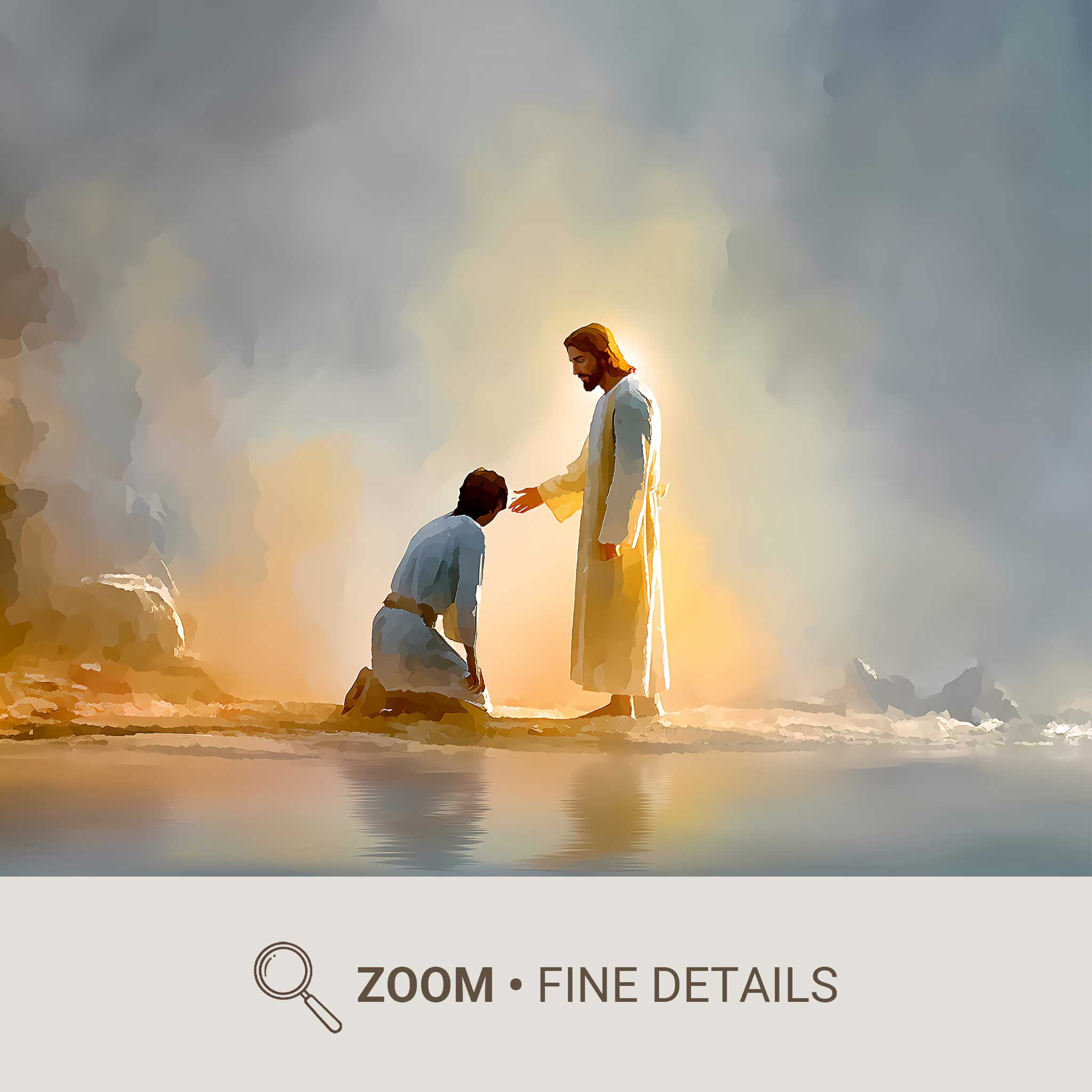
A drawing of Jesus Christ performing deliverance can retain its status as a genuine sacred image when the artist chooses restraint over spectacle. Historical practice shows that scenes of exorcism and deliverance recur in Christian art from medieval illumination through Renaissance painting, and artists seeking a devotional effect often rely on controlled composition rather than dramatic theatricality.
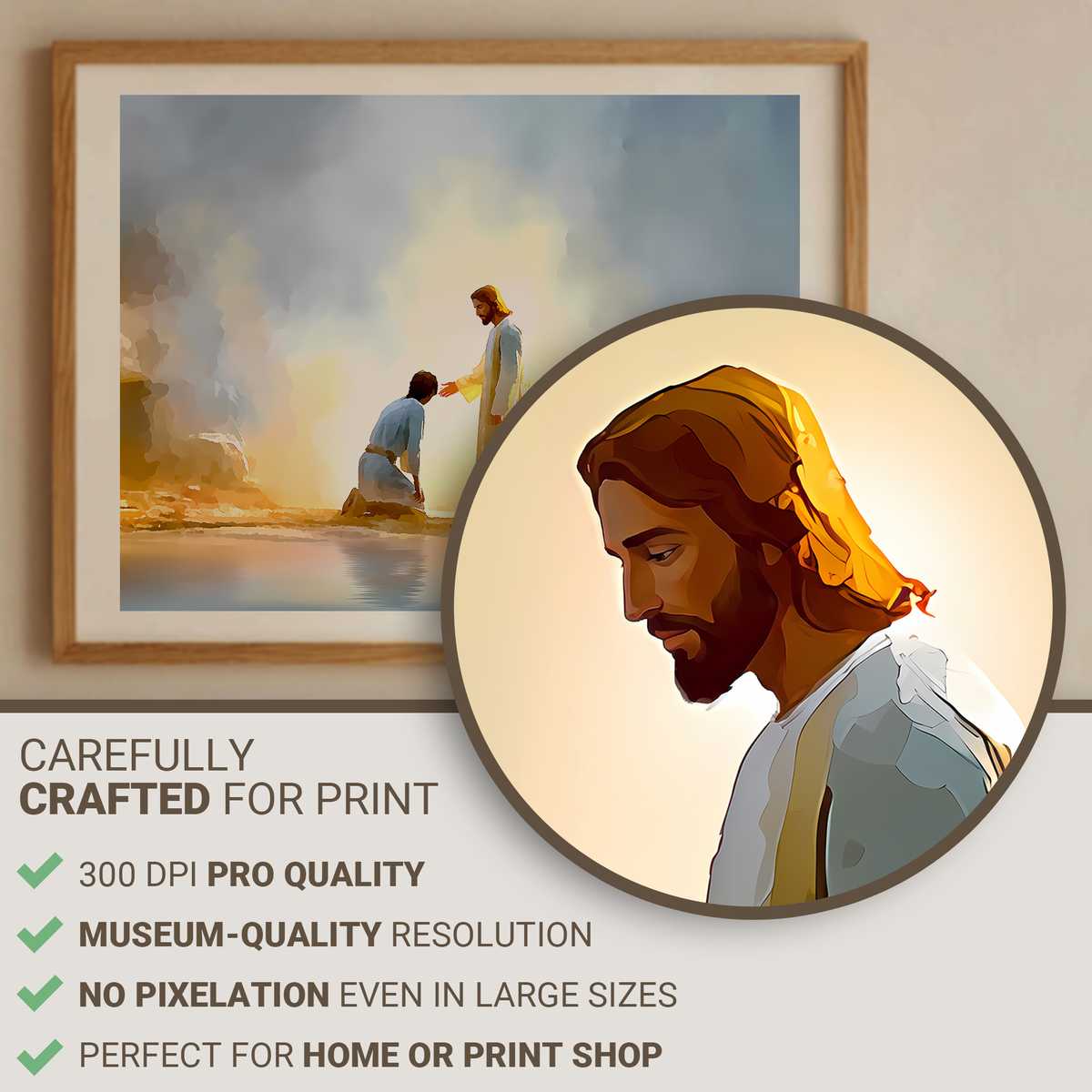
One way the drawing becomes an aid to prayer rather than a performance is through the sobriety of the face. Iconographic traditions in both Eastern and Western practice have long emphasized stylization and measured facial treatment so that the viewer meets a presence suited to contemplation. When the features are rendered with calm, economy, and focused intent, the face of Christ invites an inward gaze: it prompts the viewer to move from curiosity about the miracle to silent attention to mercy and authority.
Line itself can be a form of devotion. A spare, deliberate contour that defines hand, gesture, and the fallen figure does not deny the narrative; it reframes it. Museum and academic literature on exorcism imagery notes that composition, gestures, and expression shape devotional readings. By simplifying detail and clarifying the gestures—Christ’s outstretched hand, the bowed form restored to peace—the drawing foregrounds the theological claim familiar in these traditions: power over unclean spirits and the restoration of wholeness.
The long history of this subject in illuminated manuscripts and fresco cycles demonstrates that such scenes were often treated within liturgical and narrative programs meant to instruct and lead to prayer. A modest drawing, echoing the visual economy of medieval initials or the controlled stylization of classical iconography, makes the scene suitable for private reflection. Instead of a crowded tableau, the pared-back image reads as a presence one can live with daily: a reminder not of spectacle but of the quiet return to peace made possible in the Christian tradition.
[IMAGE_INSERT_ARTICLE_01]
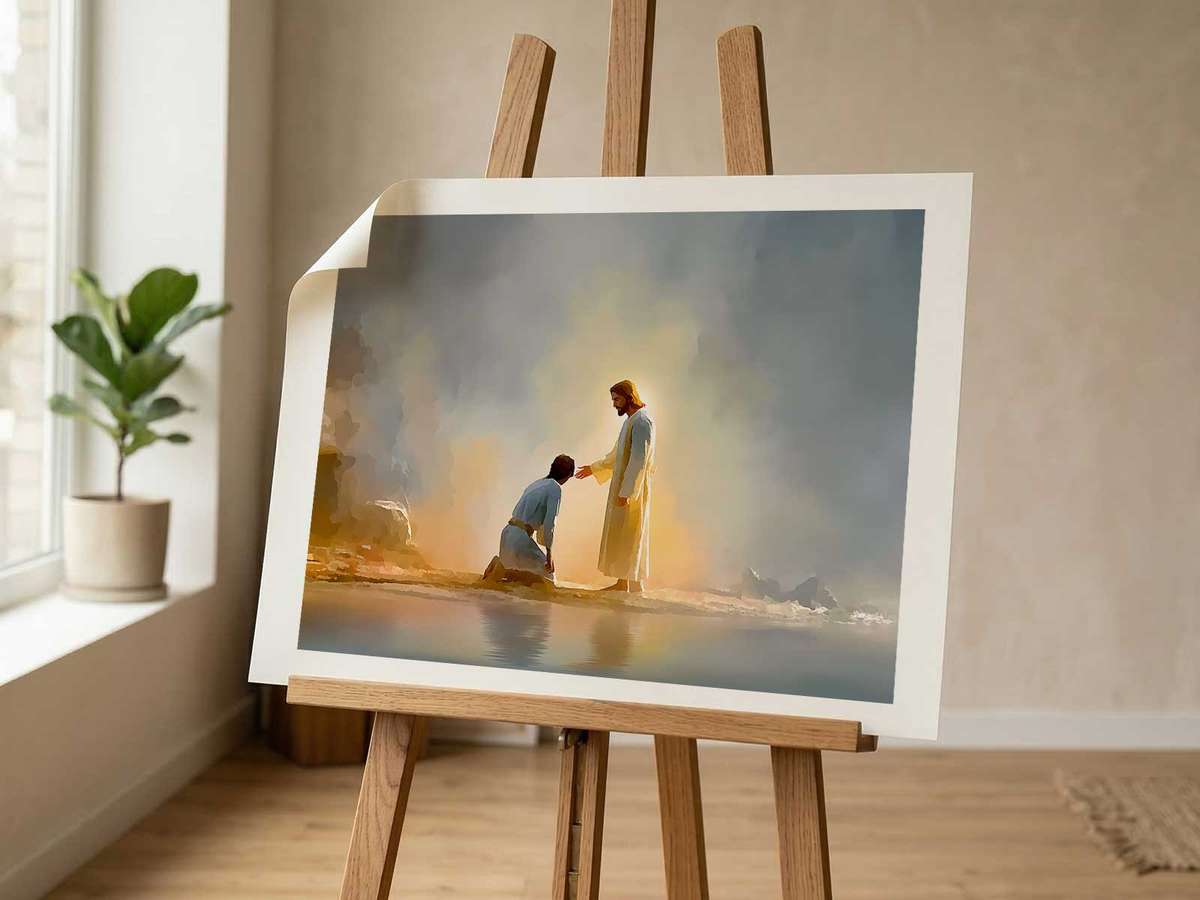
Placed in a prayer corner, a study, or a hallway, a restrained drawing of this episode functions visually like a small liturgical image. Its simplicity allows surrounding light, wall color, and household rhythm to complete the devotional encounter. Curatorial notes and museum descriptions of exorcism paintings and manuscript examples show that viewers historically received such works as parts of larger programs of belief and practice; a humble drawing follows that same logic by inviting repeated, reverent looking rather than a single dramatic glance.
Finally, the contemplative effect depends on the artist’s choices: measured line, intentional negative space, and a composed facial expression for Christ. These choices echo the pedagogical rationale found in iconographic traditions that use restraint to foster prayer. For those seeking wall art that is quietly rooted in Christian visual history, a sober drawing of Christ’s deliverance offers a way to bring a scene of restoration into a home without spectacle—an image designed to steady attention and nurture contemplation.





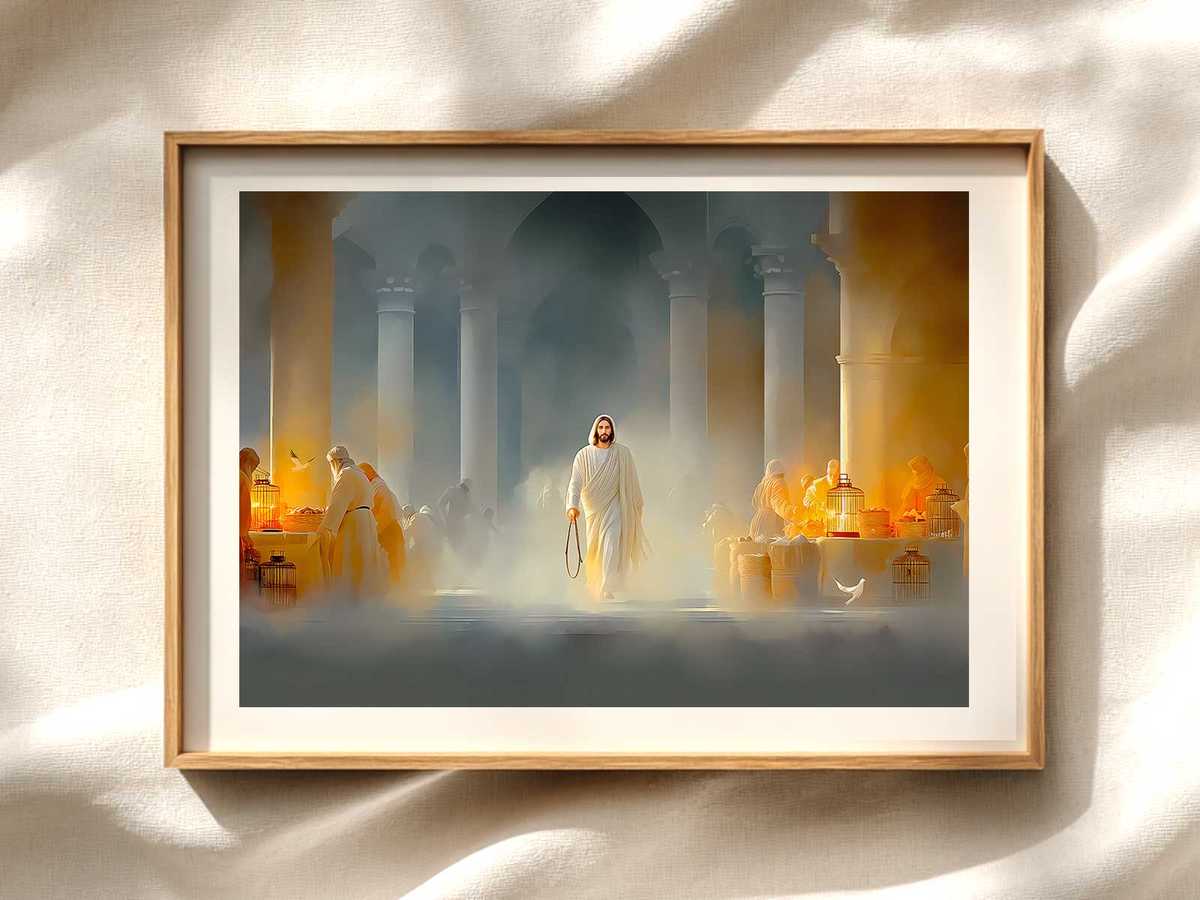 ↧ Digital download
Drawings of Jesus Christ Print: The Purification of the Temple...
Digital download
↧ Digital download
Drawings of Jesus Christ Print: The Purification of the Temple...
Digital download
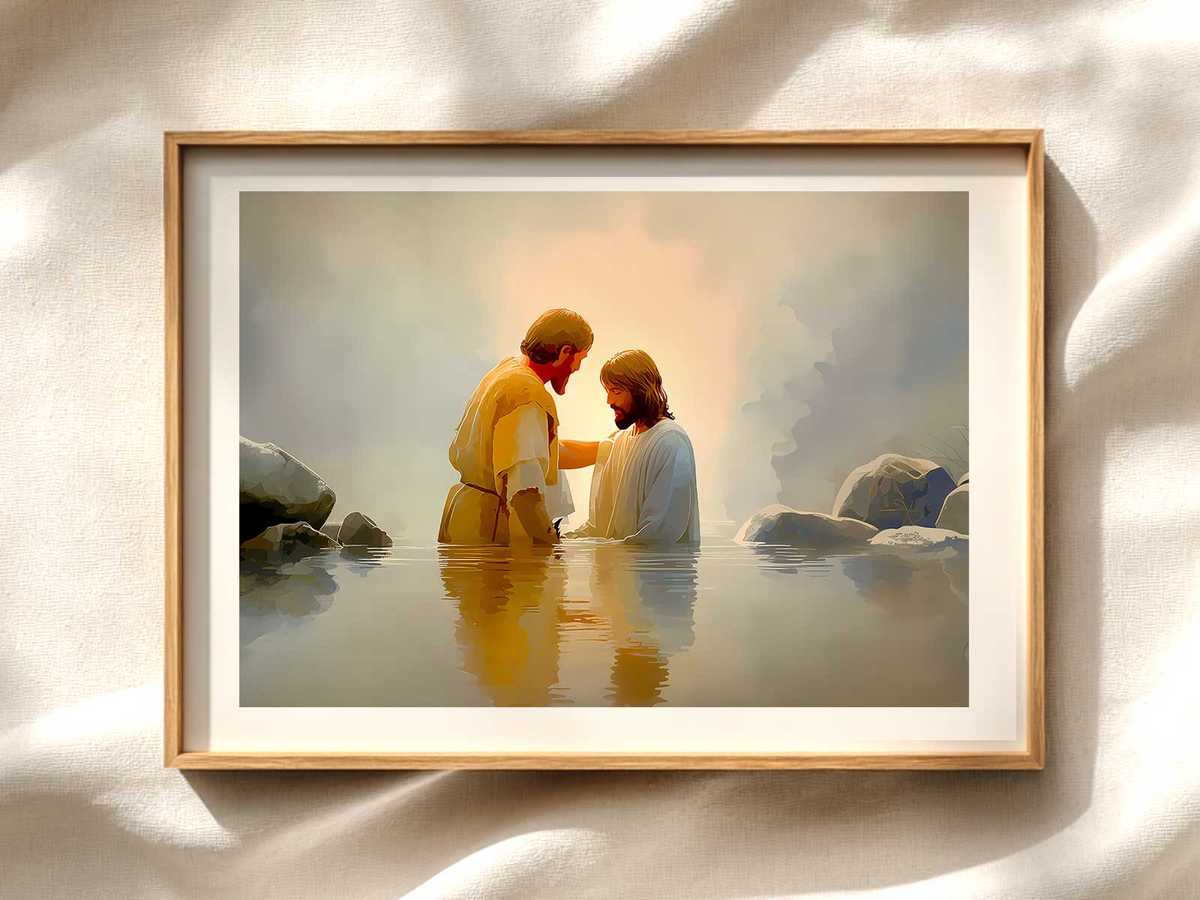 ↧ Digital download
Baptism of Christ painting — a sacred print for quiet devotion at home
Digital download
↧ Digital download
Baptism of Christ painting — a sacred print for quiet devotion at home
Digital download
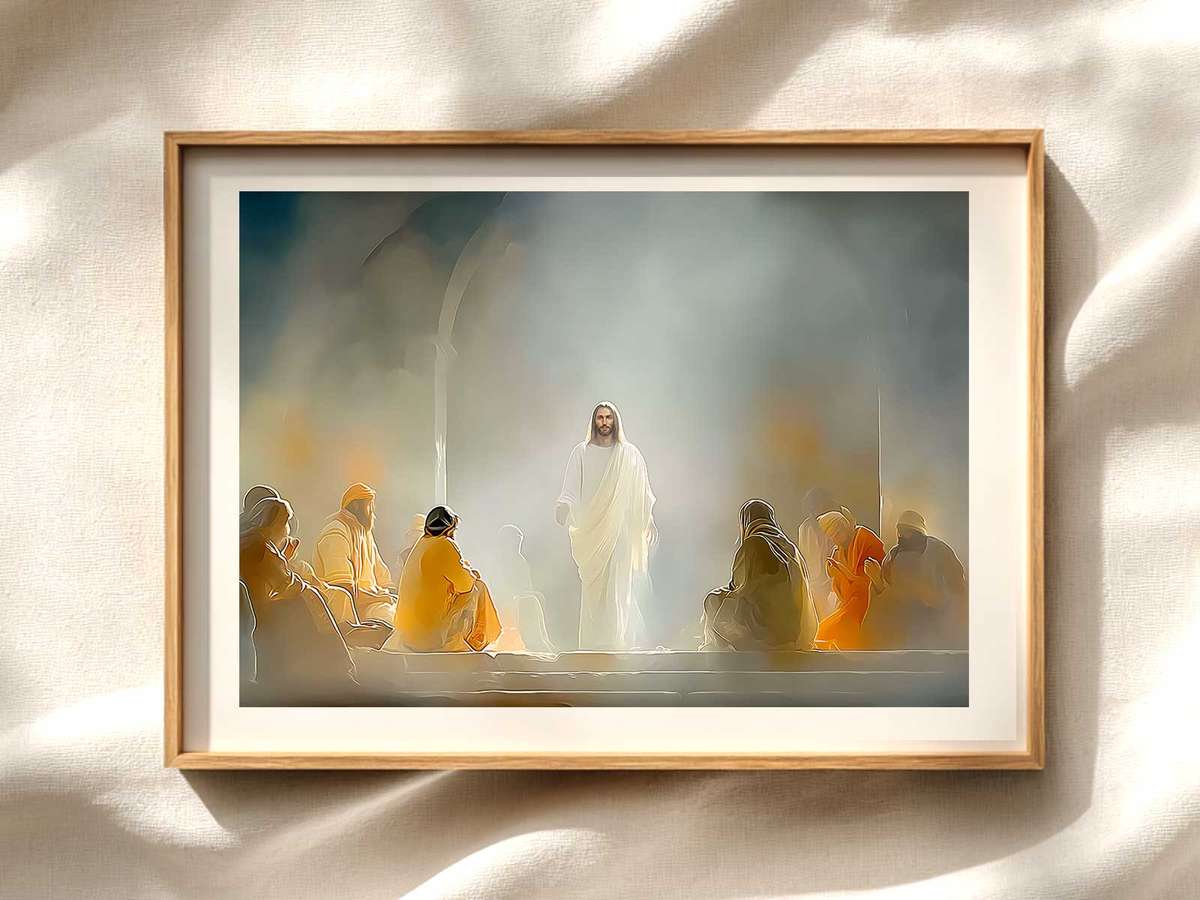 ↧ Digital download
Jesus Art: The Resurrected Appearing — A Sacred Image for Quiet Home…
Digital download
↧ Digital download
Jesus Art: The Resurrected Appearing — A Sacred Image for Quiet Home…
Digital download
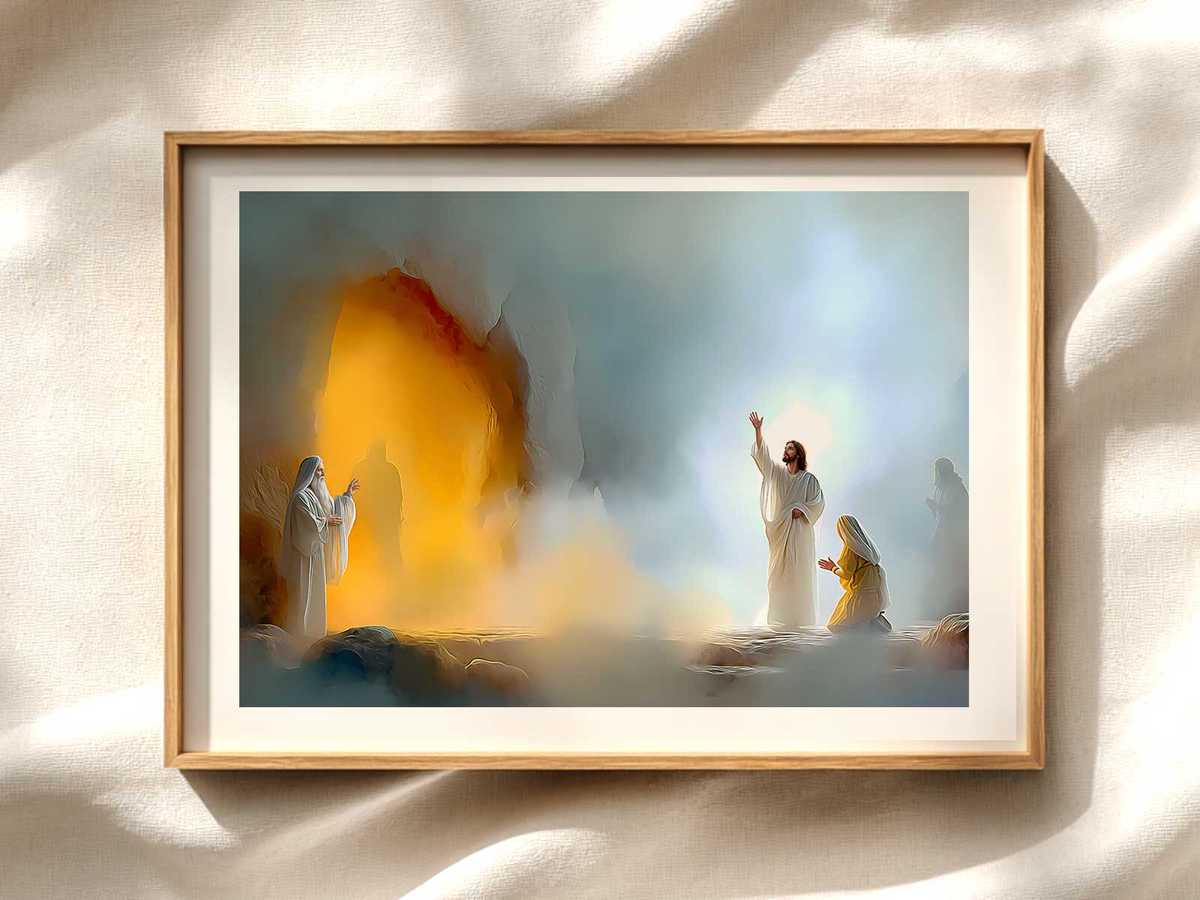 ↧ Digital download
Famous Christ Painting Print: The Resurrection of Lazarus — A Sacred...
Digital download
↧ Digital download
Famous Christ Painting Print: The Resurrection of Lazarus — A Sacred...
Digital download