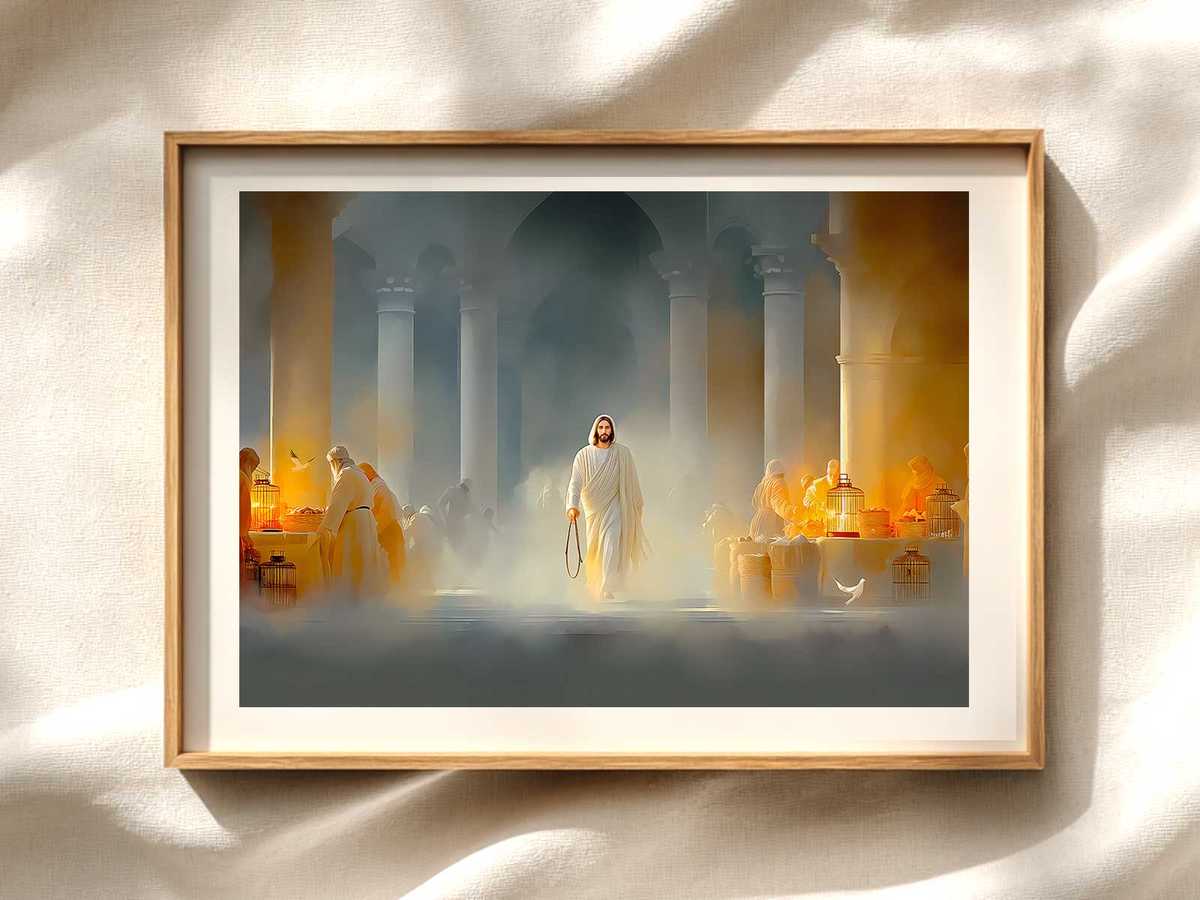
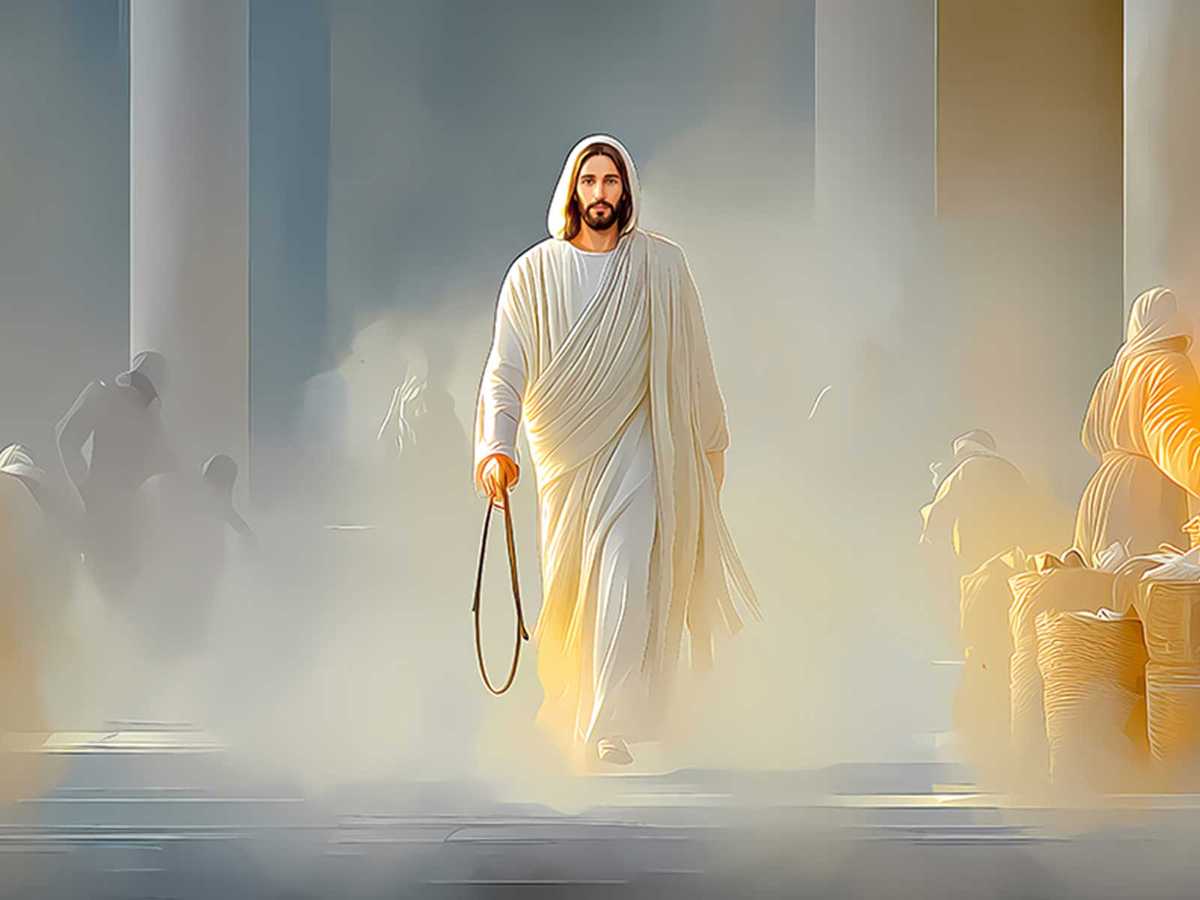
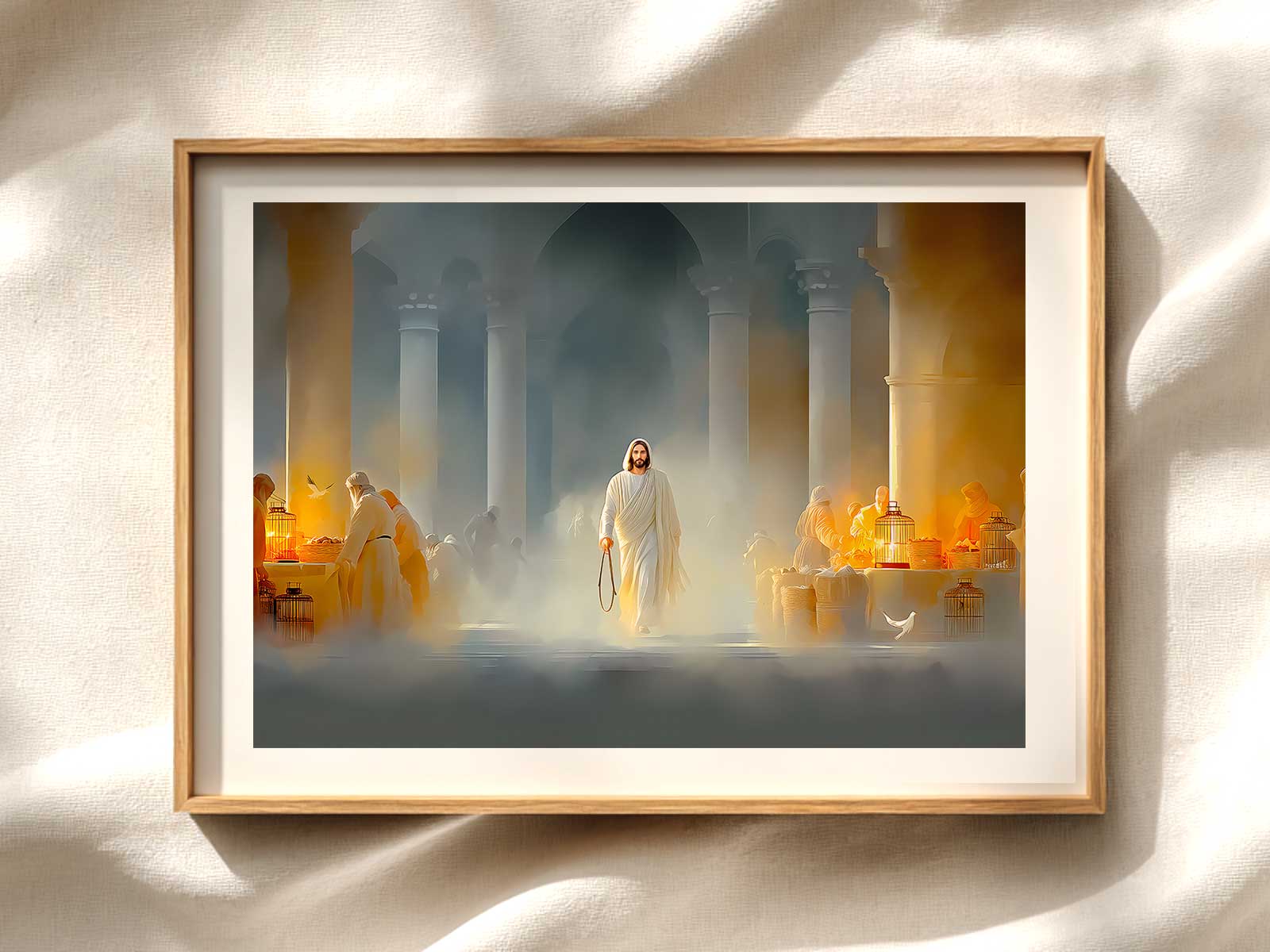
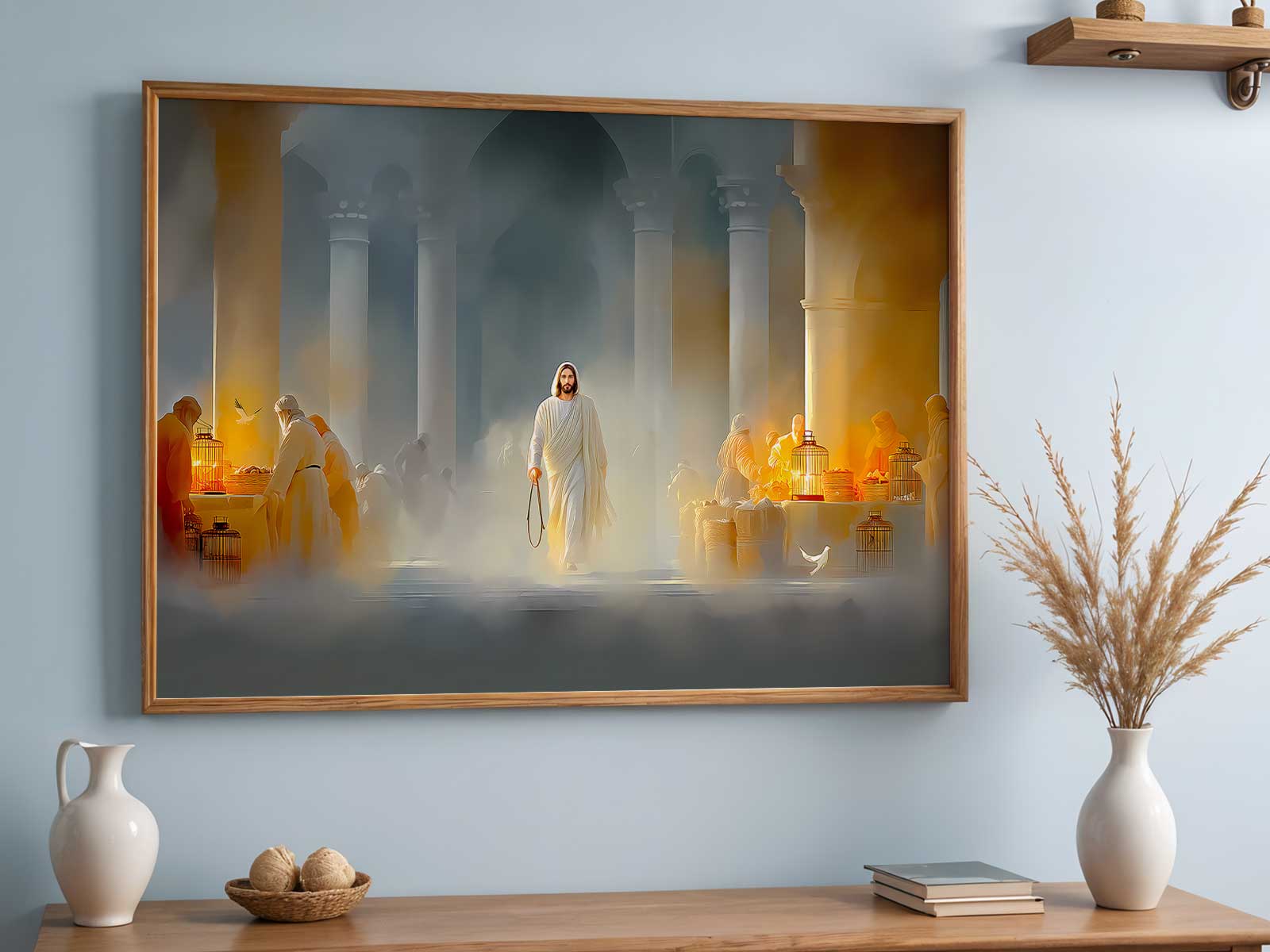
The drawing places the episode of the Temple’s purification in a restrained visual language: economy of line, a face that speaks without loud expression, and gestures that imply purpose rather than spectacle. Rather than staging a dramatic action scene, the artist has chosen a sober vocabulary—few strokes to mark the threshold of the Temple, a bent bench, a turned coin table—and a measured portrait of Christ whose eyes and jaw carry the weight of conviction more than theatrical anger. This restraint invites the viewer into a quieter encounter, where zeal becomes contemplative insistence and the scene functions as a call to interior reform rather than public spectacle.
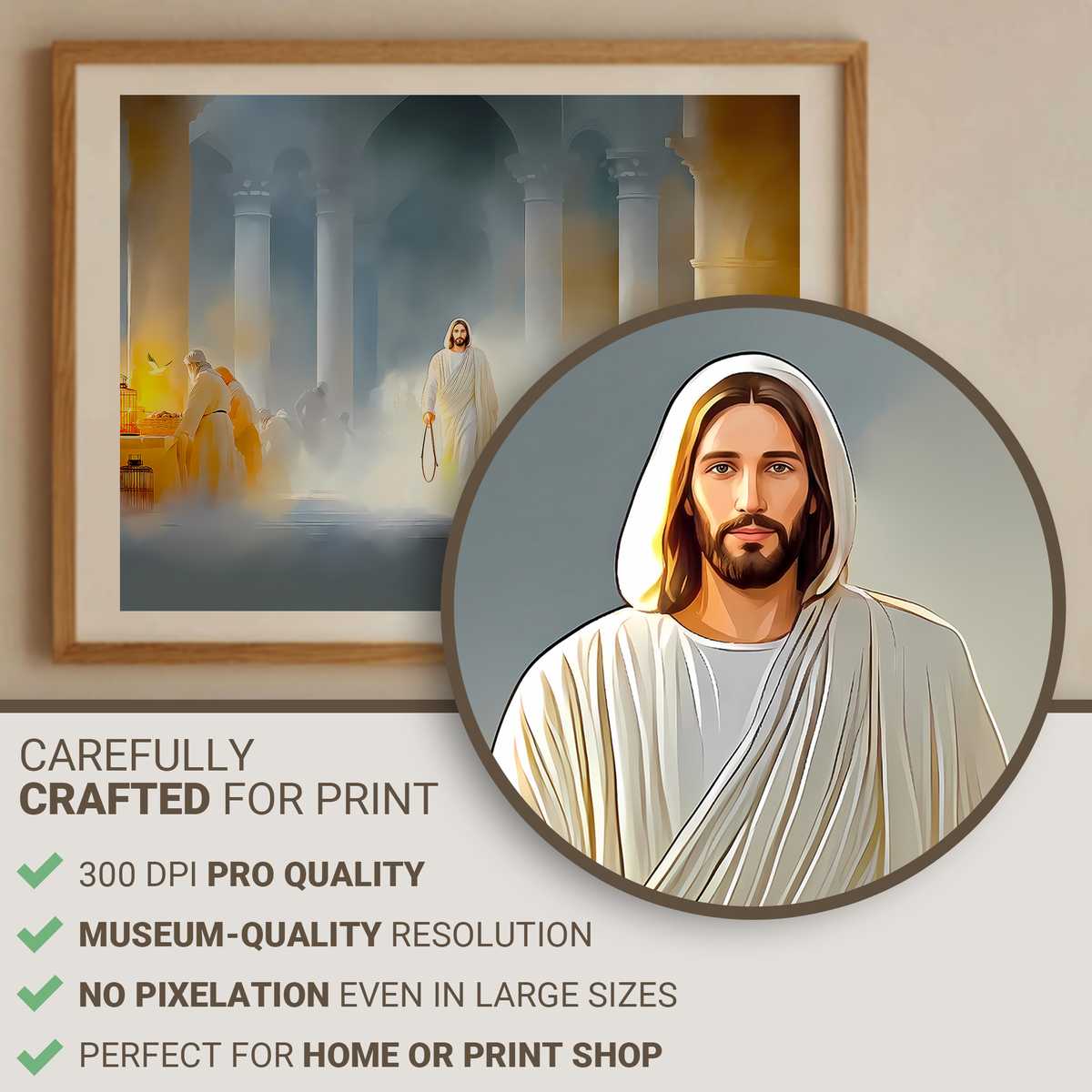
Visually, the work relies on contrast between the simple, precise outlines and the careful voids around the figure. The clear silhouette of Christ anchors the composition while negative space around him suggests a pause in motion, as if the viewer has entered the instant after an act of righteous correction. The face—rendered with a few attentive marks—holds the key to the piece’s devotional power: it is not an expression of mere denunciation but a visage that contemplates faith’s true demands. This way of drawing turns a historical episode into a present invitation to reflection, suitable for a place where prayer and life intersect.
[IMAGE_INSERT_ARTICLE_01]
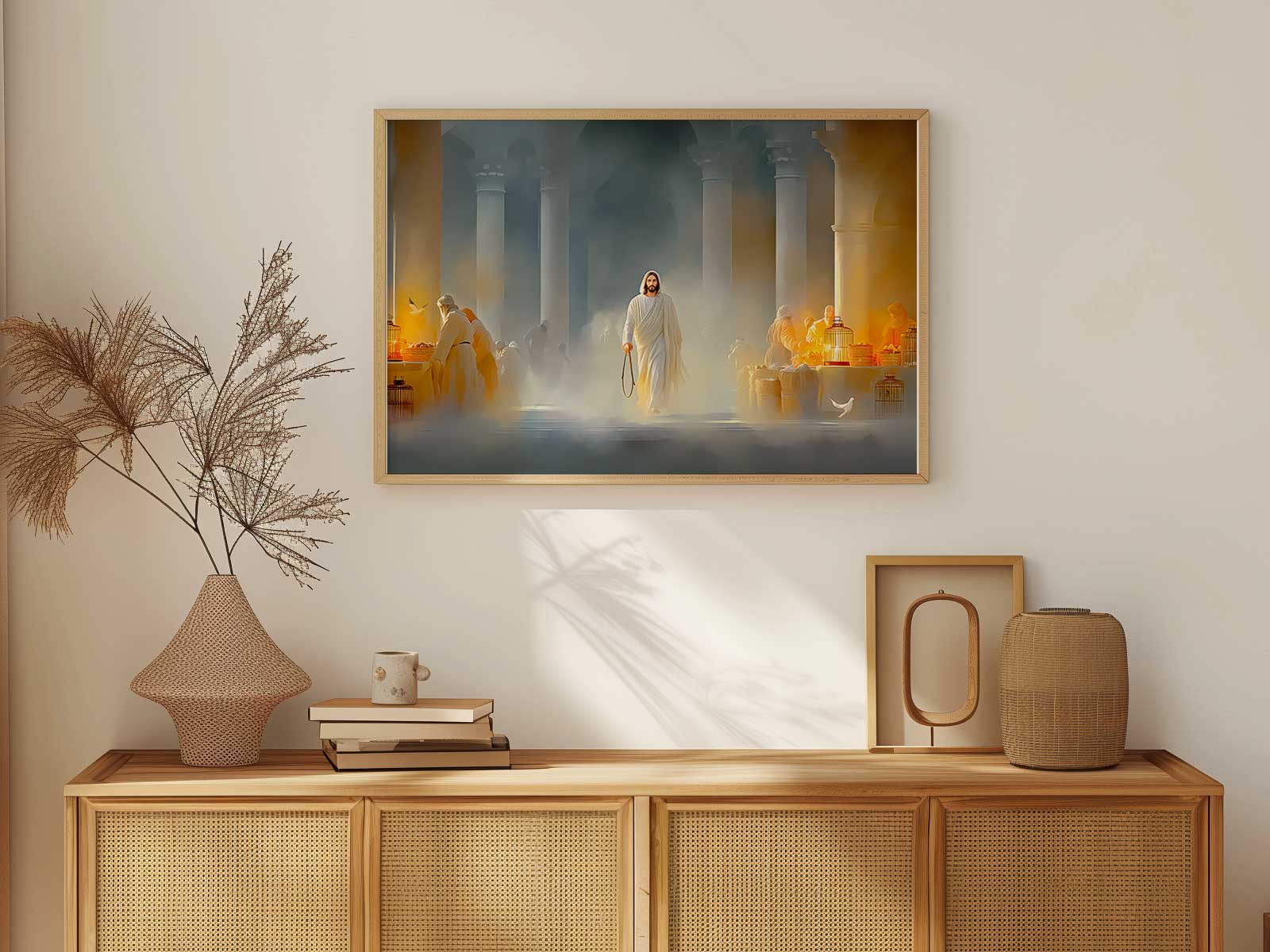
As wall art, the work translates well into domestic devotion because its visual economy avoids overwhelming a room. Hung above a simple prayer corner or in an entryway, the drawing reads at once as scripture lived and as an image that makes a household attentive to integrity. The modest line work harmonizes with linens, wooden furniture, and quiet color palettes, while the steady posture of Christ steadies the eye and mind. One does not need to be an art specialist to feel the piece’s authority; its discretion is itself a form of pastoral tenderness.
Each viewing reveals a different tonal emphasis: sometimes the hands and coins register most strongly, reminding the observer of the moral clarity enacted; at other times the face and its calm insistence draw one into private interrogation—What does true faith demand of me today? The drawing’s capacity to alternate between public action and inner account makes it well suited to both communal spaces and small domestic altars. It functions as a companion for prayerful reading, a quiet anchor in a study, or a contemplative presence for a bedroom where one wants truth spoken without harshness.
Because the piece privileges sobriety of trace and depth of look over ornamental detail, it becomes a long-lived companion rather than a seasonal decoration. It can be given as a thoughtful gift for someone beginning a new chapter of life, for a home where spiritual seriousness is welcomed, or for a friend who appreciates images that provoke reflection more than applause. In any setting, the drawing's restrained composition preserves the sense that what it depicts remains a living presence: not merely a story to admire, but a face to meet and a demand to receive.





 ↧ Digital download
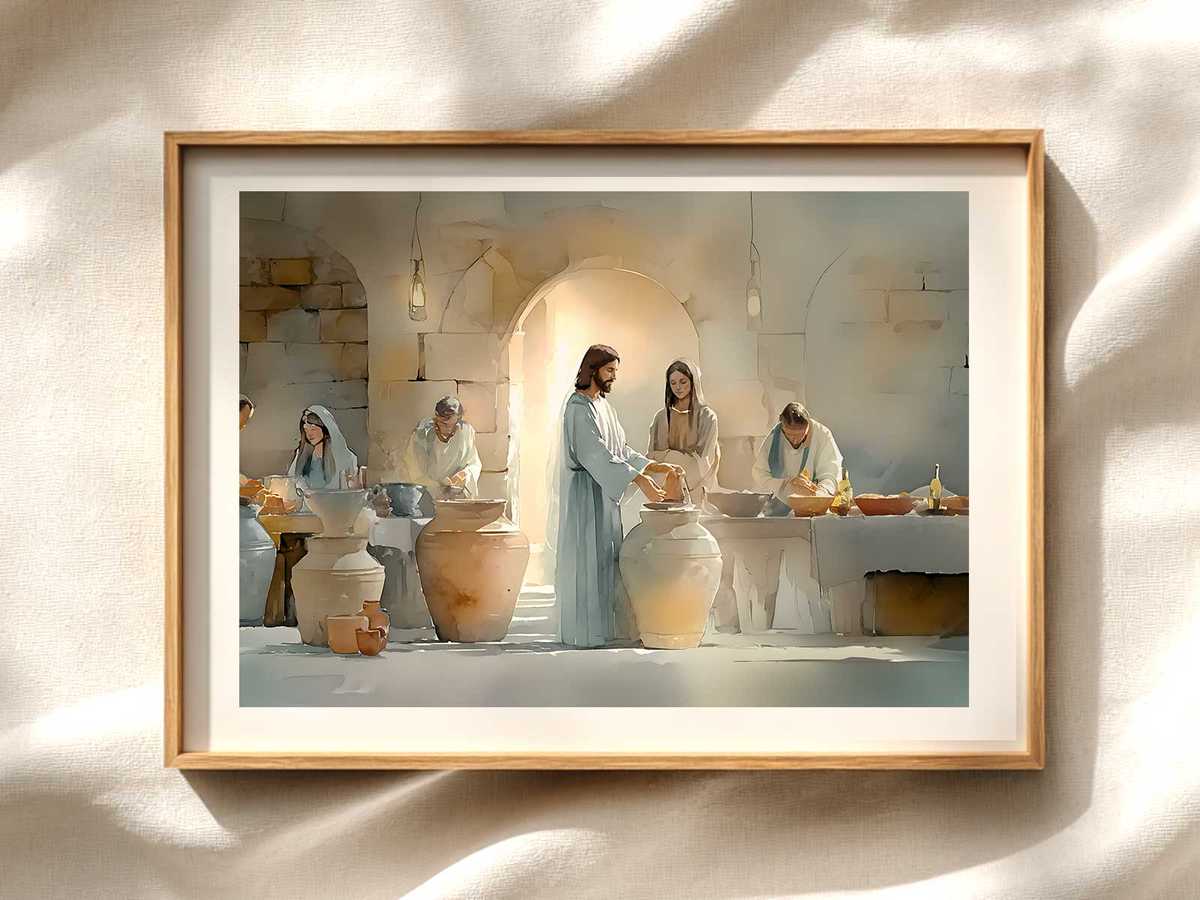
Wedding at Cana — Jesus Art for a Home of Transformed Joy
Digital download
↧ Digital download
Wedding at Cana — Jesus Art for a Home of Transformed Joy
Digital download
 ↧ Digital download
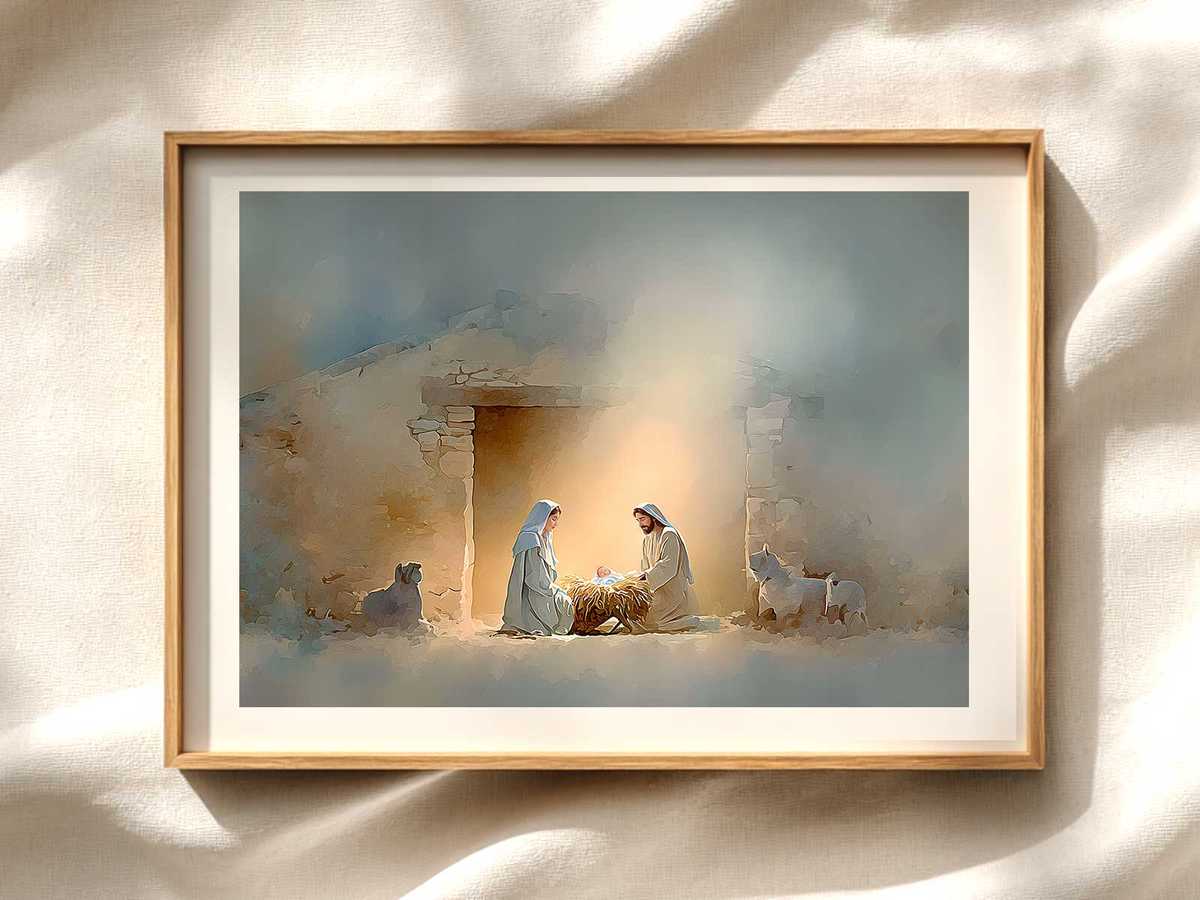
Earliest Painting of Jesus: The Nativity’s Quiet Thread Through...
Digital download
↧ Digital download
Earliest Painting of Jesus: The Nativity’s Quiet Thread Through...
Digital download
 ↧ Digital download
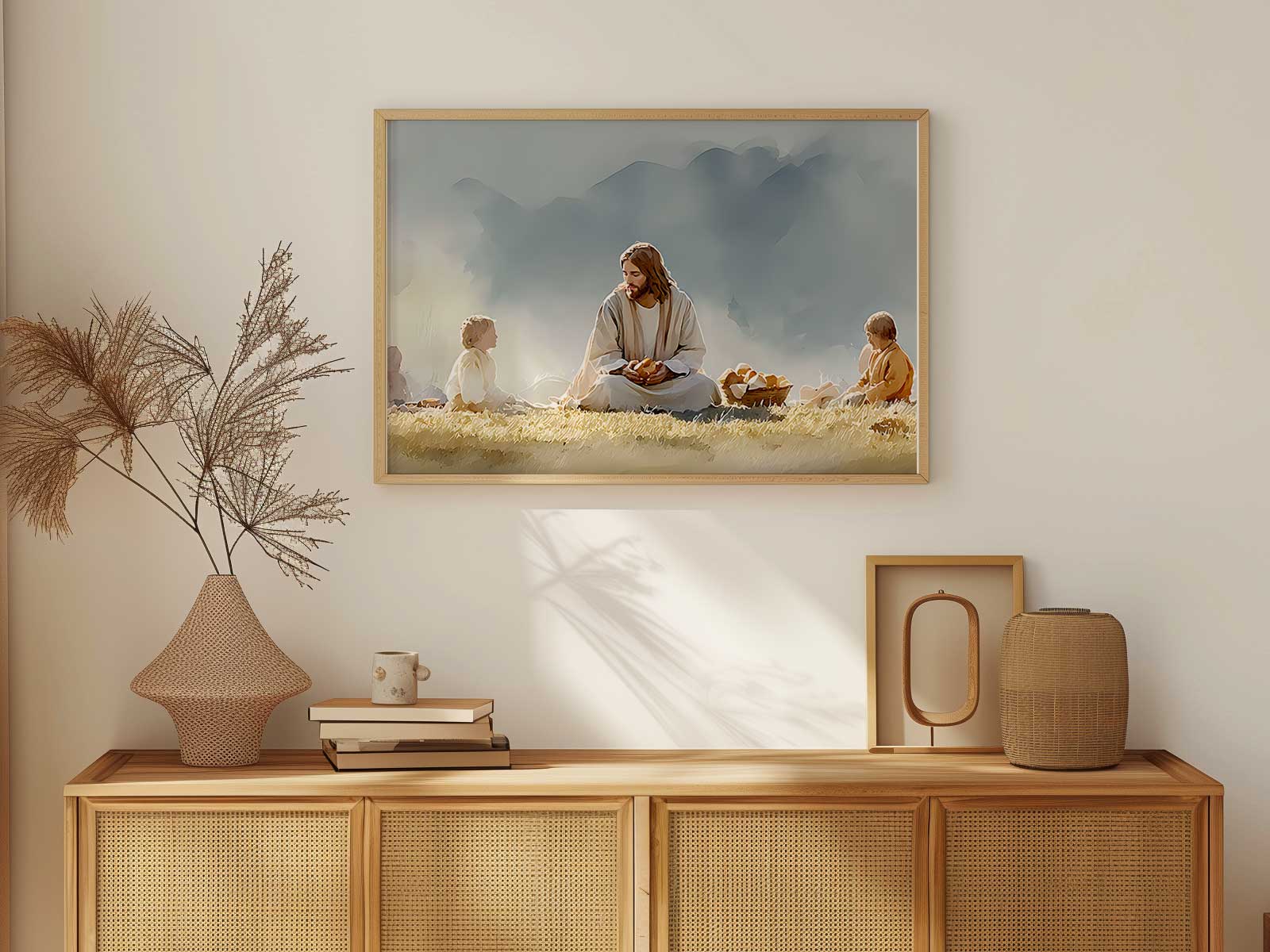
Christian Wall Art: Feeding the Five Thousand and Trust in Providence
Digital download
↧ Digital download
Christian Wall Art: Feeding the Five Thousand and Trust in Providence
Digital download
 ↧ Digital download
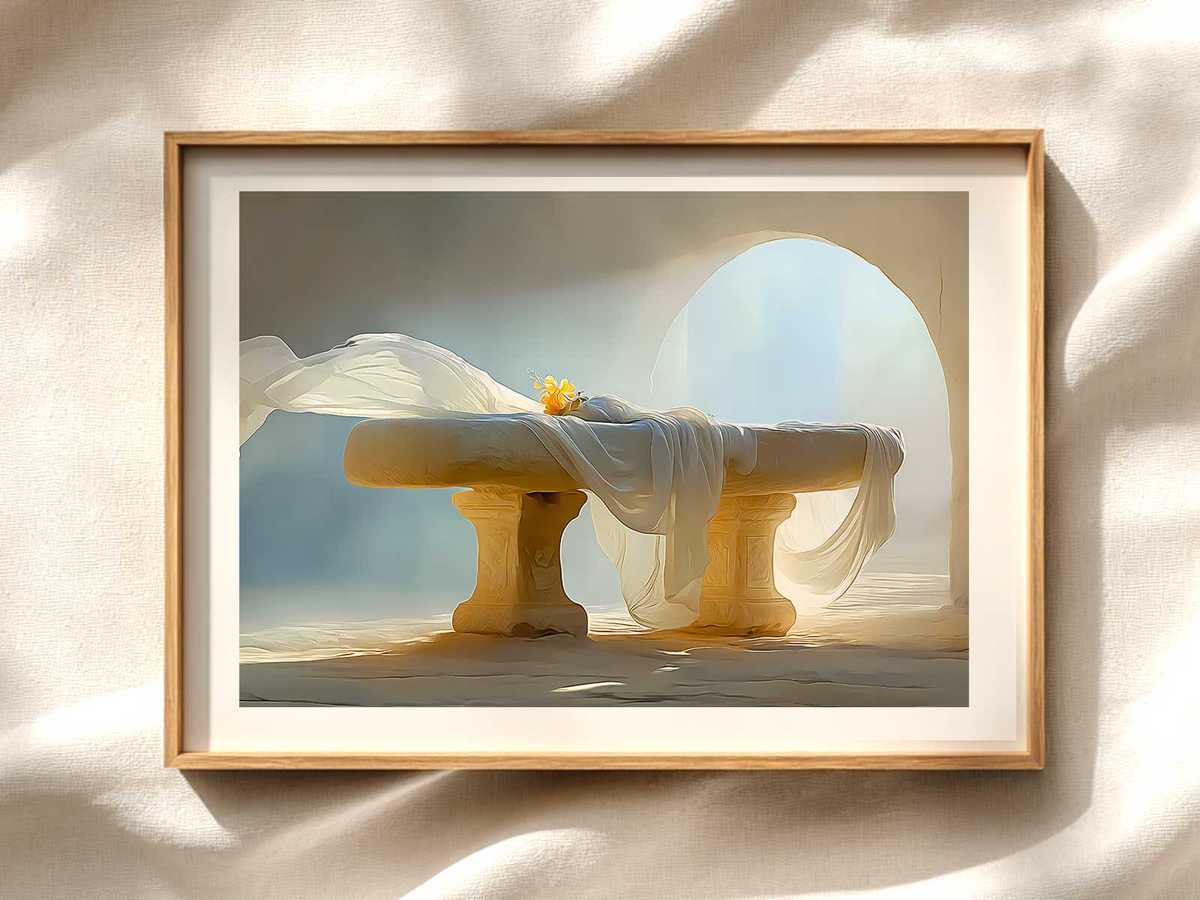
Famous Christ Painting Wall Art: The Resurrection as a Sign of...
Digital download
↧ Digital download
Famous Christ Painting Wall Art: The Resurrection as a Sign of...
Digital download