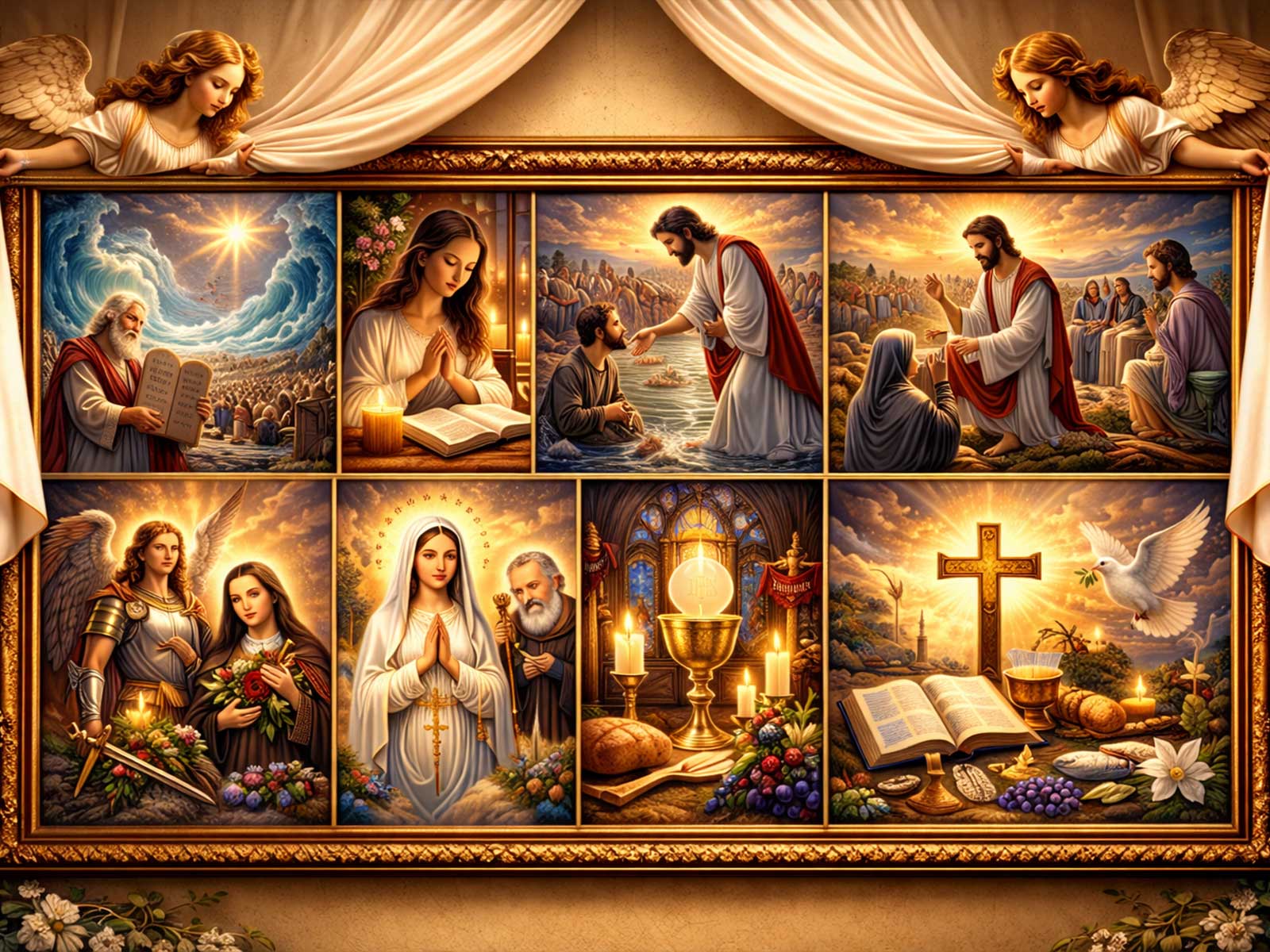
A carefully chosen collection of Christian wall art can do more than fill a blank wall; it can shape a room’s atmosphere, invite stillness, and connect domestic life to visible traditions of faith. When images, simple typographic verses, and sacred motifs are selected with restraint and coherence, they avoid the catalogue effect — the frantic crowding of styles — and instead form a quiet visual language that supports prayer, conversation, and everyday gratitude.
Think of the collection as a family of pieces that share a mood: limited color, gentle contrast, and modest composition. A small grouping of landscape-inspired prints, a line-drawn dove, and a single framed phrase set in calm type can speak together. The goal is not to present every biblical theme at once but to create resonant notes that repeat across the room, so the eye moves with ease and the spirit is invited to linger.
In living rooms and dining areas, place one or two larger pieces as an anchor above a mantel or behind a sofa, paired with smaller companion prints that echo a color or motif. In a bedroom or prayer corner, a compact trio of prints—an image, a short phrase, and a simple symbol—can form a small chapel of reflection without intruding on the room’s restful function. Hallways and entries benefit from a modest procession of works that greet visitors with warmth rather than declaration.
[IMAGE_INSERT_ARTICLE_01]
Visually, the strongest collections are those that balance imagery and text gently. Let an image carry mood—soft light on water, a quiet field at dawn—while typographic pieces offer a single line of encouragement or a concise traditional phrase. Avoid dense script or ornate frames that compete with the image; instead, favor visual restraint so that each piece contributes to an overall hush rather than demanding attention.
When arranging a collection, consider sight lines and daily routines. A wall visible from a kitchen table can hold art that encourages gratitude and family conversation. A study or home office benefits from imagery that suggests contemplation and steadiness. Nurseries and children’s rooms can include simplified symbols and gentle colors that introduce faith visually without didactic intensity.
Lighting and negative space are part of the work. Allow breathing room around each piece so the eye can rest. Soft, directional light—natural or warm artificial—deepens texture and reveals subtlety in print tones. The collection’s power comes less from overt messaging and more from the way it quietly anchors the room’s rhythm and invites repeated, unhurried looking.
Beyond mood, a thoughtful grouping gives daily life small devotional moments: pausing at a hallway print, noticing an image by the bedside, sharing what a verse means at dinner. These are practical, domestic uses of sacred art that feel organic rather than staged. A collection that references familiar symbols and imagery can also help mark family memory and identity without needing to be instructional.
Curating such a collection asks for attentiveness rather than abundance. Choose pieces that relate to one another in tone, allow space for silence, and respect the lived function of each room. In doing so, the art becomes part of household habit: an unassuming companion to mornings, a quiet witness at difficult moments, and a gentle reminder of a faith that lives in ordinary places.






 ↧ Digital download
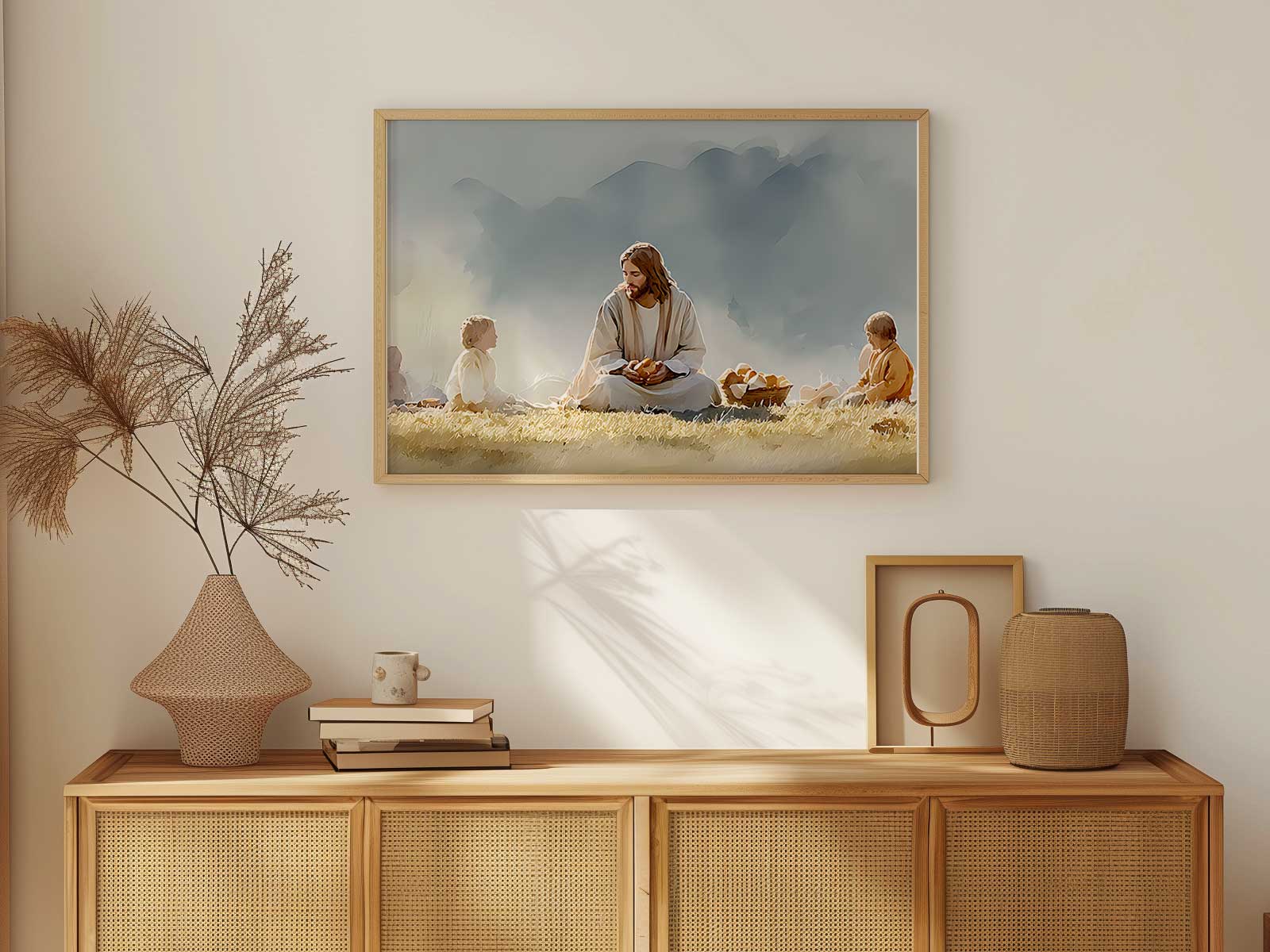
Christian Wall Art: Feeding the Five Thousand and Trust in Providence
Digital download
↧ Digital download
Christian Wall Art: Feeding the Five Thousand and Trust in Providence
Digital download
 ↧ Digital download
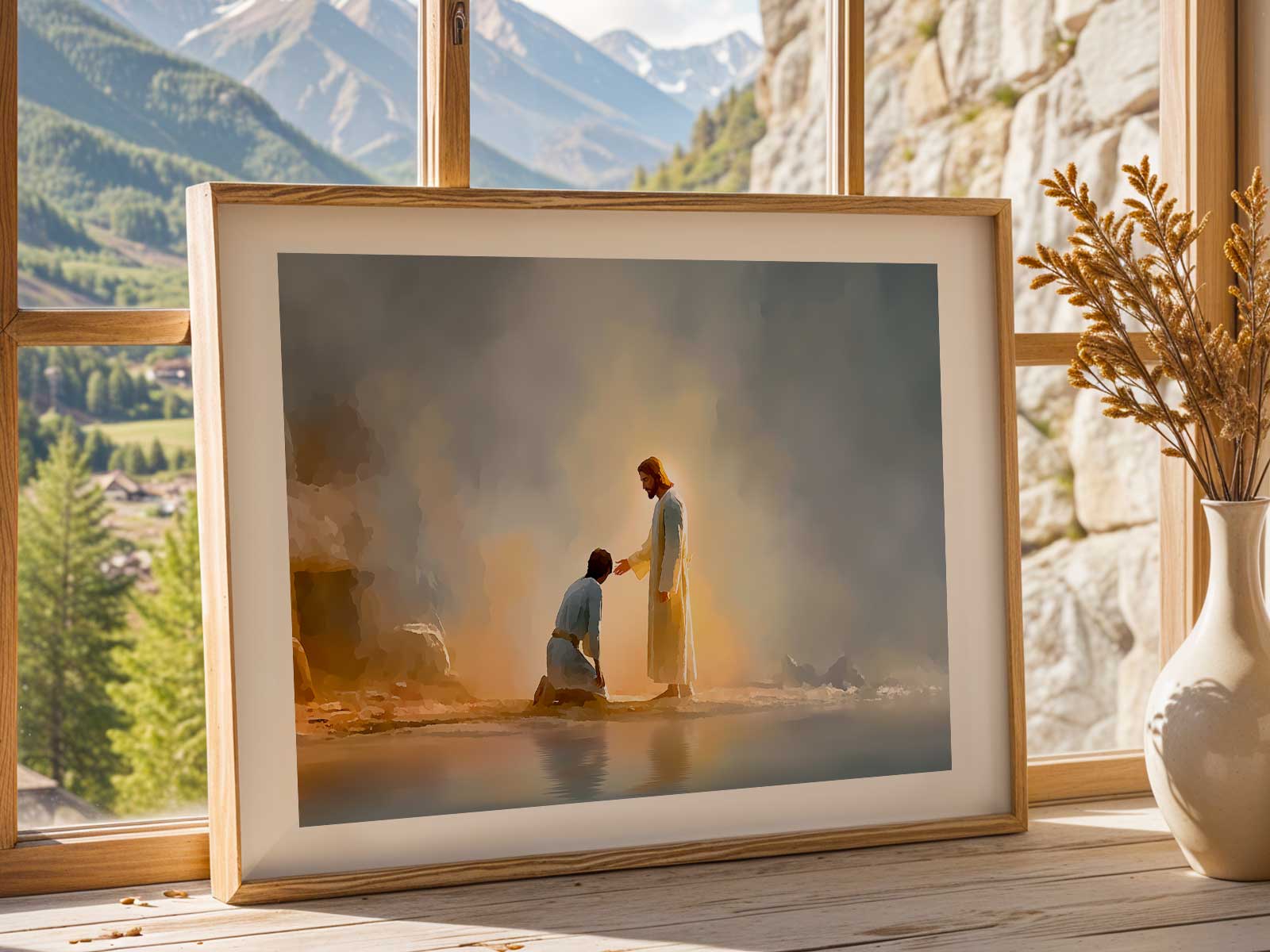
Drawings of Jesus Christ Wall Art: A Sobriety of Line for the Scene...
Digital download
↧ Digital download
Drawings of Jesus Christ Wall Art: A Sobriety of Line for the Scene...
Digital download
 ↧ Digital download
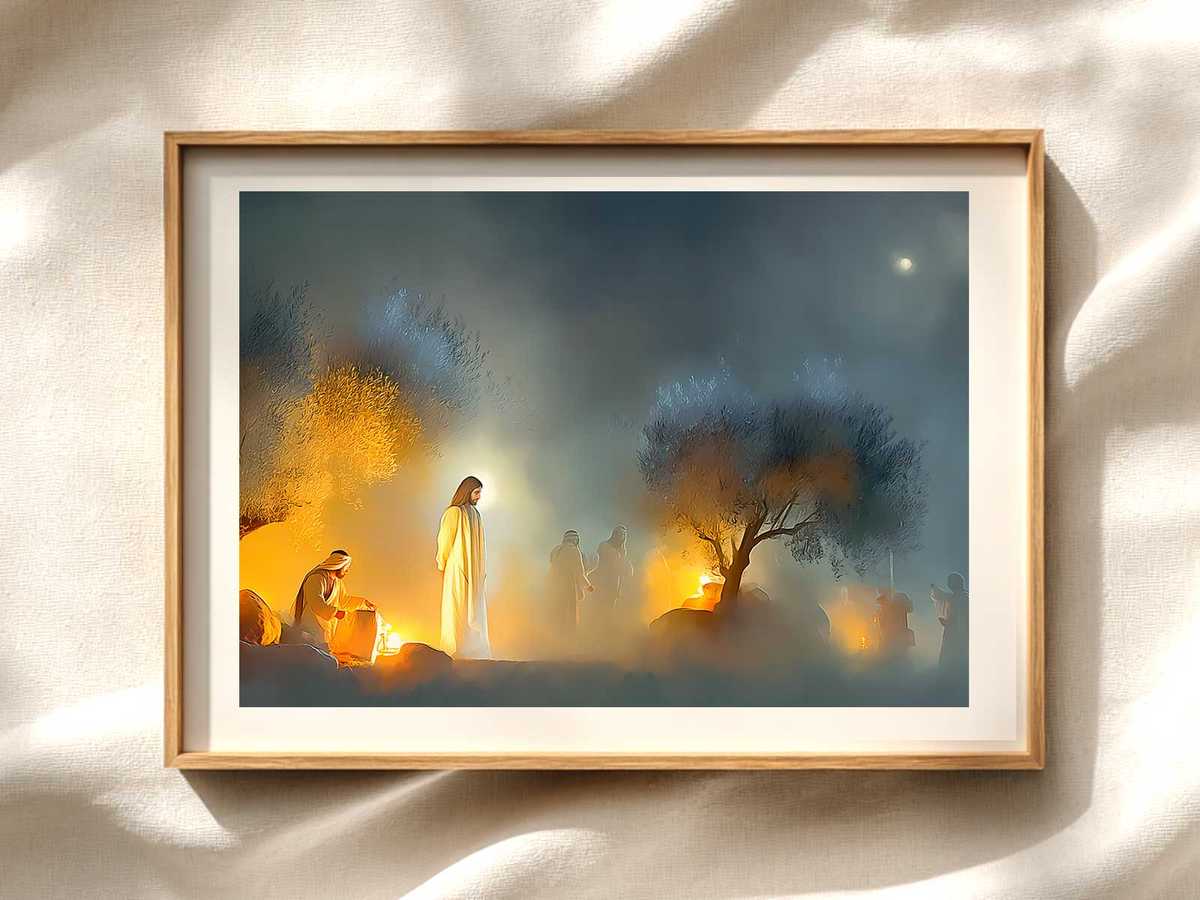
Drawings of Jesus Christ Wall Art: The Arrest and the Quiet...
Digital download
↧ Digital download
Drawings of Jesus Christ Wall Art: The Arrest and the Quiet...
Digital download
 ↧ Digital download
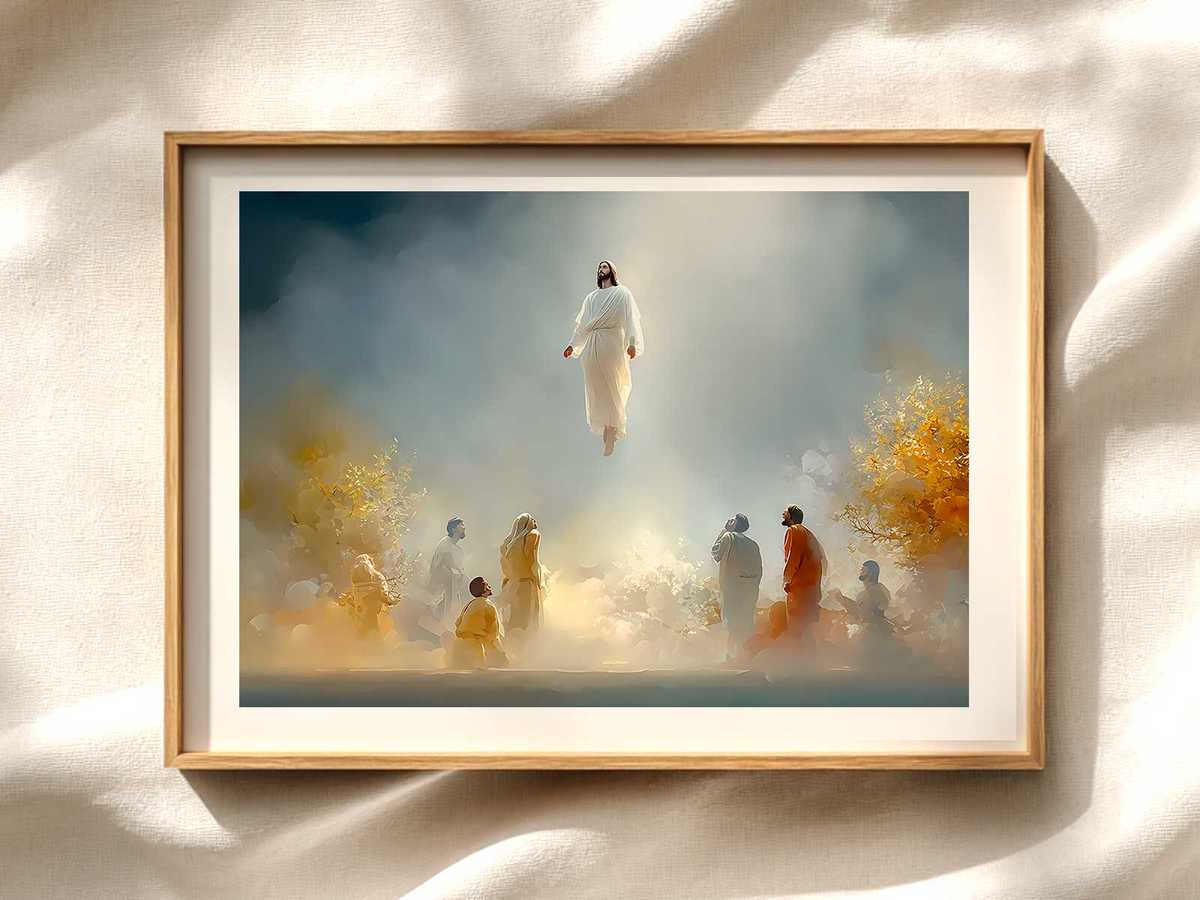
Ascension as a Sign of Light, Hope and Sending — A Famous Christ...
Digital download
↧ Digital download
Ascension as a Sign of Light, Hope and Sending — A Famous Christ...
Digital download