Saint Joseph: Silent Fidelity, Protector of the Holy Family, and the Quiet…
Saint Joseph stands in Christian tradition as a figure defined less by words and more by faithful action. Presented in the Gospels as a righteous man, the husband of Mary and the legal father of Jesus, Joseph embodies a form of holiness shaped by protection, provision, and steady work.
Summary: This article reads Saint Joseph editorially — not as a chronology but as a spiritual and cultural presence whose virtues were highlighted by recent papal teaching and long-standing liturgical recognition.
Reader preview: You will find reflections on the core identity of Saint Joseph, the defining mission remembered in Scripture and tradition, the visual memory of Joseph in Christian art and devotion, and why modern magisterial teaching has renewed attention to his example.
Who this saint is at the core
The verified tradition presents Joseph primarily through two Gospel portraits and later ecclesial emphasis. In Matthew and Luke he appears as a righteous man, a descendant of David in Matthew's genealogy, husband of Mary, and the legal father of Jesus. He is also remembered as the carpenter or worker who cared for and protected the Holy Family. These scriptural and traditional elements form the baseline of how Christians have known him.
The life moment or mission that defines him
Joseph’s defining role is practical and relational rather than rhetorical. The Gospels present him as protector and provider: someone who receives responsibility for Mary and the child, acts to safeguard them, and carries the daily duties of family life. This quiet mission — fidelity in service and acceptance of duty — has been the focus of devotional reflection and ecclesial recognition across centuries.
Symbols, attributes, and visual memory
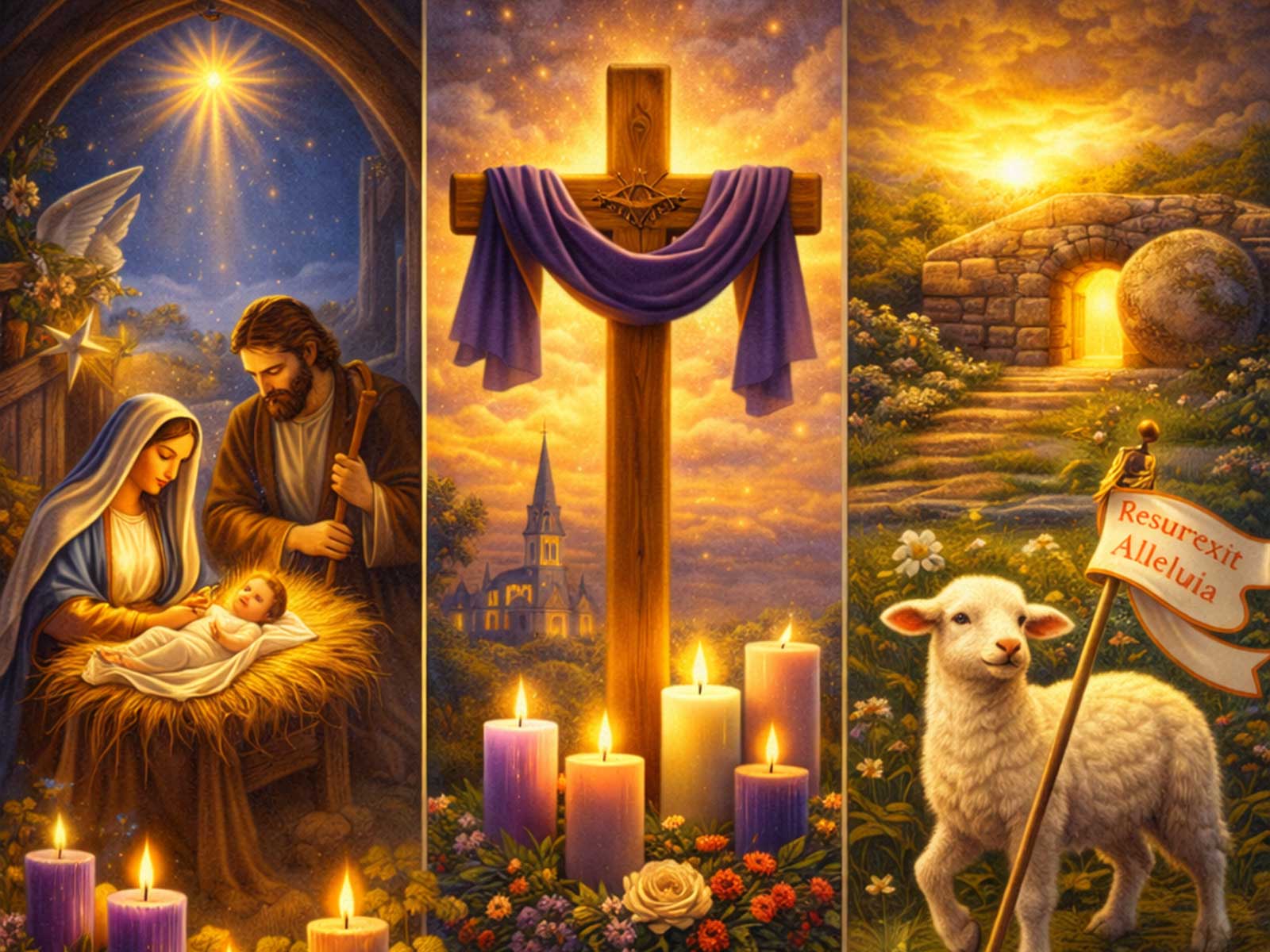
Although specific symbolic attributions can vary in devotional art, the consistent memory is of Joseph as a working, protecting father figure. Artists and devotional imagery tend to emphasize his role beside Mary and Jesus, often showing him engaged in work or in attentive guardianship. That visual memory reinforces the textual portrait: a humble, dependable presence at the heart of the Holy Family.
Why people still turn to Saint Joseph
Modern increased interest in Joseph reflects how his qualities address perennial needs: a model of responsible fatherhood, a patron for workers, and an image of calm service. Papal teaching in recent years, especially the apostolic letter Patris Corde issued by Pope Francis on December 8, 2020, drew attention to Joseph’s virtues of quiet service and fatherly care. That letter also accompanied the proclamation of a Year of Saint Joseph (December 8, 2020–December 8, 2021), renewing reflection on Joseph’s spiritual witness.
Patronage, liturgical recognition, and papal emphasis
Joseph’s liturgical prominence and patronal status have been shaped by the Church’s authority over time. Notably, Pope Pius IX declared Saint Joseph Patron of the Universal Church by decree promulgated on December 8, 1870. Later papal acts further integrated Joseph into the life of the Church: Pope Saint John XXIII inserted Joseph’s name into the Roman Canon (Eucharistic Prayer I) in 1962, and Pope Pius XII instituted the feast of "Saint Joseph the Worker" on May 1, 1955, highlighting Joseph’s association with labor and providing a model for Christian workers.
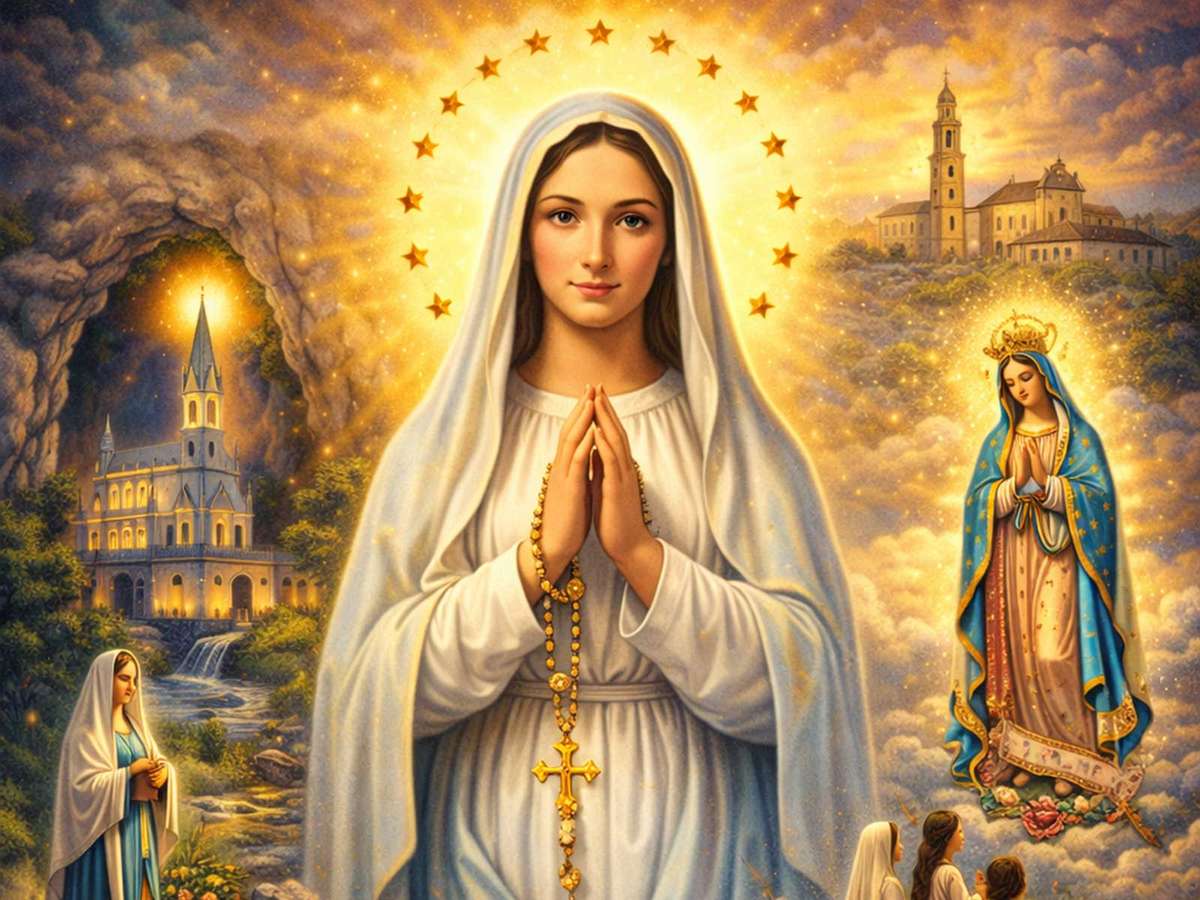
The saint in Christian art and devotion
Devotional practice and art keep Joseph’s image accessible. March 19 has long been celebrated as the feast of "Saint Joseph, Spouse of the Blessed Virgin Mary," and devotional images typically place him in close relation to Mary and the child Jesus. These representations support a devotional focus on familial care and the sanctity of ordinary work rather than on dramatic public ministry.
What makes the figure feel present today
The contemporary presence of Joseph arises from a combination of scriptural portrait, liturgical recognition, and recent papal emphasis. Patris Corde and the Year of Saint Joseph invited renewed attention to his fatherly qualities and the spiritual value of quiet service. Likewise, the association with workers and the Church’s naming of Joseph as patron of the universal Church make him a figure whose example crosses social, vocational, and liturgical lines.
A quiet closing reflection
Saint Joseph endures not because of dramatic acts recorded in abundant detail, but because the Christian tradition finds in him a stable model of righteous fidelity: legal fatherhood to Jesus, committed guardianship of Mary and the child, and the dignity of honest labor. Papal declarations and liturgical placement have amplified these traits, inviting Christians to consider how faithful, often unseen service shapes both family life and the life of the Church.
Notes: Key liturgical markers include the March 19 feast (Saint Joseph, Spouse of the Blessed Virgin Mary) and May 1 (Saint Joseph the Worker). Important papal actions: Pius IX's 1870 declaration of Joseph as Patron of the Universal Church; Pius XII's 1955 institution of the worker feast; John XXIII's inclusion of Joseph in the Roman Canon; Pope Francis's Patris Corde (Dec 8, 2020) and the Year of Saint Joseph (Dec 8, 2020–Dec 8, 2021).