The Wedding at Cana: John’s Account of Jesus’ First Sign and Mary’s Quiet…
The Wedding at Cana is the evangelic scene in John 2:1–11 where Jesus performs his first sign by turning water into wine. John presents the episode as the "beginning of signs" that revealed Jesus' glory and led his disciples to believe.
This article stays close to the Gospel account and to longstanding theological reflections that read the Cana episode both as a concrete intervention and as a revealing sign.
THE SCENE AND ITS HUMAN NEED
John locates the event at a wedding in Cana of Galilee. A practical problem arises: the wine has run out. In the narrative this shortfall matters socially and ceremonially for a wedding feast, and it becomes the immediate human need to which the story attends.
MARY'S ROLE AND DISCREET MEDIATION
In John’s telling Mary, the mother of Jesus, alerts him to the shortage and then instructs the servants, "Do whatever he tells you." This has been read in tradition and by magisterial reflections as a form of discreet mediation. Mary brings the need before Jesus and then directs others to obey him, without staging a public demand.
WHAT HAPPENS IN THE MIRACLE
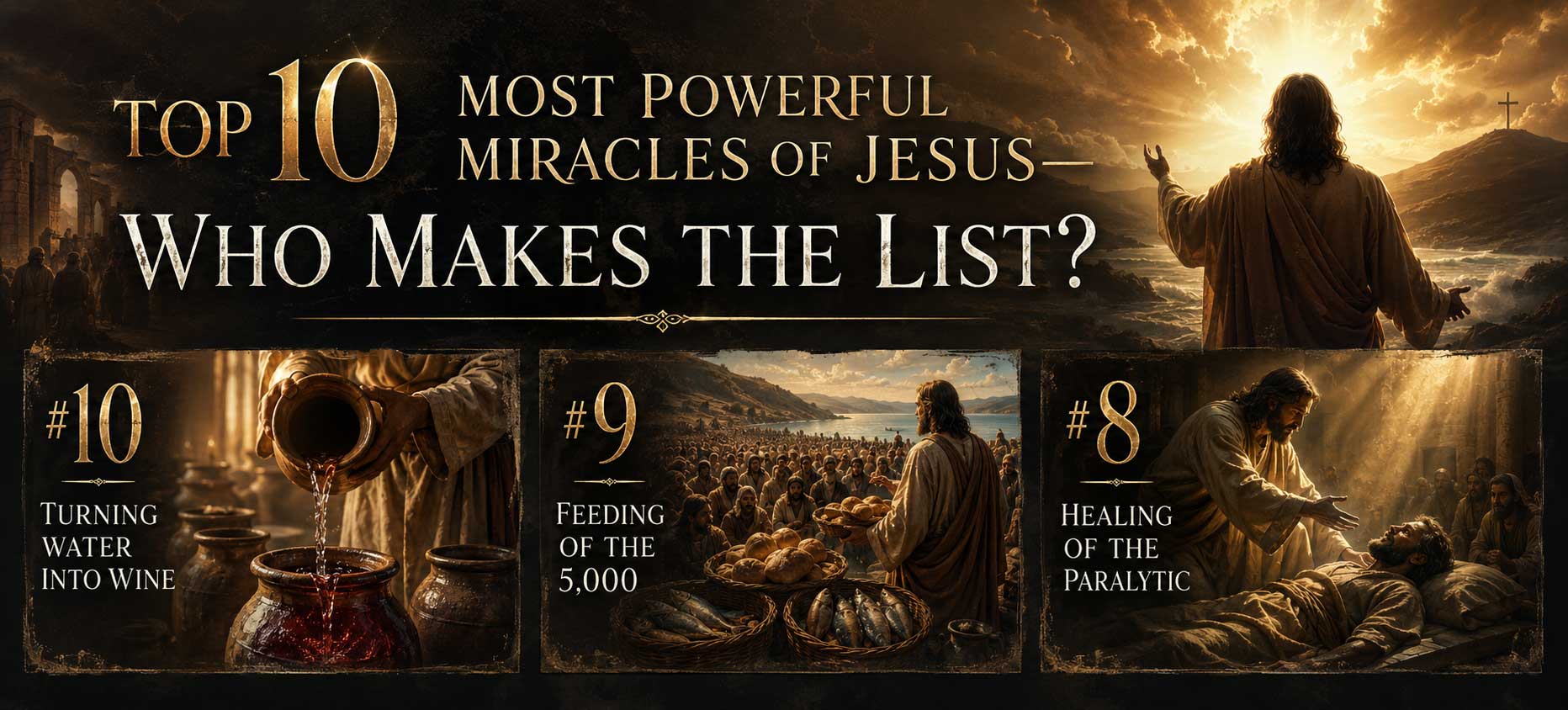
Jesus instructs the servants to fill several stone jars with water; he then tells them to draw some out and take it to the steward of the feast. The steward tastes the liquid and recognizes it as wine. John frames the episode as a sign: it both meets a concrete need for the wedding and serves to reveal something about Jesus.
WHAT JOHN EMPHASISES
John explicitly calls the event the "beginning of signs" and says it revealed Jesus' glory, leading his disciples to believe. The evangelist therefore structures the narrative to show this act as more than a helpful deed: it inaugurates Jesus’ public signs in John’s theology and points toward his identity and mission.
CONCRETE CARE AND SYMBOLIC READING
Scholars and tradition note both the concrete and symbolic dimensions in John's account. Literarily, the jars, the abundance of wine, and the steward's reaction support reading the episode as a careful response to a social need that simultaneously functions as a revealing sign. Magisterial commentary often links the scene to broader sacramental or Eucharistic imagery and to themes of transformation.
LOCATION AND HISTORICAL NOTES
The Gospel places the event in Cana of Galilee, but the precise modern identification of that site is disputed. Several locations, including Kafr Kanna and Khirbet Qana, have been proposed; scholars remain divided based on archaeological and historical arguments. The uncertainty about the exact site does not affect the theological emphasis John gives to the episode.
WHY THE STORY MATTERS TODAY
The Wedding at Cana matters in John’s Gospel because it is presented as the opening sign that reveals Jesus’ glory and prompts belief. It also continues to be significant in Christian reflection because it combines attention to a concrete human need with a portrayal of discreet, effective mediation by Mary—a dual emphasis that has informed later theological readings and devotional use.
A QUIET FINAL INTERPRETATION
Staying close to John 2:1–11 shows a scene both ordinary and theologically pointed: an immediate lack at a wedding is met by Jesus in a way that John calls a sign, while Mary’s role models a form of mediation that brings need to Christ and then trusts his direction. For John, the episode thus opens the public ministry of signs that reveal who Jesus is and invite belief.
For readers seeking the primary source, John 2:1–11 contains the full evangelic narrative of the Wedding at Cana.