Lamb of God Meaning: Biblical Roots, Sacrificial Symbolism, and Sacred Imagery
The phrase "Lamb of God" (Agnus Dei) is one of Christianity's most resonant images. It names Jesus in a way that connects New Testament proclamation, Old Testament sacrificial themes, liturgical prayer, and a long visual tradition in church art. Understanding the Lamb of God meaning helps readers see how Scripture, worship, and images work together to express both sacrifice and victory.
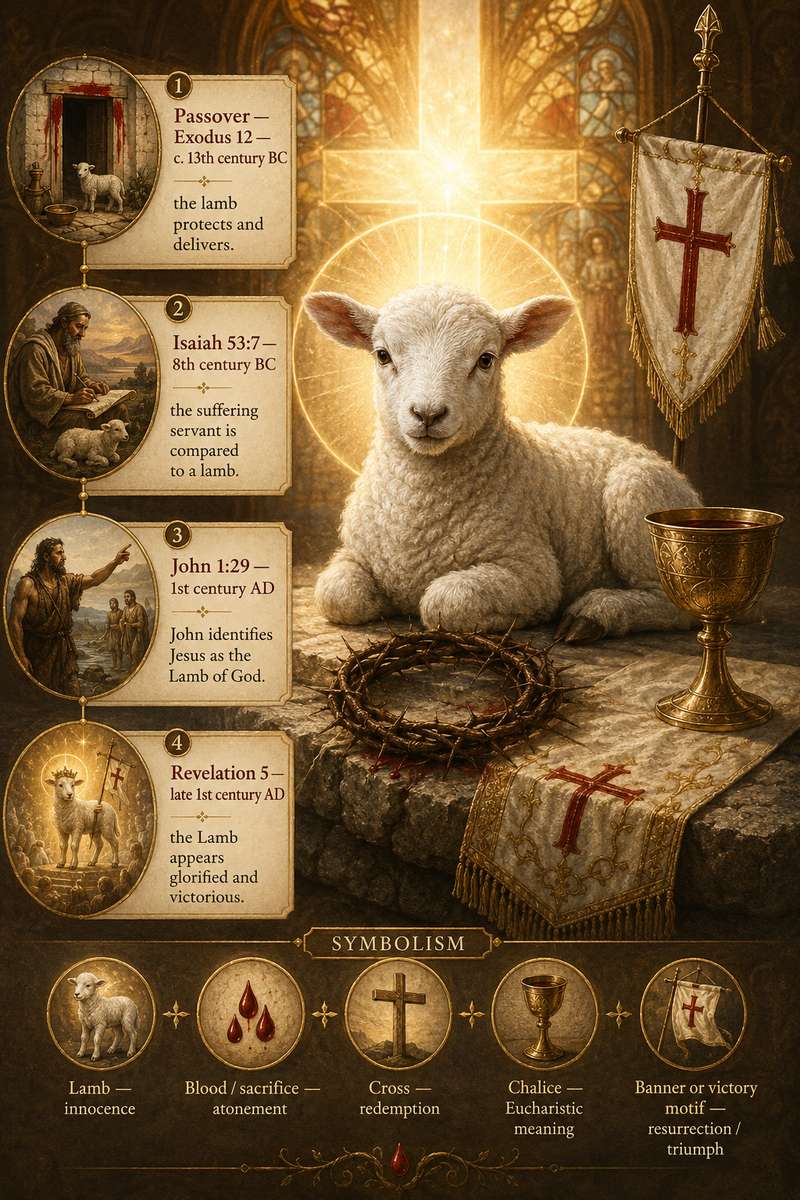
Quick summary: John the Baptist calls Jesus "the Lamb of God" in the Gospel of John. The image draws on Old Testament sacrificial ideas such as the Passover lamb and Isaiah's suffering servant, appears in Revelation as a slain but risen Lamb, and is used liturgically as the Agnus Dei in Western worship. In art the Lamb appears both living with a cross or banner and as the slain Lamb.
Quick access: Definition • Biblical roots • Liturgy • Sacred art
Clear definition
At its simplest, the Lamb of God meaning is a title applied to Jesus that evokes sacrificial giving and atonement. The explicit New Testament use of the phrase occurs when John the Baptist identifies Jesus as "the Lamb of God" who takes away the sin of the world. This short title carries layers of theological and devotional resonance rooted in earlier Scripture and later worship.
Biblical roots
The New Testament phrase appears in the Gospel of John (John 1:29 and John 1:36), where John the Baptist points to Jesus with those words. The lamb image in Christian thought draws on Old Testament sacrificial themes. Two especially important antecedents are the Passover lamb from Exodus 12 and the portrait of the suffering servant in Isaiah (commonly associated with Isaiah 53). Early Christian interpreters and New Testament writers connected these Old Testament motifs to Jesus, seeing him as fulfilling sacrificial and redemptive roles.
Lamb in Revelation and apocalyptic language
The Book of Revelation repeatedly portrays Christ as a Lamb who has been slain yet stands triumphant. Phrases such as "the Lamb that was slain" and references to "the blood of the Lamb" use the lamb image to combine the ideas of sacrifice and victory, especially within scenes of worship and heavenly liturgy in the apocalyptic vision.
Liturgy and the Agnus Dei
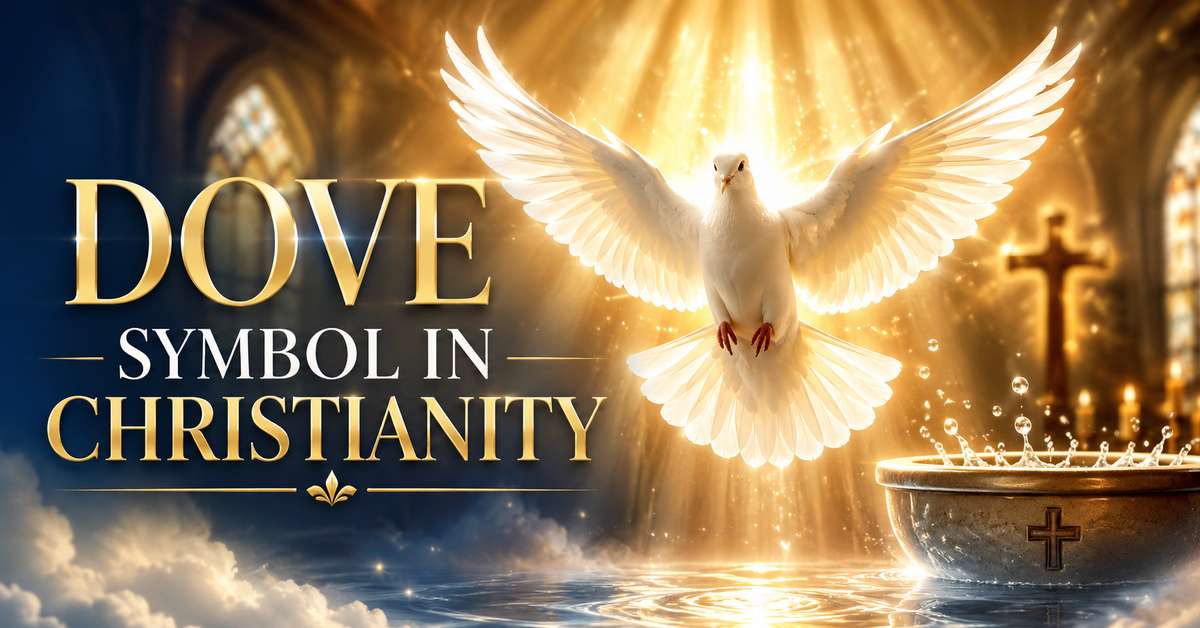
In Western Christian worship the Latin phrase Agnus Dei ("Lamb of God") is an established liturgical invocation. It traditionally appears during the fraction of the Eucharist in Roman Catholic, Anglican, and Lutheran rites, where it is sung or recited while addressing Christ as the Lamb who takes away sin. The Agnus Dei connects the communal act of remembrance in the liturgy with the biblical language of atonement and redemption.
Sacred art and visual symbolism
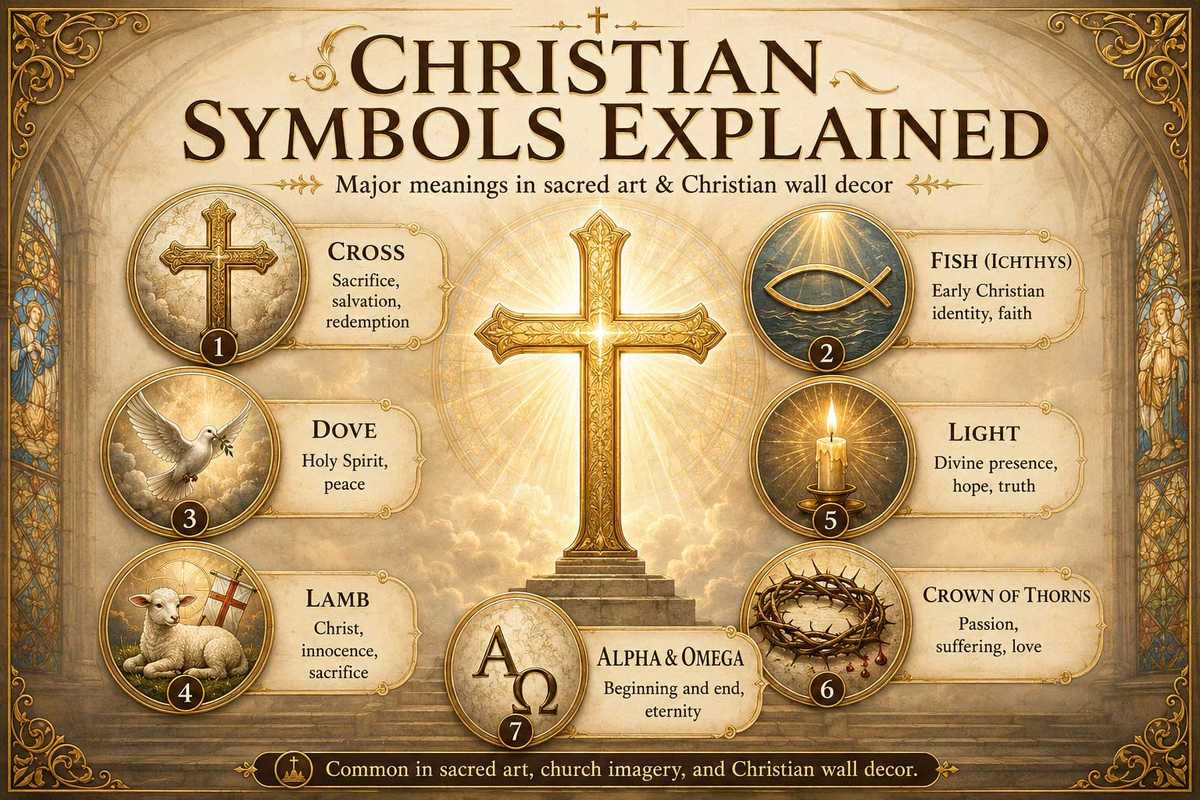
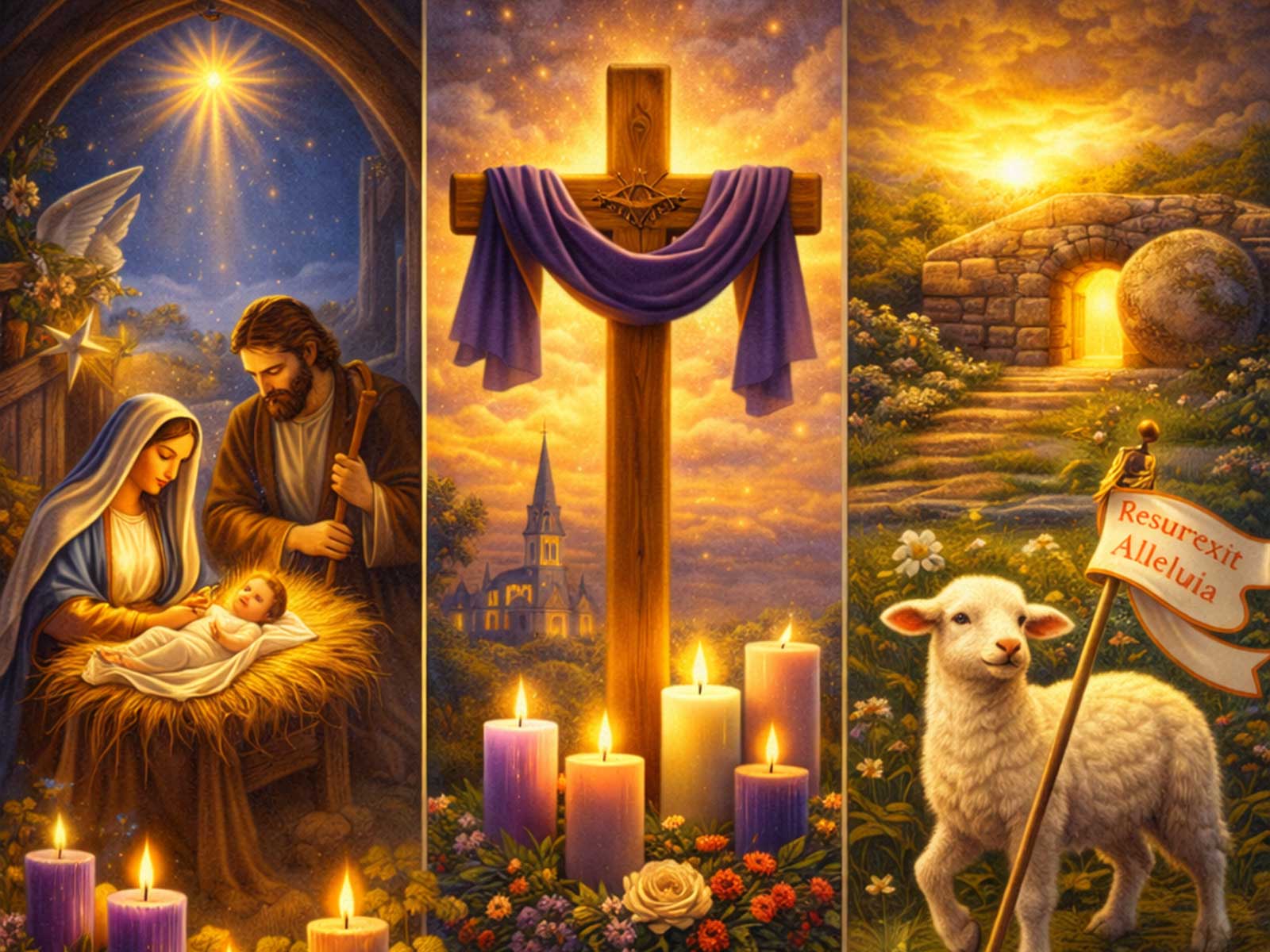
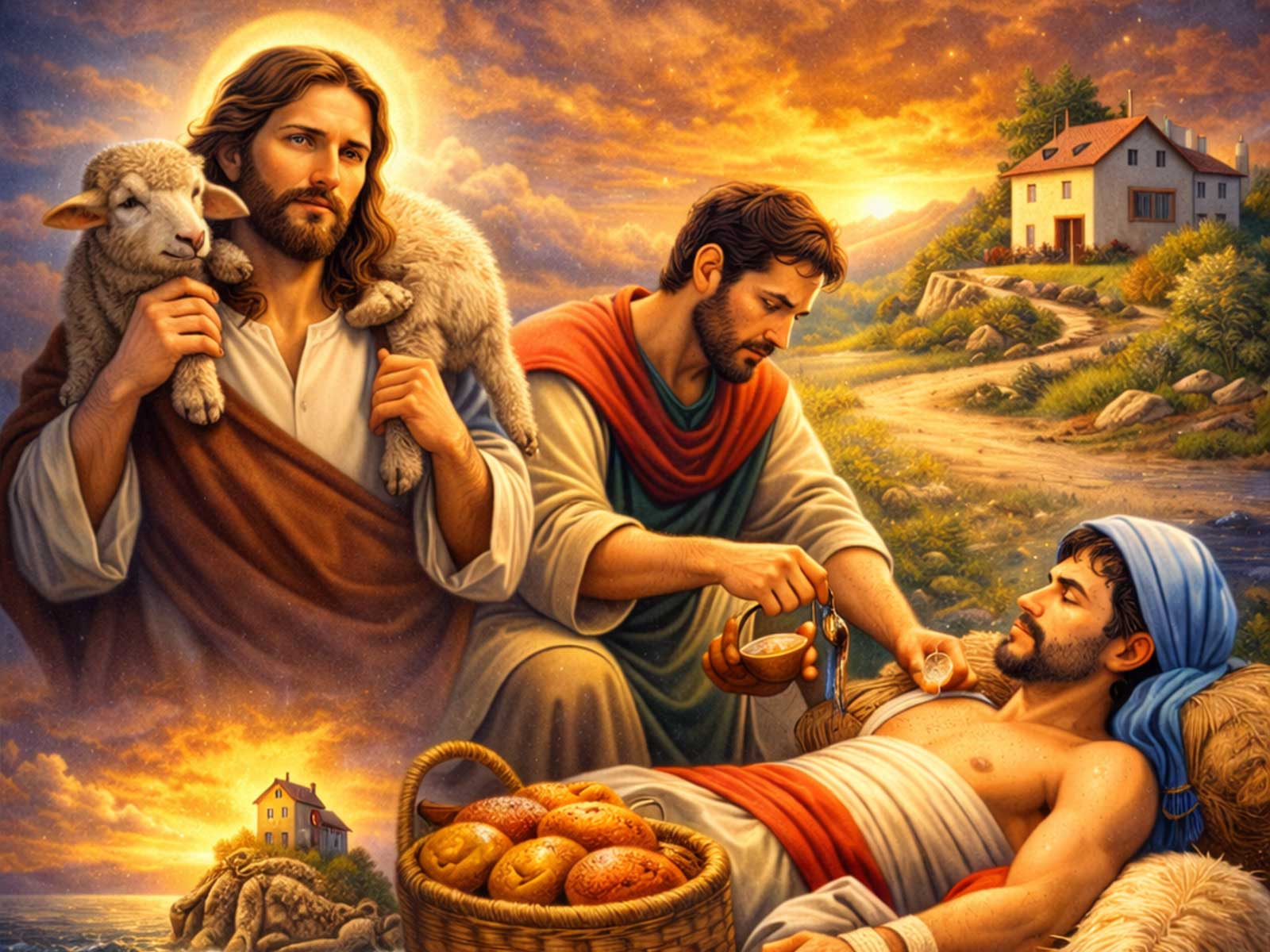
Christian art commonly represents the Lamb of God in two main ways. One is a living lamb bearing a cross or banner, an emblematic image used across Western Christian visual tradition to signify Christ's victory and kingship. The other is the slain Lamb, an image derived from Revelation that emphasizes sacrificial atonement. Both types became widespread symbols of Christ and appear in icons, paintings, stained glass, and liturgical objects.
Prayer, devotion, and home imagery
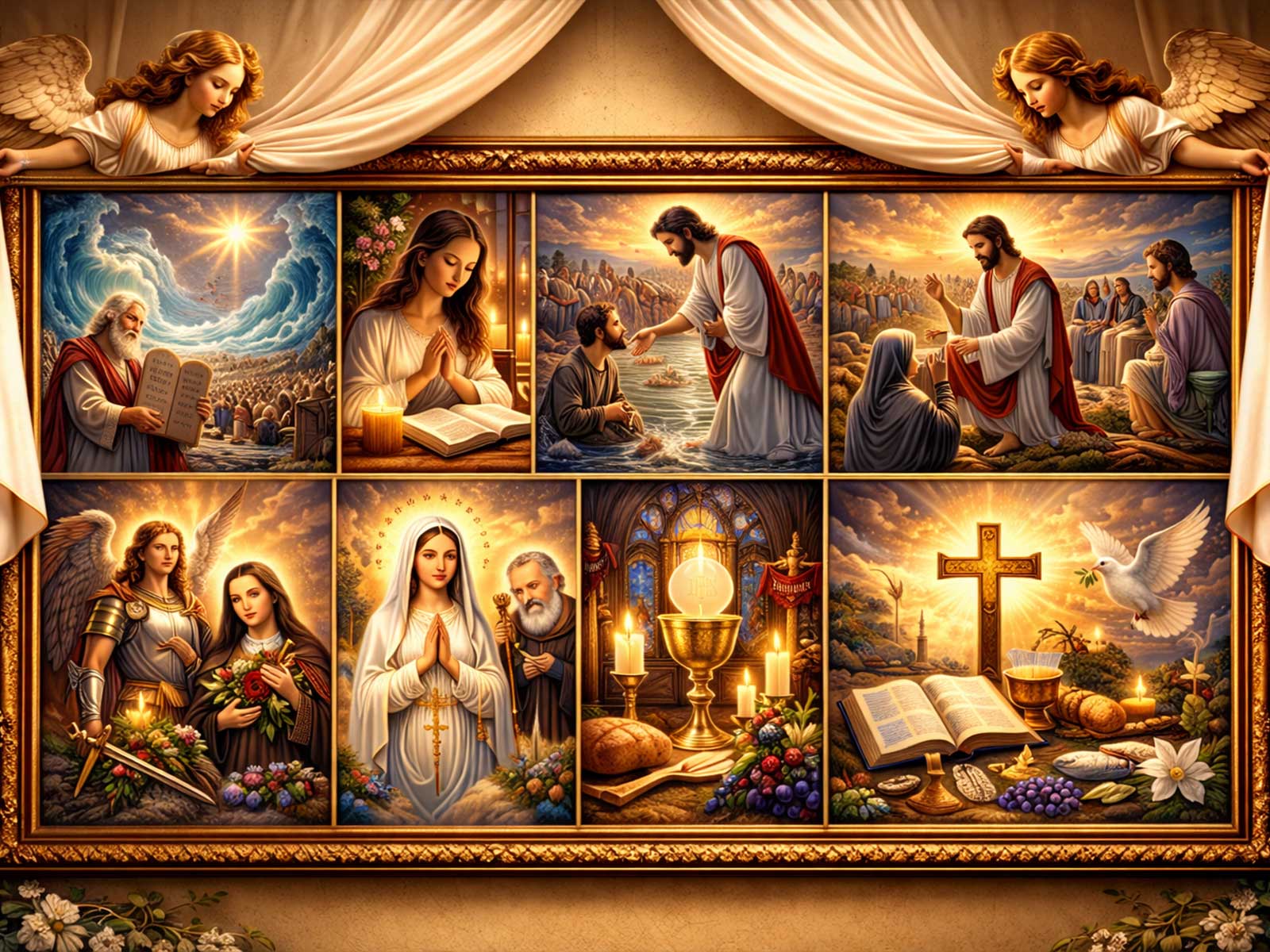
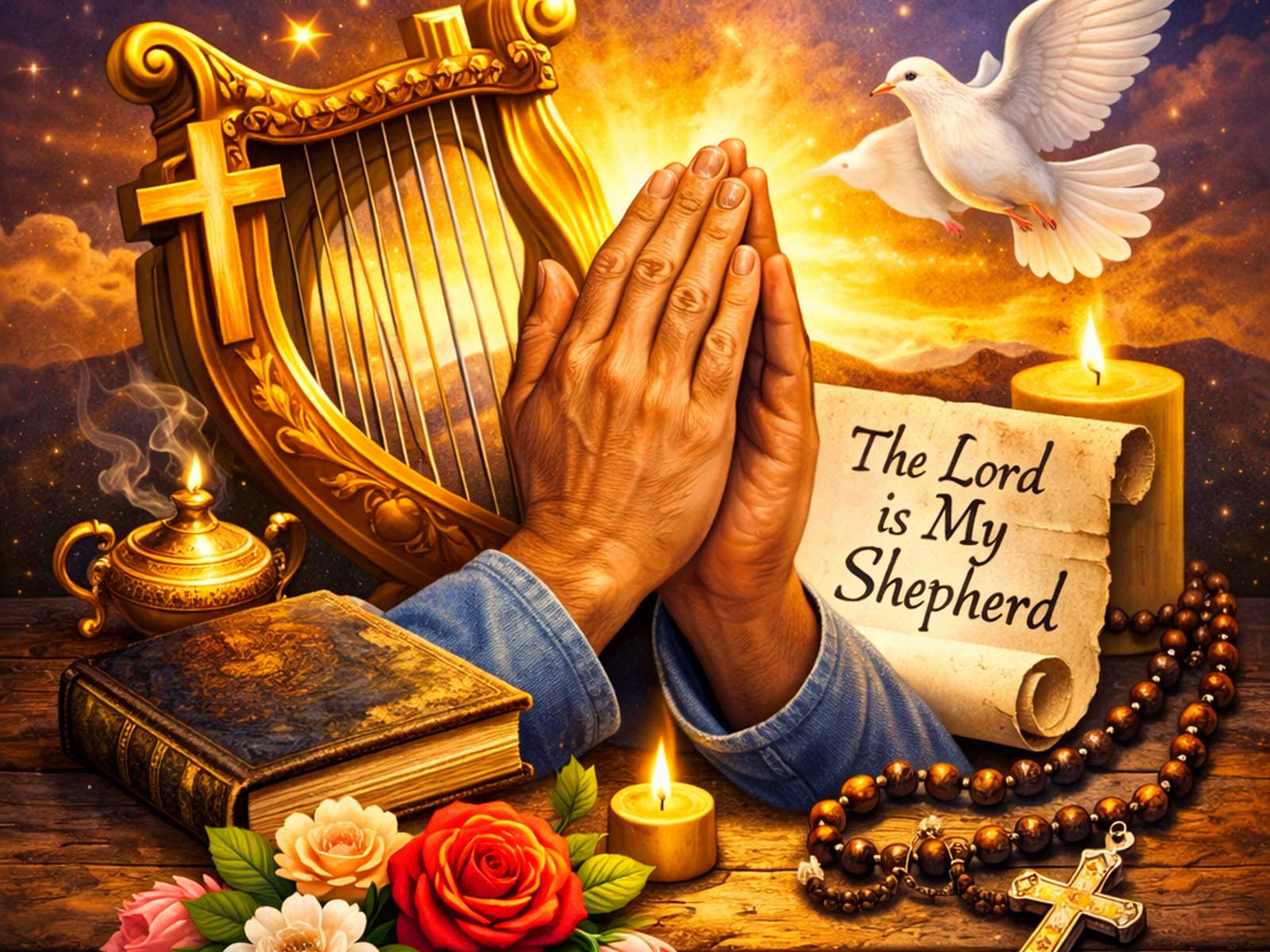
Because the Lamb of God ties Scripture to worship, the image serves devotional purposes: it recalls Christ's atoning work, invites worshipful silence, and shapes Eucharistic reflection. In home prayer corners or on Christian wall art, the lamb image can function as a visual shorthand for themes of mercy, sacrifice, and triumph—helping families and individuals link daily devotion to wider Christian worship traditions without reducing the image to mere decoration.
Common misunderstandings
One misunderstanding is to treat the lamb only as a sentimental animal image. The verified tradition behind the title emphasizes sacrificial and liturgical meaning, not merely pastoral charm. Another is assuming a single uniform interpretation across all Christian communities; while the core connections—to John the Baptist's words, Old Testament typology, and Revelation—are central, devotional emphasis and liturgical practice may vary among traditions.
Closing interpretation
The Lamb of God meaning ties together biblical proclamation, Old Testament imagery, the apocalyptic praise of Revelation, and corporate worship in the Agnus Dei. In sacred art the lamb appears both wounded and triumphant, inviting viewers to reflect on sacrifice, redemption, and praise. For readers considering Christian wall art or a home prayer space, an image of the Lamb of God can be a compact reminder of how Scripture, liturgy, and visual culture converge to shape Christian faith and devotion.
Author: Cynthia D.