Dove Symbol Meaning in Christianity: Holy Spirit, Peace, and Baptismal Imagery
The dove is one of the most recognisable images in Christian visual language. Rooted in Scripture and long-standing iconography, the dove is most often used to suggest the Holy Spirit and to evoke peace; it appears repeatedly in baptismal imagery, stained glass, altarpieces, and other devotional settings.
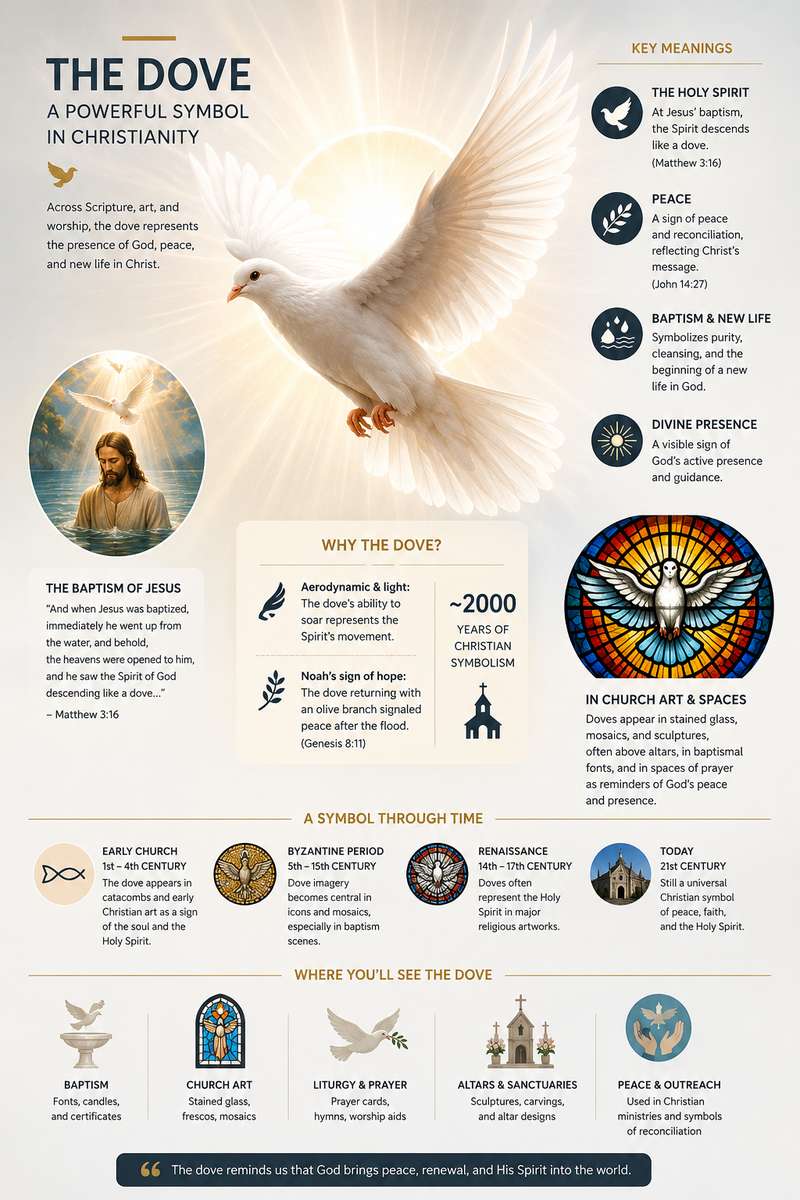
Quick summary: The New Testament records the Spirit descending "like a dove" at Jesus' baptism (Matthew 3:16; Mark 1:10; Luke 3:22; John 1:32), a passage that underpins the dove as a symbol of the Holy Spirit. The dove also recalls Genesis 8:11, where a dove brings an olive leaf to Noah, making the bird a sign of peace. These biblical images explain why artists and churches use the dove in baptismal scenes and prayer spaces.
Quick access: Definition • Biblical roots • Sacred art • Home devotion • Closing interpretation
Clear definition
In Christian usage the dove functions primarily as a visual shorthand. It commonly represents the Holy Spirit and, by extension, qualities associated with the Spirit such as gentleness and presence. The dove is also a symbol of peace because of the account in Genesis where a dove returns to Noah's ark with an olive leaf, signalling the retreat of the Flood and the restoration of the earth.
Biblical roots
The New Testament provides the decisive text for the dove-Holy Spirit link: all four Gospels record the Holy Spirit descending "like a dove" at the baptism of Jesus (Matthew 3:16; Mark 1:10; Luke 3:22; John 1:32). That scene became the foundational biblical reason Christians associate the dove with the Spirit.
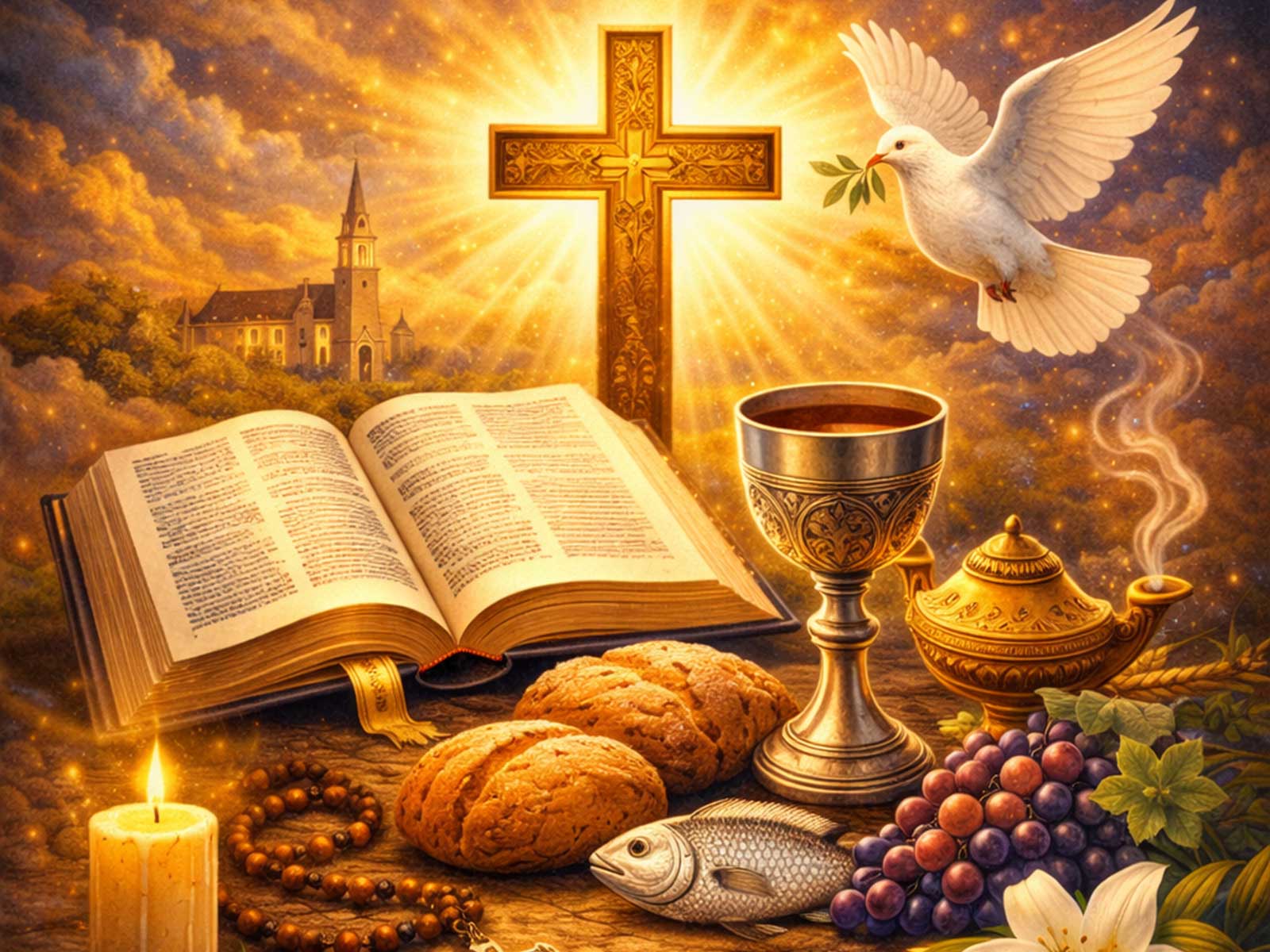
Earlier Scripture supplies the peace dimension. In Genesis 8:11 a dove brings an olive leaf to Noah, a gesture remembered in Judeo-Christian tradition as a sign that floodwaters were abating and life was being renewed; the olive branch and the dove together became shorthand for reconciliation and peace.
Spiritual meaning
Spiritually, the dove points to God's presence and action rather than to the bird itself. As a symbol of the Holy Spirit it suggests quiet, inward movement and divine affirmation—qualities readers often connect with baptismal grace and the Spirit's guidance. As a symbol of peace, the dove recalls restoration between God and creation and the hope of renewed life.
Christian symbolism
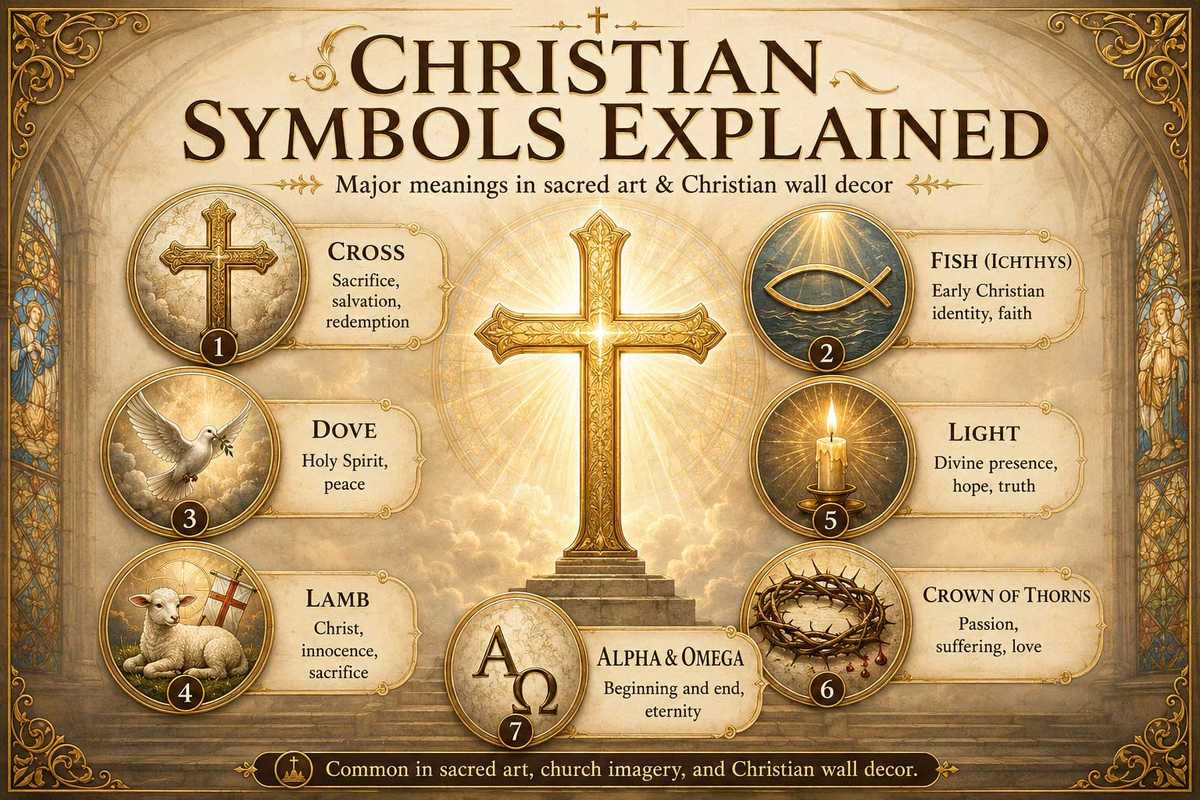
Christian iconography uses simple visual cues to convey complex theological ideas. The dove's downward movement often stands for the Spirit coming upon a person or a community. When paired with an olive branch, the image evokes the Genesis story and the theme of peace. The Catechism of the Catholic Church explicitly notes that Christian iconography traditionally uses the dove to suggest the Spirit, reflecting both biblical witness and long-standing artistic practice.
Sacred art and visual language
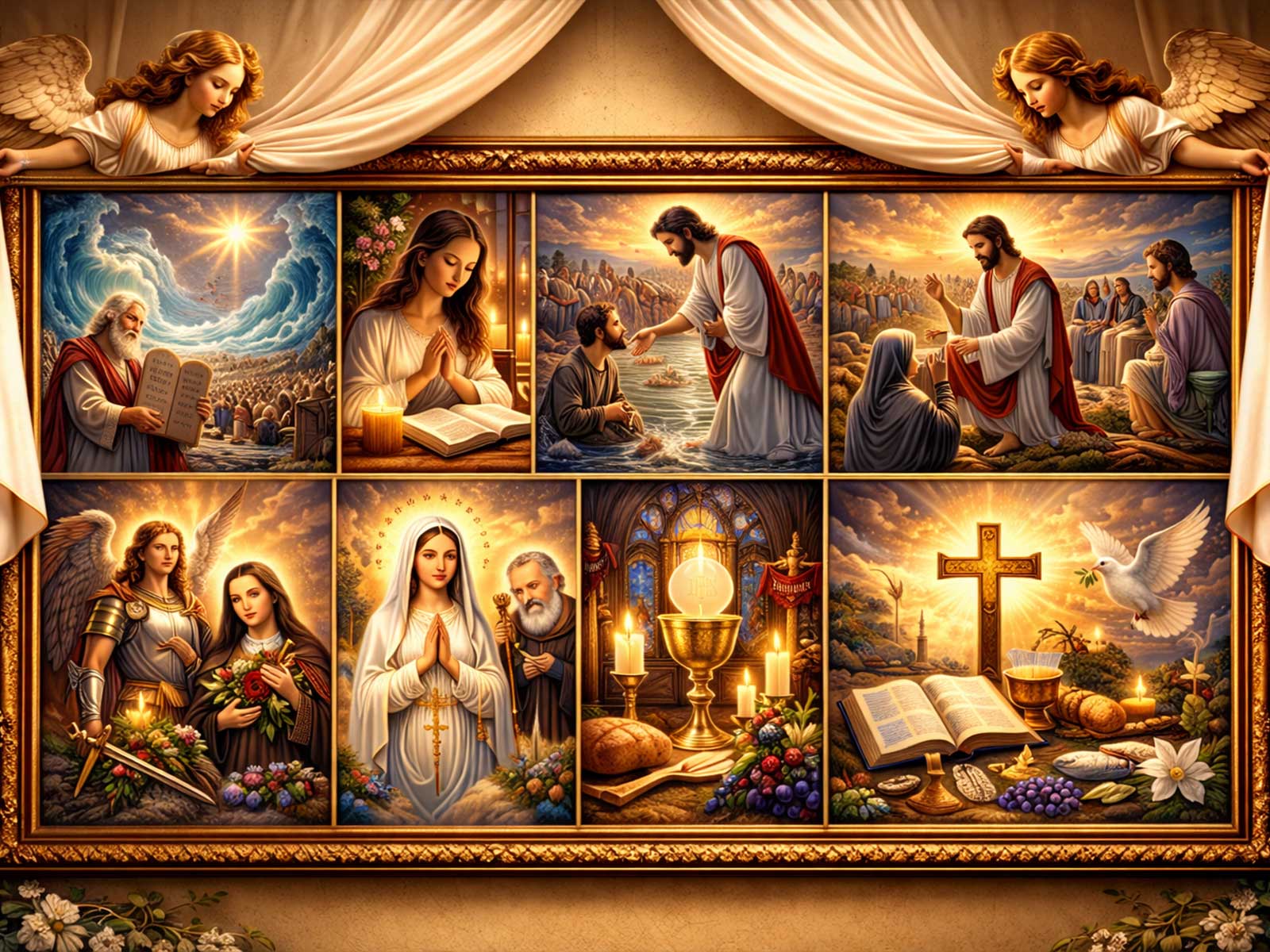
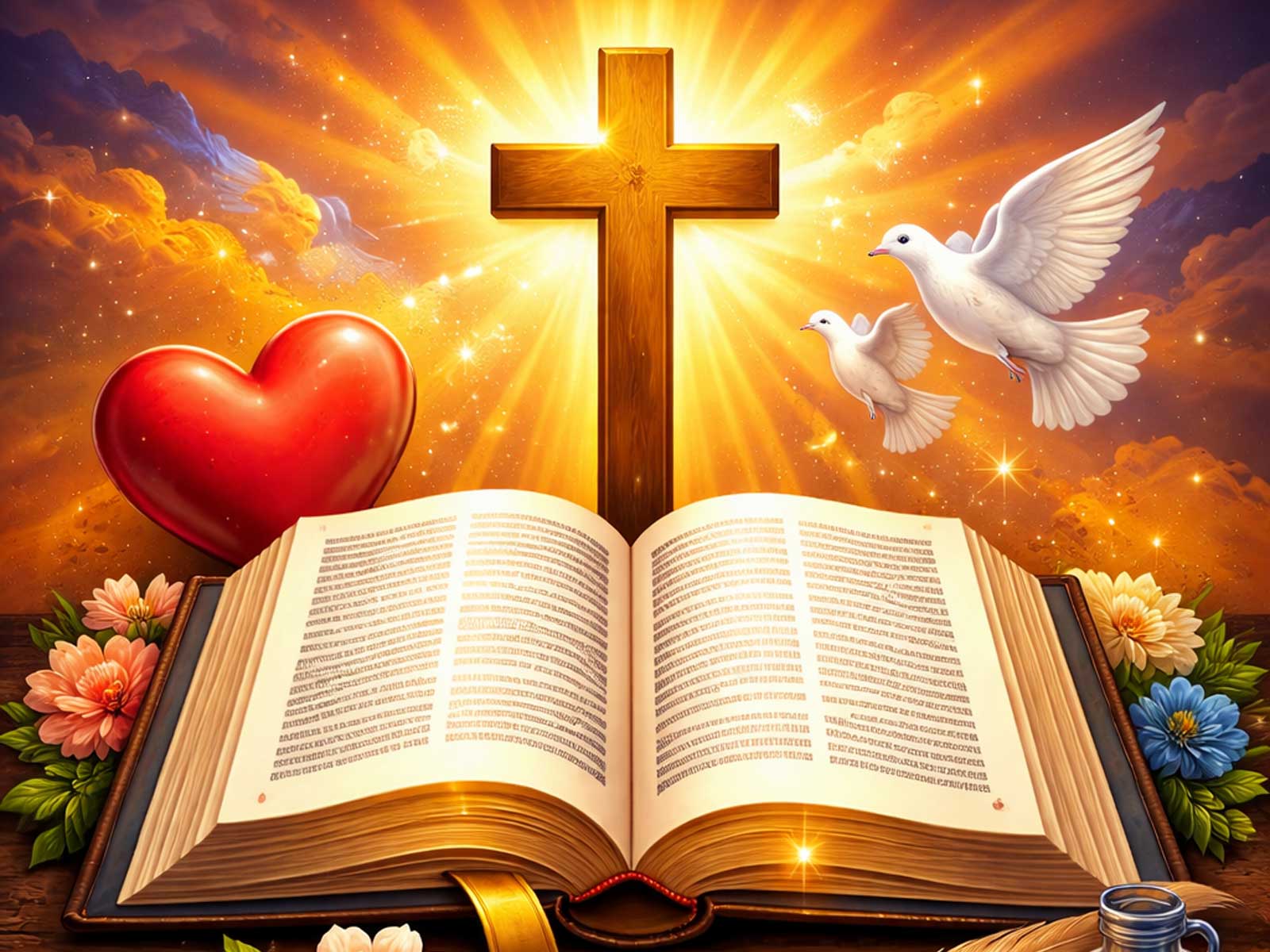
From early Christian catacomb paintings to later medieval and modern works, the dove appears in scenes of baptism, in depictions of Pentecost, and on liturgical objects. Artists place the bird above Christ at his baptism or above a font to show the Spirit's presence at the sacrament. In stained glass and altarpieces the dove often functions as a focused emblem: its shape, haloed glow, or descending posture signals divine action in a visually immediate way.
Liturgy and tradition
Because the Gospel baptism accounts are central to Christian sacramental theology, the dove is naturally frequent in baptismal rites' visual culture. Churches use dove imagery in baptisteries, on font covers, in liturgical banners, and in materials that accompany the sacrament. Scholarly and reference works on iconography document the long use of the dove across Eastern and Western traditions, including baptistery decoration and Pentecost imagery.
Prayer and home devotion
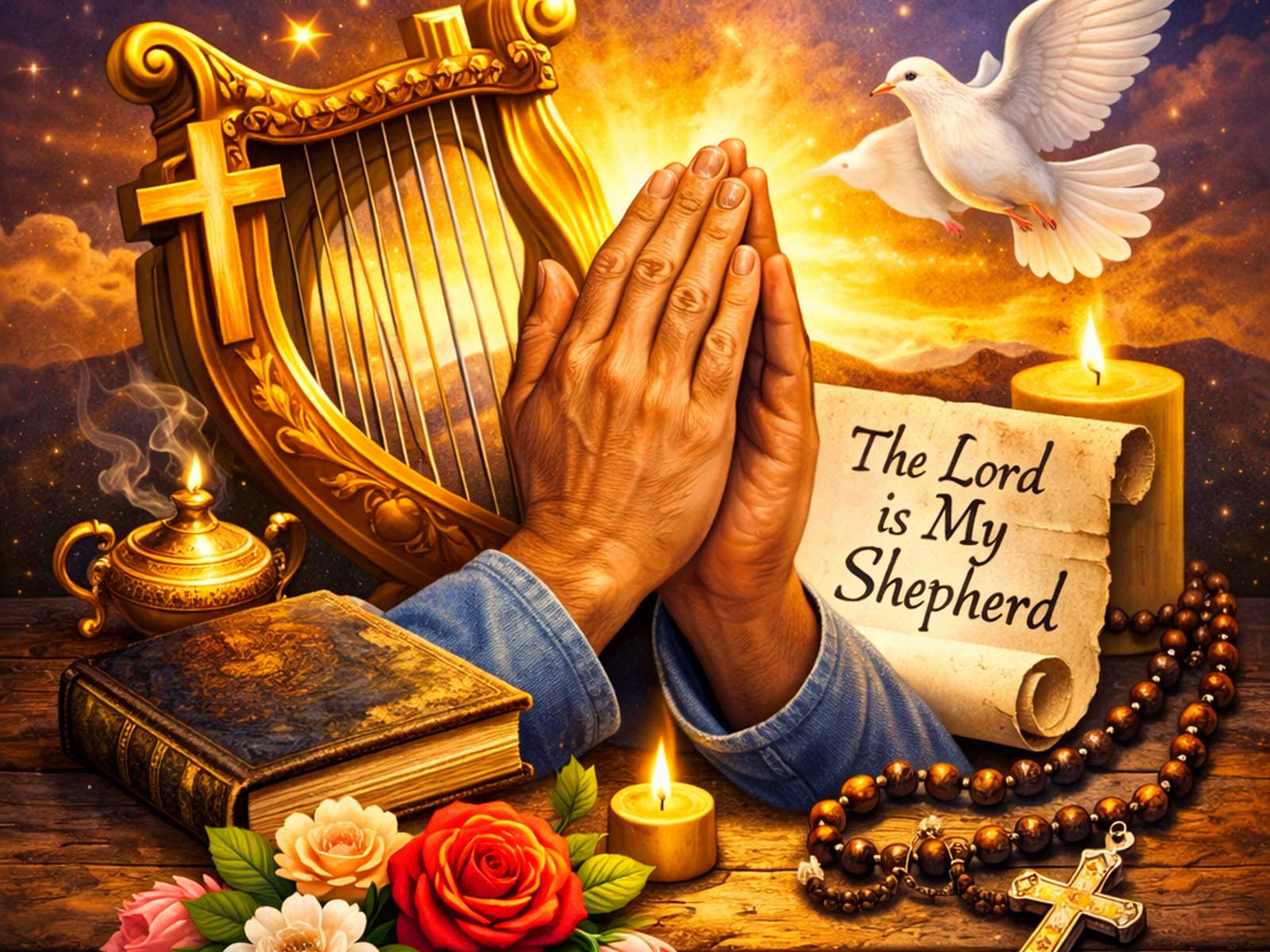
In domestic prayer spaces, a dove image can serve as a quiet reminder of God's presence and peace. Placing a print or small artwork that features a dove above a family prayer corner or near a baptismal photograph can help link personal memory to the biblical images of the Spirit and Noah's dove. Used thoughtfully, the symbol supports reflection on baptism, reconciliation, and the Spirit's comforting presence.
Common misunderstandings
A few confusions are common. First, the dove is a symbol, not a literal claim about the Spirit's physical form; the Gospels describe the Spirit "like a dove" rather than identifying the Spirit as a bird. Second, the dove's peace meaning stems specifically from the Noah narrative and the olive leaf motif; it is not a generic secular peace sign but a rooted biblical memory. Finally, the dove in art can appear alongside other symbols of the Spirit (fire, wind) and should be read within the whole image.
Closing interpretation
The dove symbol meaning in Christianity unites two biblical memories: the Spirit descending at Jesus' baptism and the dove with an olive leaf at the end of the Flood. Together these images shape a rich visual language that communicates God's presence, peace, and restorative action. Whether encountered in a church's stained glass, a baptismal font, or a quiet wall print at home, the dove invites reflection on the Spirit's gentle coming and on the hope of reconciliation.
Author: Eric M.