Immaculate Heart of Mary Meaning: Devotion, Symbols, and Sacred Art
The Immaculate Heart of Mary is a Roman Catholic devotional title that points to Mary’s interior life — her joys, sorrows, virtues, and virginal love for God, Jesus, and humanity. Understanding this phrase helps readers see how prayer, biblical reflection, and visual symbols come together in Marian devotion and Christian wall art.
Quick summary: The Immaculate Heart refers to Mary’s interior life and loving cooperation in salvation history. Visual attributes—heart, flame, sword(s), and flowers—express love, sorrow, and purity and appear often in Catholic sacred art and devotion.
Quick access: Definition • Symbols • Sacred art • Prayer and home devotion
Clear definition
In Roman Catholic devotional language, the Immaculate Heart of Mary names Mary’s inner life: her feelings, virtues, and devoted love for God and humanity. The adjective "immaculate" connects to the theological background that Mary was preserved from original sin, and the phrase as a whole highlights her maternal, compassionate love and her role in salvation history.
Biblical roots
The devotion draws on scriptural and traditional signs of Mary’s interior life. Passages that reflect Mary’s hidden spiritual experience and Simeon’s prophecy that a sword would pierce her soul are commonly cited as biblical foundations for attending to Mary’s heart. These scriptural themes help explain why sorrow and maternal love are central to the devotion.
Spiritual meaning
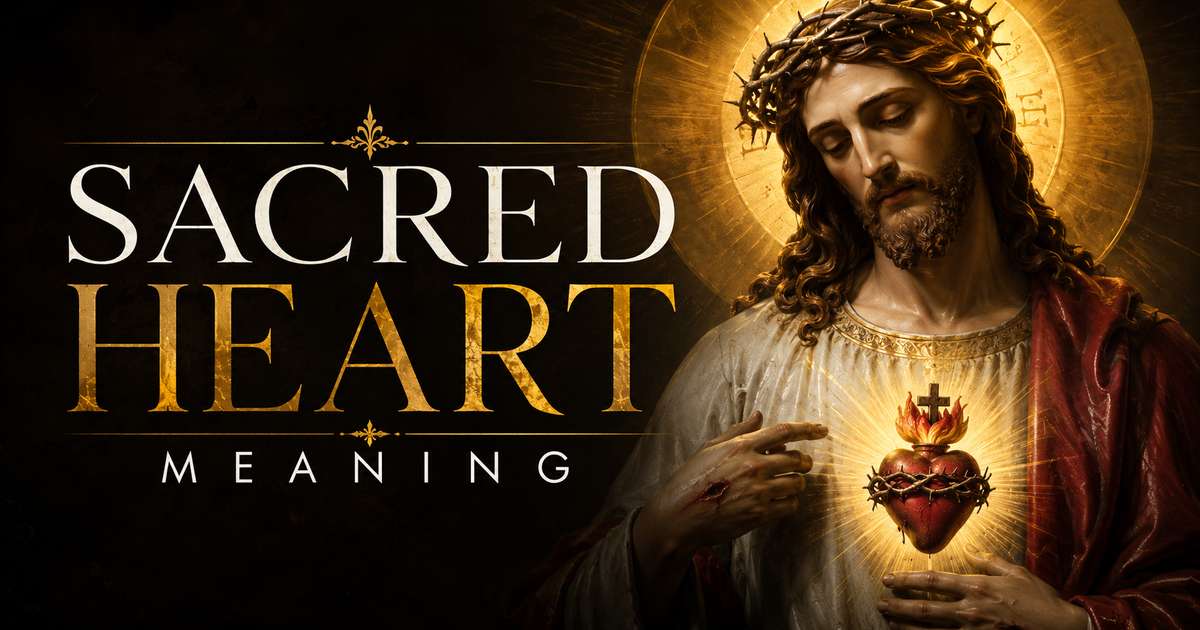
Devotion to the Immaculate Heart emphasizes Mary’s virginal love, her virtues, and a compassionate, maternal participation in the work of salvation. It is closely linked to the Sacred Heart of Jesus: together they express a shared pastoral focus on love, reparation, and the hearts of Jesus and Mary as sources of consolation and intercession.
Christian symbolism
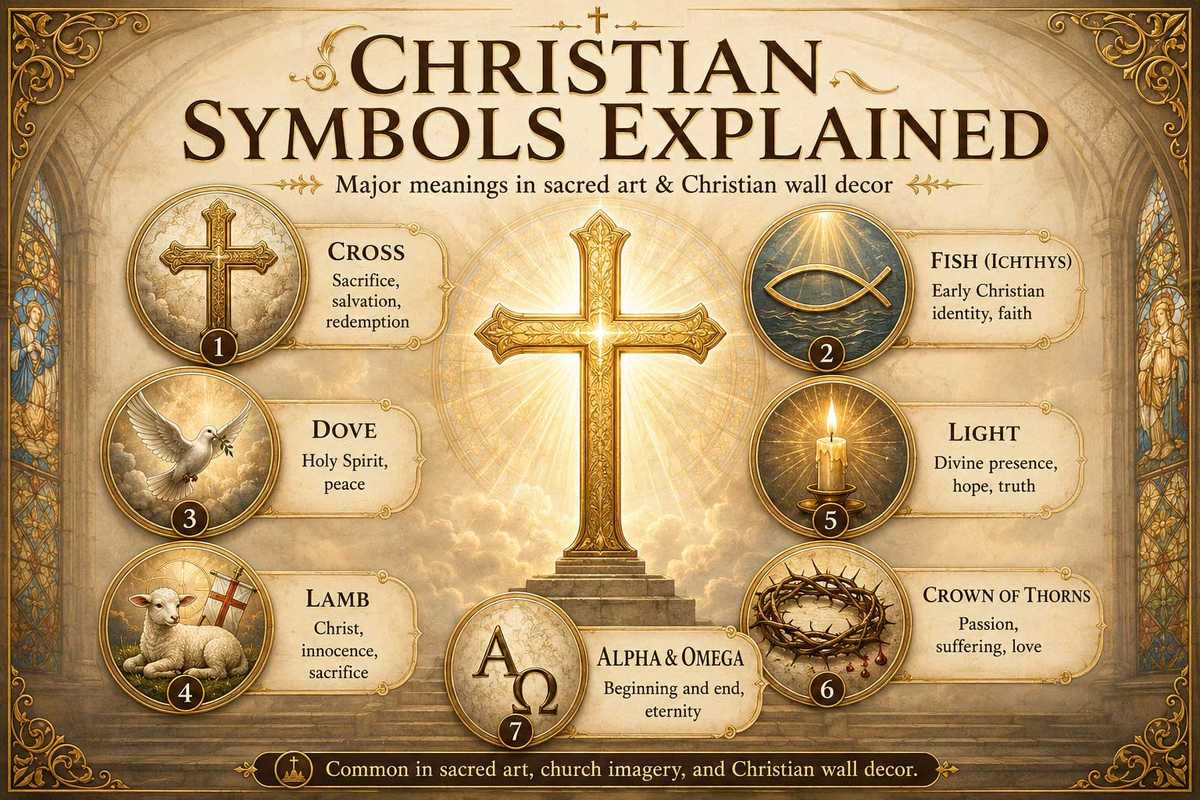
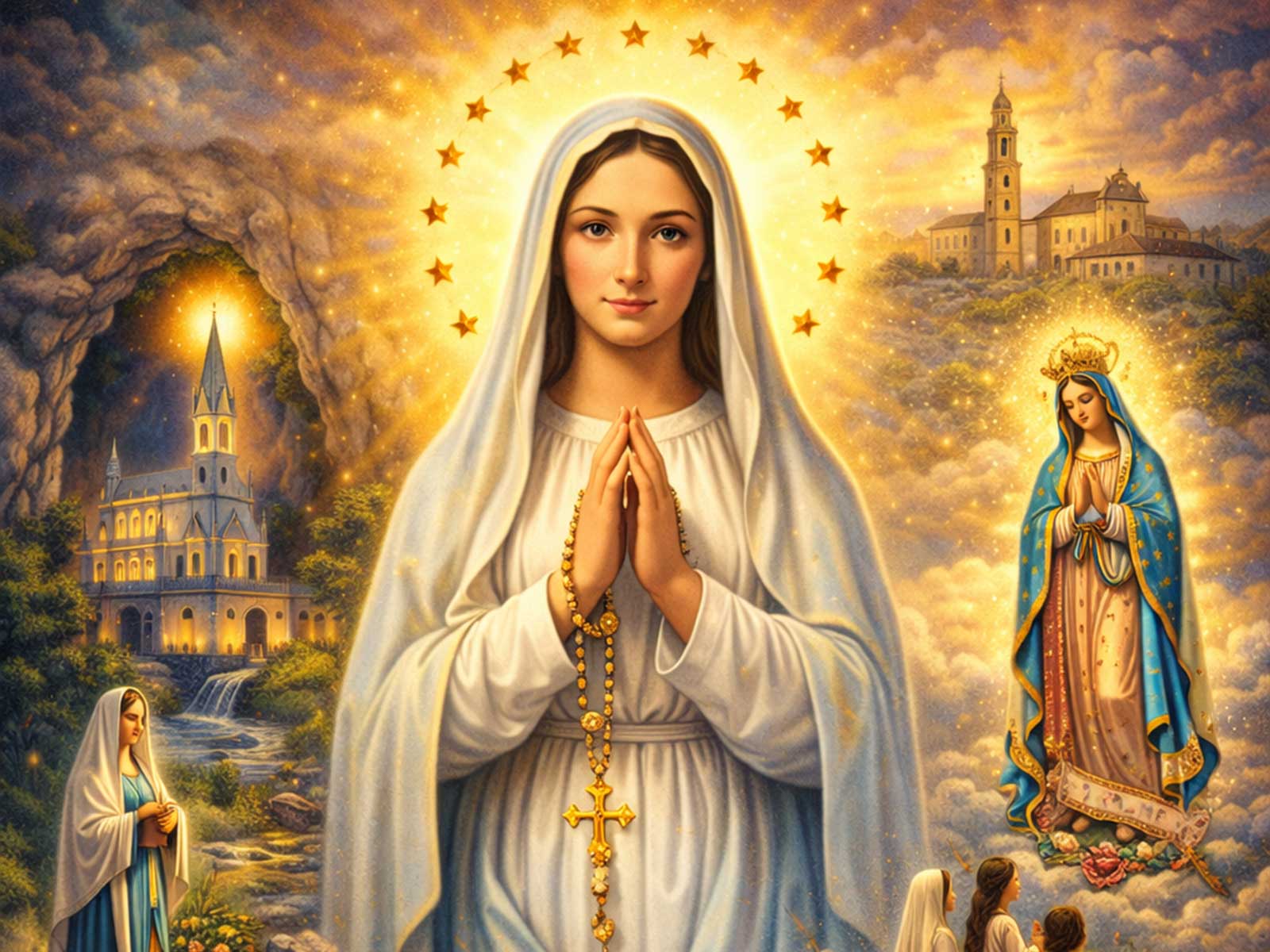
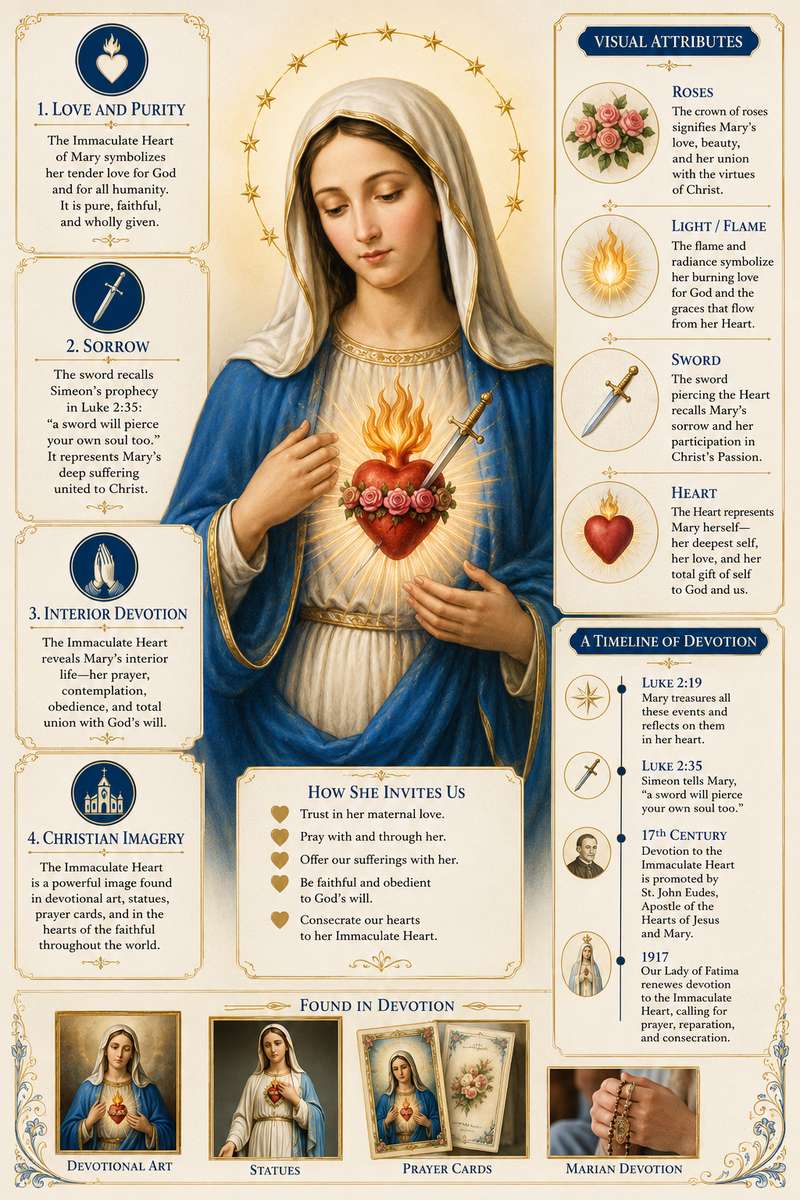
Artists and devotional images use a handful of stable symbols to communicate the Immaculate Heart’s meaning. A visible heart on Mary’s chest points to her interior life; a flame symbolizes ardent love; a sword or swords recall Simeon’s prophecy and signify sorrow; and flowers such as lilies or roses indicate purity and gentle love. These motifs make the theological ideas tangible in image form.
Sacred art and visual language
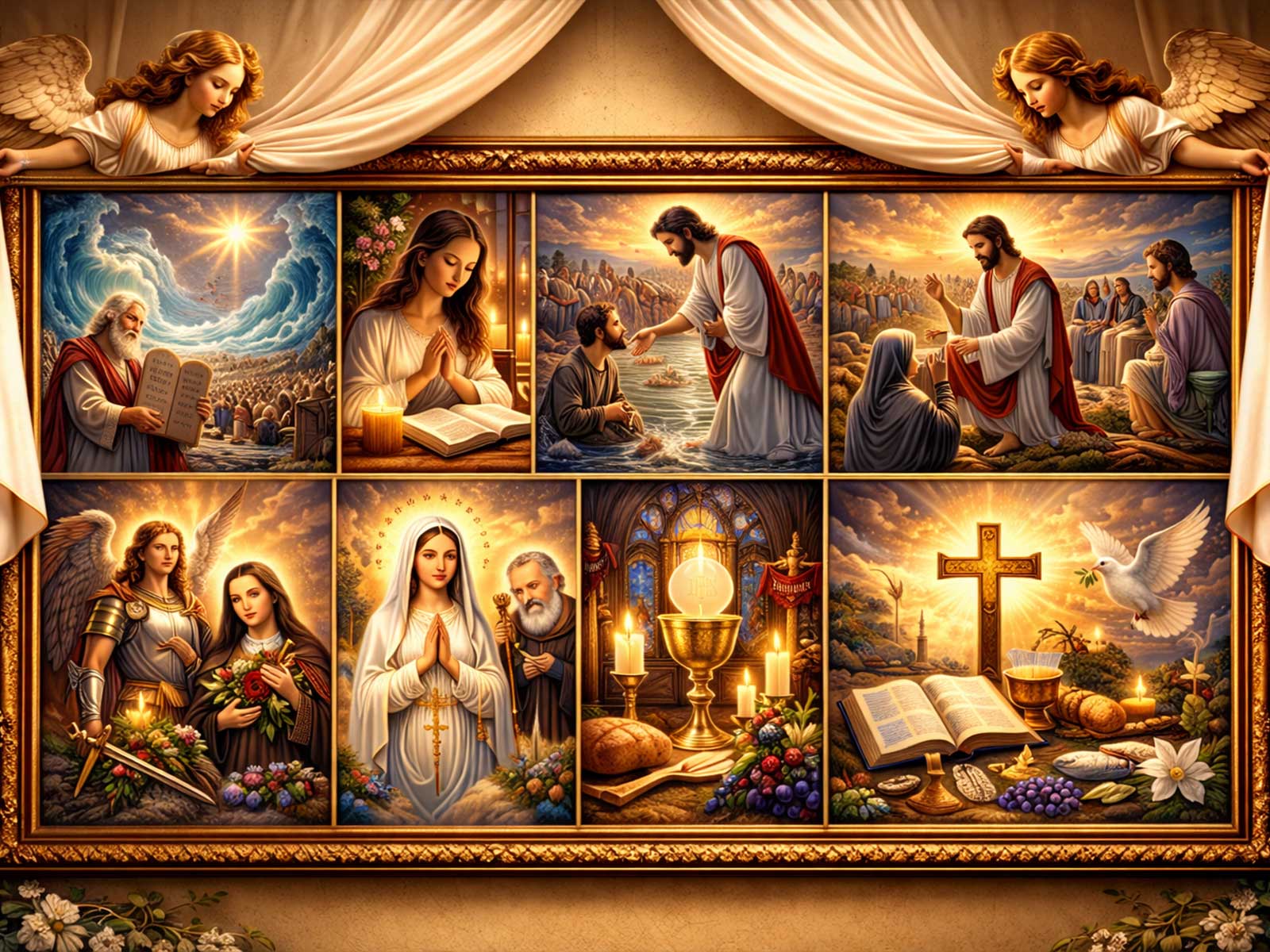
The Immaculate Heart appears in icons, paintings, stained glass, prints, and devotional images. Compositional choices—placement of the heart, the presence of a flame, a pierced heart, or surrounding flowers—guide how viewers read Mary’s love and sorrow. In Catholic pictorial tradition the Immaculate Heart is often paired visually with the Sacred Heart of Jesus to underline their spiritual relationship.
Prayer and home devotion
Because the devotion focuses on interior life and compassion, it naturally supports personal prayer, communal devotions, and home prayer corners. Images of the Immaculate Heart can invite reflection on maternal love, consolation in sorrow, and imitation of virtues. In Catholic practice the devotion is also reflected in liturgical and pastoral references to Mary and in texts that discuss Marian doctrine.
Historical context
While references to Mary’s heart appear in earlier patristic commentary, the formal, popular devotional emphasis on the Immaculate Heart developed more fully in later centuries and became associated with saints, congregations, and devotional movements. The Immaculate Conception dogma and broader Marian devotion provide theological background for the word "immaculate" in the title.
Common misunderstandings
One common misunderstanding is to treat the image as merely sentimental decoration. Though visually attractive, the Immaculate Heart is a theological and devotional symbol: it names Mary’s interior response to God and her compassionate role toward humanity. Also, while the devotion is especially prominent in Roman Catholic practice, details of emphasis and liturgical expression can vary by tradition.
Closing interpretation
The Immaculate Heart of Mary meaning brings together Scripture, doctrine, prayer, and visual art to express a life of loving, virginal devotion and compassionate sorrow. For believers and curious viewers alike, recognizing the heart, flame, sword, and flowers in images deepens appreciation: these elements are not decorative but invite prayerful attention to Mary’s virtues and her intimate cooperation in salvation history.
Author: Cynthia D.