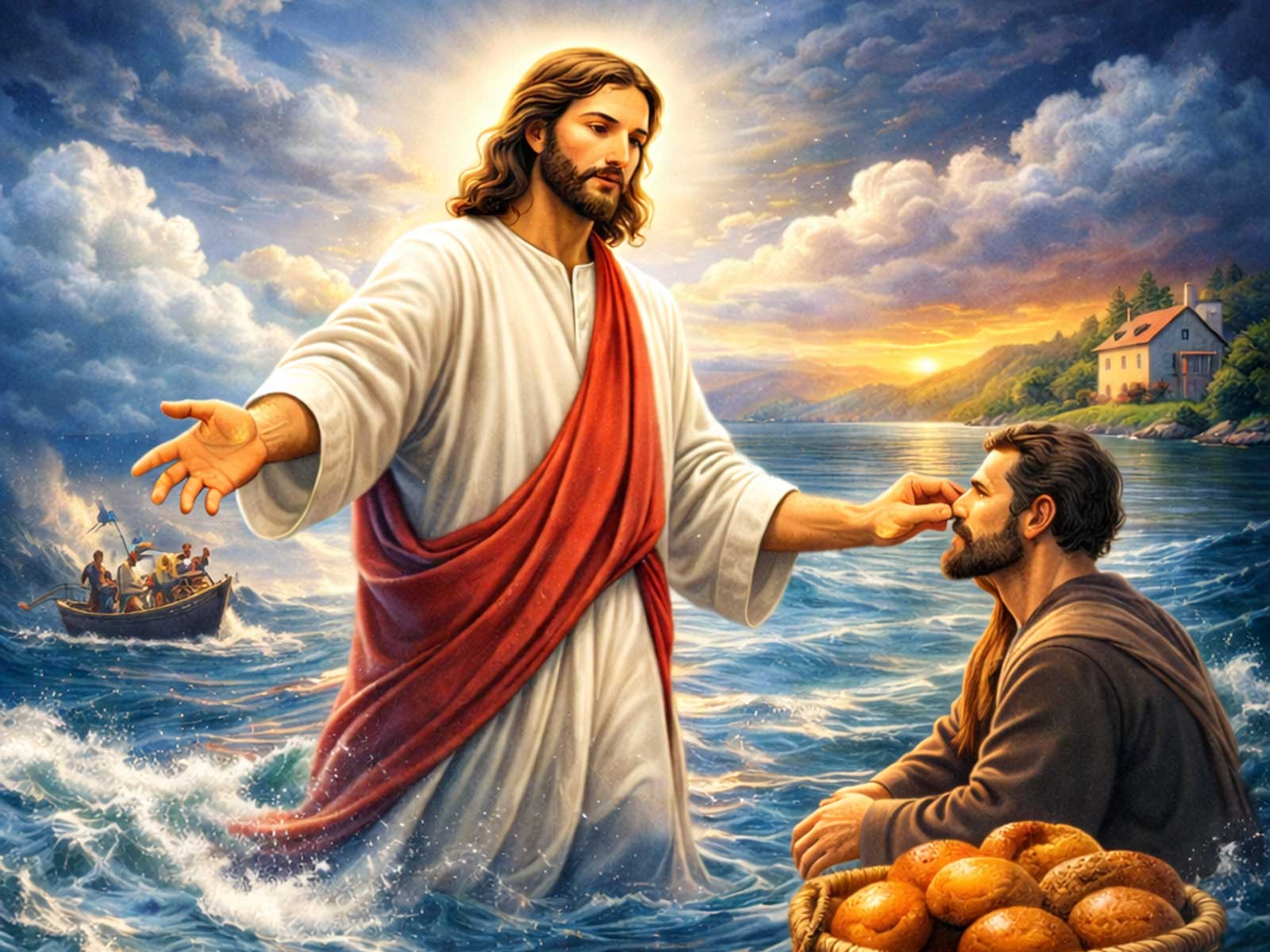
Filming the Calming of the Storm: How Christian Drama Turns Human Anxiety into…
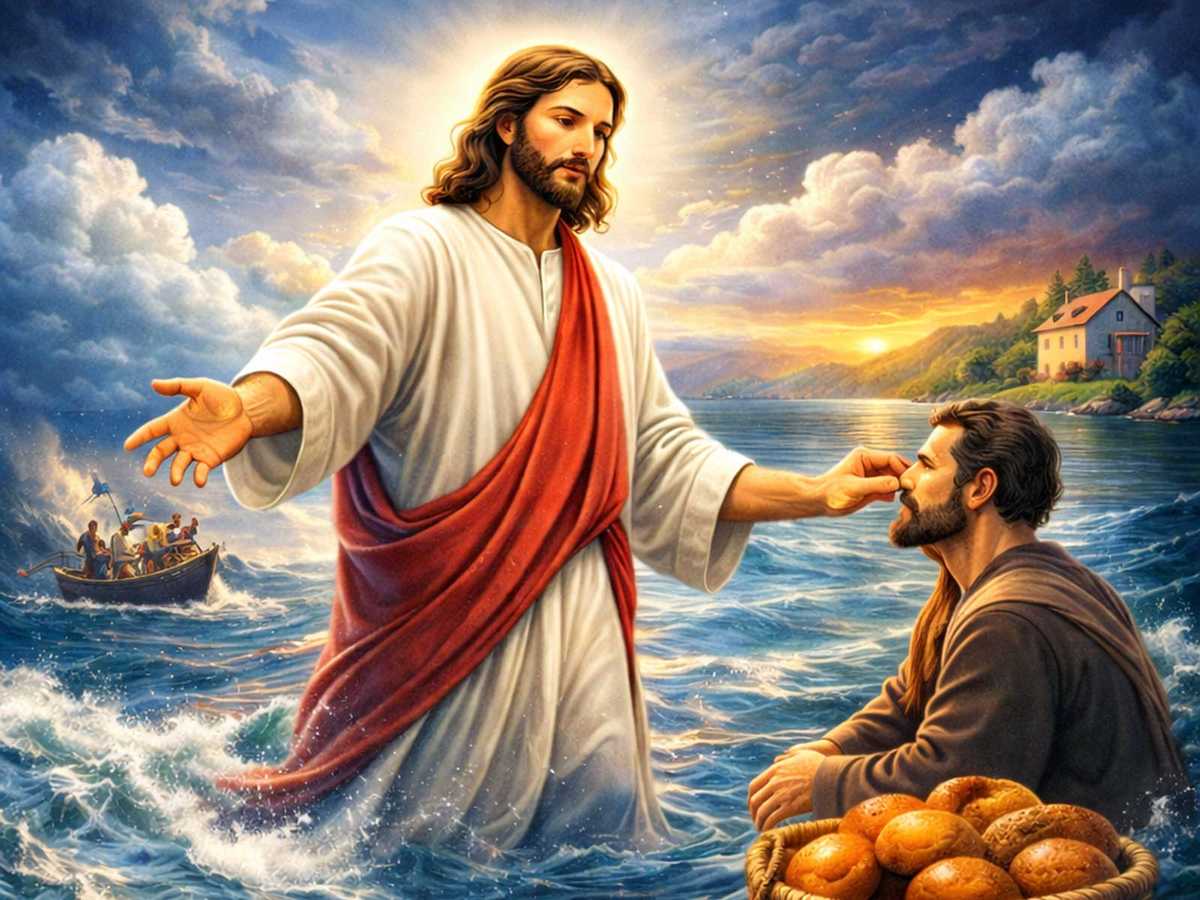
The episode of Jesus calming the storm—recorded in Matthew 8:23–27, Mark 4:35–41, and Luke 8:22–25—offers filmmakers a compact, theologically rich set piece. When a Christian drama stages this scene as an arc from human panic to divine command, it can translate scriptural meaning into cinematic power: the disciples’ fear becomes a counterpoint to Jesus’ authority over nature and a prompt for questions about faith.
A scene grounded in the Synoptic Gospels can dramatize human anxiety before becoming a theological demonstration of Christ’s lordship.
- Why the storm scene matters in Scripture and film
- How anxiety and authority form a cinematic arc
- Practical choices directors make to honor theological meaning
What this episode is and why filmmakers use it
The calming of the storm is a recorded miracle in the Synoptic Gospels: Matthew 8:23–27, Mark 4:35–41, and Luke 8:22–25. The narrative consistently frames the event as both a display of Jesus’ power over nature and a teaching moment for the disciples. For filmmakers working within Christian drama movies, the episode is compact, dramatic, and theologically freighted—an opportunity to dramatize fear, surprise, and a shift in understanding about who Jesus is.
Narrative focus: anxiety, then authority
Commentaries and theological treatments emphasize two complementary functions of the pericope: first, it records the disciples’ fear and confusion; second, it shows Jesus’ sovereign authority and provokes awe or questioning of faith. On screen, emphasizing this arc—intensifying human anxiety before cutting to the calm—helps viewers feel the contrast the Gospels intend. The moment is not merely a spectacle of power; it is a moral and spiritual turning point for the characters who witness it.
Directorial choices and cinematic language
Scholarly work treats the storm passage as narratively and theologically significant, which supports careful directorial choices. Directors can use sound design, framing, and pacing to prolong the disciples’ vulnerability: close-ups on hands, ragged breathing, and the boat’s tilt make the audience inhabit anxiety. Then, when Jesus speaks and the waters still, a change in mise-en-scène—simpler sound, widened frame, and steady camera—can communicate authority without spectacle that overshadows the scriptural meaning.
Cast portrayal and performance implications
Portraying the disciples’ interior fear requires restraint as much as intensity. Because the Gospels emphasize the disciples’ reaction—fear, awe, and a questioning of faith—actors must balance panic with the dawning realization that they stand before someone who commands nature. Major cinematic portrayals of Jesus have historically included versions of this scene, showing how performance choices shape its reception: the miracle’s impact depends on believable human response as much as on the supernatural event itself.
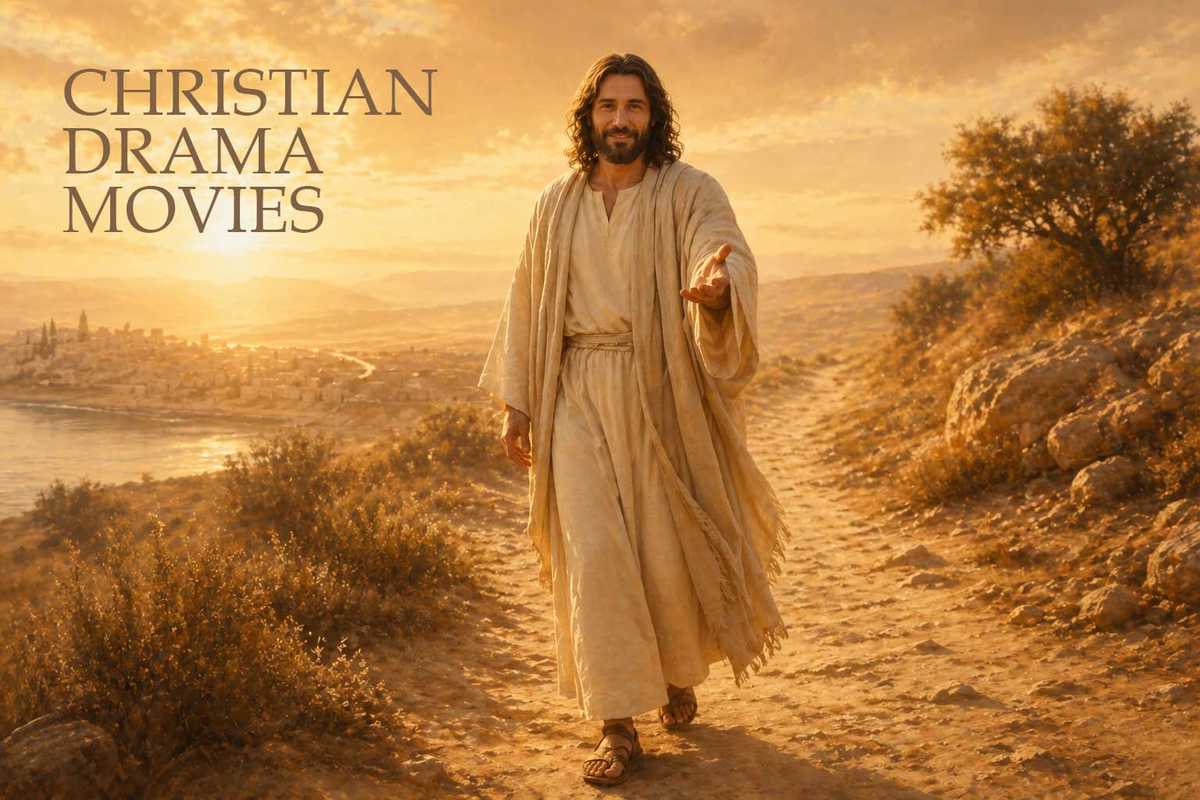
Production context and place in Jesus cinema
Major cinematic portrayals of Jesus frequently include or dramatize miracles such as the calming of the storm. Films and miniseries in the Jesus-cinema tradition have treated the scene as a structural beat that highlights Jesus’ identity. Because scholars and commentators locate the pericope at an important narrative juncture—especially in Mark—filmmakers often use it to mark a turning point in the story arc rather than as an isolated miracle sequence.
Theological sensitivities and interpretive choices
Biblical and theological commentaries consistently interpret the stilling of the storm as demonstrating Jesus’ authority over nature and as a lesson for the disciples that elicits fear and a questioning of faith. Filmmakers must therefore avoid turning the moment into mere stunt-work or special-effects showmanship. The scene works best when it honors both the text’s didactic purpose and its human drama—showing that the miracle provokes reflection, not just admiration.
What Christian viewers may look for
Contemporary pastors and Christian writers commonly use the storm episode as a pastoral motif about human anxiety, trust, and Christ’s sovereignty. When a Christian drama treats the scene honestly—foregrounding the disciples’ fear, Jesus’ composed authority, and the resulting theological question—it gives Christian viewers material for reflection and preaching. The cinematic representation can thus serve both devotional and interpretive ends without lapsing into simplistic reassurance.
Why this moment still matters in faith and film culture
Scholarly attention to the passage underlines its narrative and theological importance, and its repeated cinematic presence confirms its resonance. The storm episode condenses core Gospel themes—human vulnerability, divine sovereignty, and the call to faith—into a single sequence. For Christian drama movies, that concentration of meaning makes it an essential scene for bridging dramatic tension and spiritual significance.
Closing perspective
When filmmakers working in the genre of Christian drama movies treat the calming of the storm as an arc from palpable human anxiety to an understated demonstration of Christ’s authority, they can recreate the theological thrust of the Synoptic accounts. Done with scriptural sensitivity and disciplined craft, the scene becomes more than a miracle on-screen: it becomes a cinematic invitation to wrestle with fear, encounter authority, and reconsider faith.