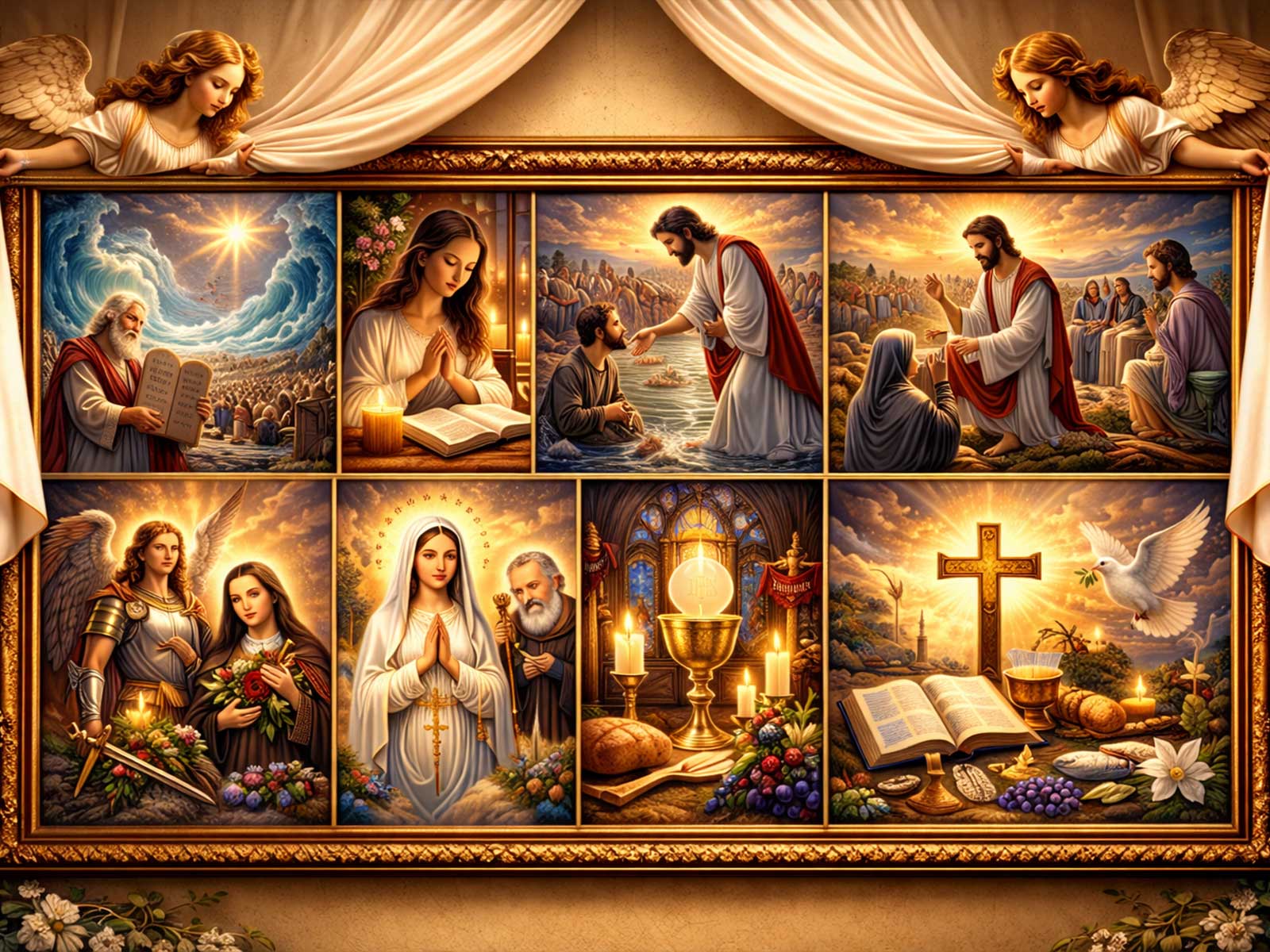
The Annunciation, long a persistent subject in Christian art, holds particular strength when translated into religious wall art intended for the domestic setting. From early Christianity and through later centuries, artists have used this scene to visualise the mystery of the Incarnation; when an Annunciation is brought into the home, it becomes a quiet point of recollection rather than a public spectacle.
One reason the theme endures in a household context is the tradition of placing the scene within recognisable domestic interiors. Especially from the Late Middle Ages and in Early Netherlandish painting, painters deliberately set the encounter in rooms that echo the viewer's living space and filled them with ordinary objects—lilies, a dove, a simple bench or domestic furnishings—that serve as visual symbols. This blending of everyday detail with symbolic elements invites a viewer at arm's length to read theological meaning through familiar forms.
Small-scale panels and triptychs historically made for private devotion model how an image can shape domestic spiritual practice. Designed for slow, meditative looking, these works use meticulous domestic realism to function as a visual intermediary for prayer and interior formation. In the home, a heritage-styled Annunciation can similarly encourage prolonged attention and memory traces: the picture becomes a steady prompt for recollection rather than a transient ornament.
Central to the image's power is the careful tension between believable human space and the incursion of the sacred. Artists have long employed compositional devices—rays of light, the dove, directional gesture, and the placement of symbolic objects—to allow the divine mystery of the Incarnation to appear within an ordinary room. This visual grammar invites a viewer to accept both the humanness of the scene and the presence of transcendence without collapsing either into the other.
Later artists continued to explore this intersection of the everyday and the divine, using humble interiors and subtle visual devices to maintain balance between realism and mystery. These choices suggest how a contemporary heritage-inspired print or canvas can feel rooted: not merely vintage in palette or texture, but shaped by a tradition that makes sacred events intelligible within home life.
For a Christian household seeking continuity of memory and unobtrusive spiritual witness, an Annunciation image that references this tradition offers a particular use. Placed where family life moves slowly—near a prayer corner, in a study, or along a hallway—the image can steady attention and become part of the household's pattern of recollection, much as small domestic panels once supported late-medieval devotional practice.
Seen in this light, the desirability of such religious wall art rests on more than aesthetic preference. It rests on a lineage of visual language that intentionally marries domestic detail and sacred sign, inviting residents to live with an image that quietly reinforces faith over time. The conservatively composed, softly rendered scenes and restrained symbolic cues typical of this tradition allow the artwork to offer a peaceful presence that encourages meditative looking and spiritual continuity within the home.



 ↧ Digital download
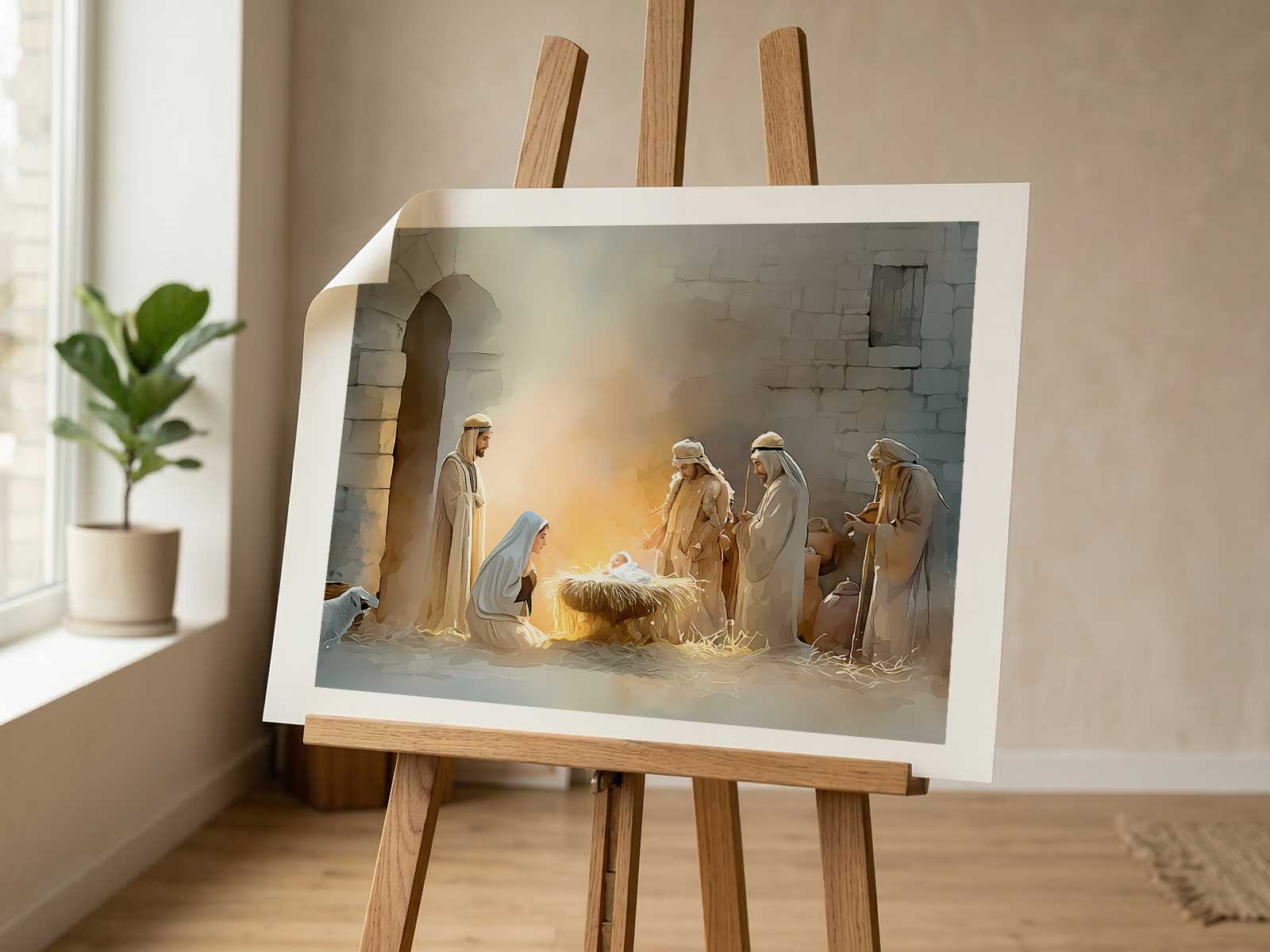
Jesus Wall Art – 33 Printable Christian Posters, Biblical Art...
Digital download
↧ Digital download
Jesus Wall Art – 33 Printable Christian Posters, Biblical Art...
Digital download
 ↧ Digital download
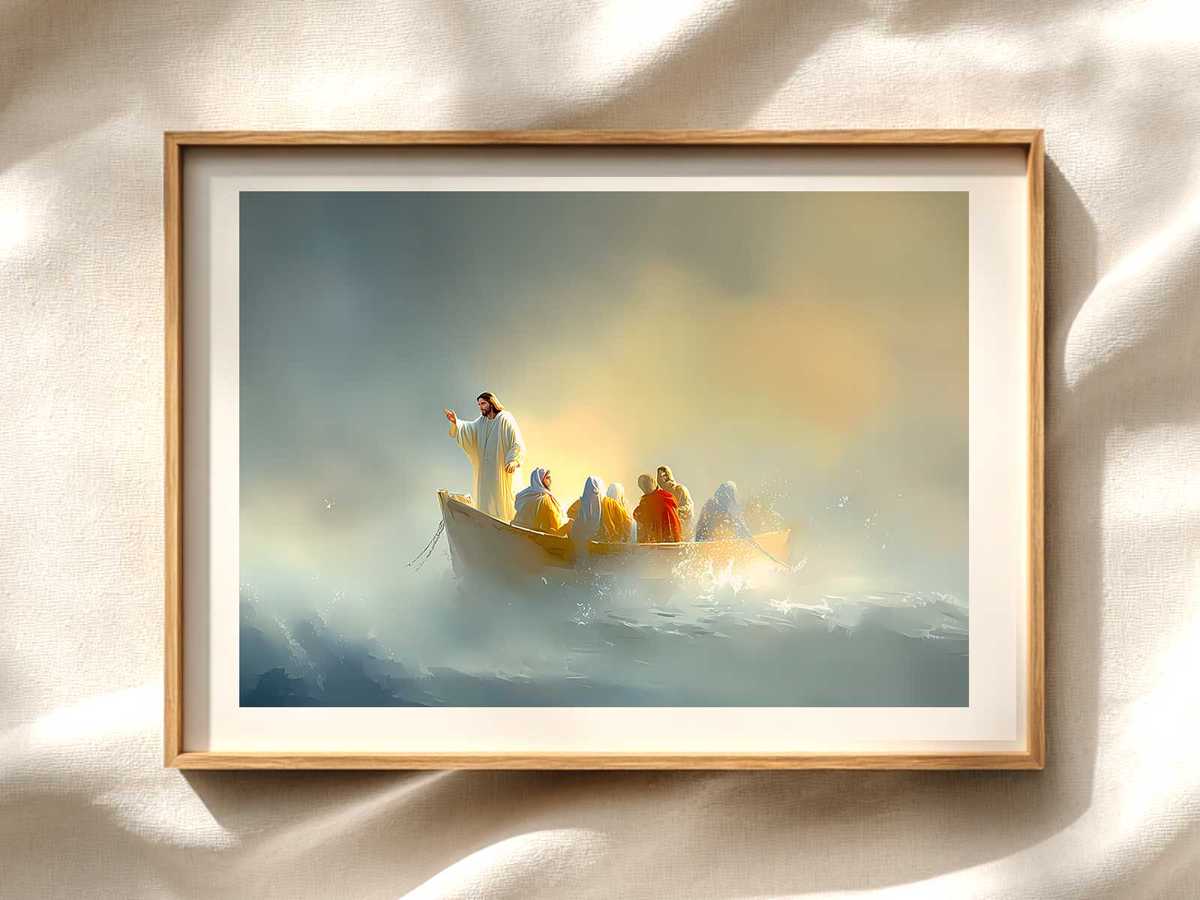
Jesus Art: The Stilled Storm — A Quiet Icon of Christ’s Gentle...
Digital download
↧ Digital download
Jesus Art: The Stilled Storm — A Quiet Icon of Christ’s Gentle...
Digital download
 ↧ Digital download
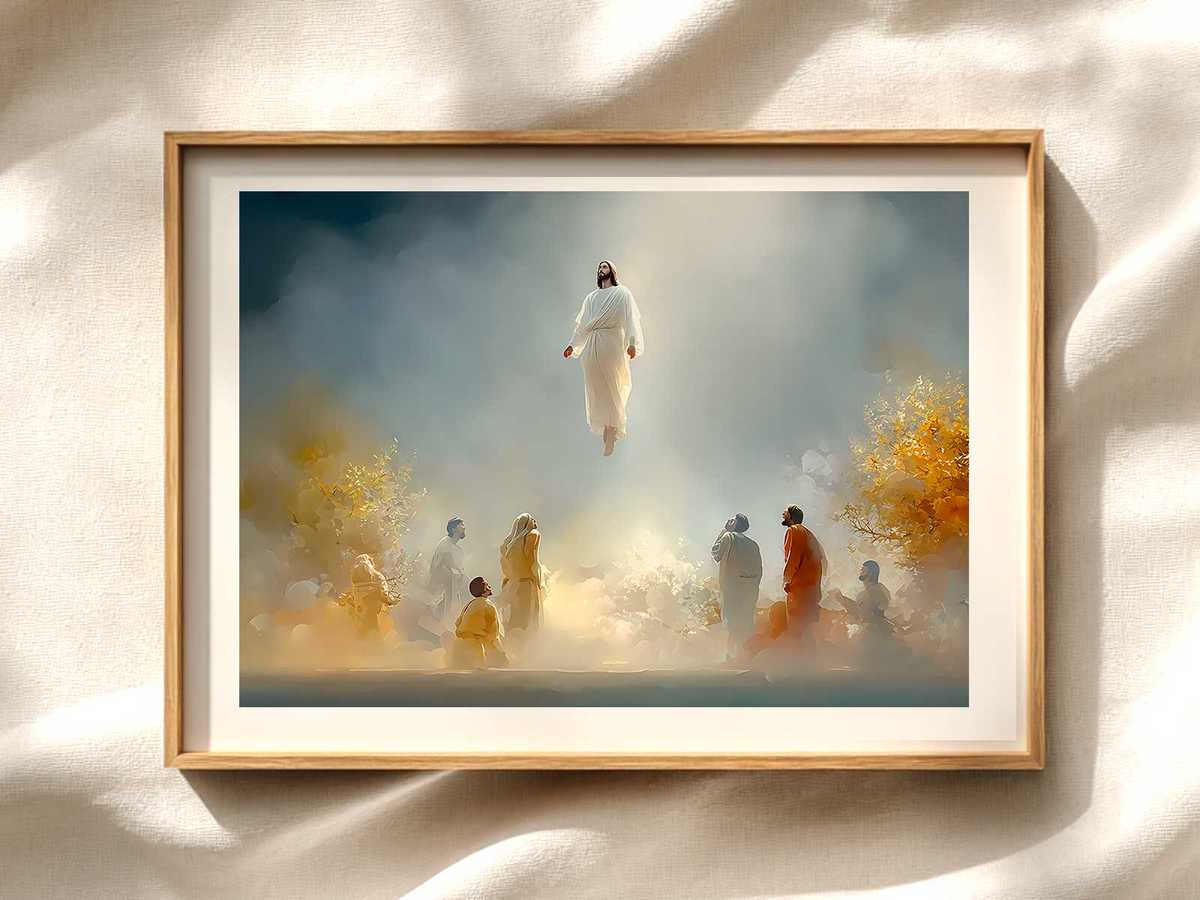
Ascension as a Sign of Light, Hope and Sending — A Famous Christ...
Digital download
↧ Digital download
Ascension as a Sign of Light, Hope and Sending — A Famous Christ...
Digital download
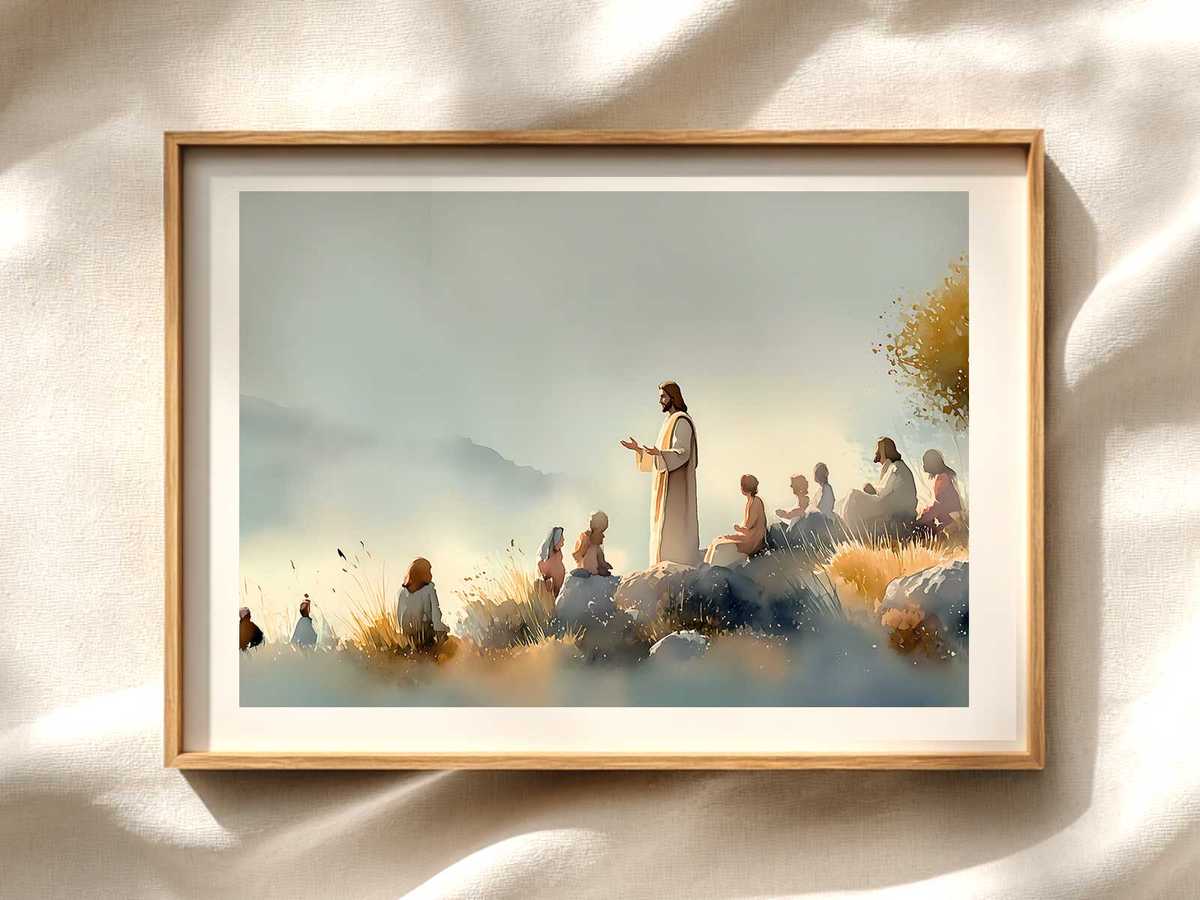 ↧ Digital download
Why the Sermon on the Mount Makes Gentle, Daily Wall Art
Digital download
↧ Digital download
Why the Sermon on the Mount Makes Gentle, Daily Wall Art
Digital download